Romania strengthens its position in the Vertical Corridor gas route
The Vertical Corridor is moving from infrastructure development toward operation as a regional gas route linking Greece with Central and Eastern Europe. Romania could combine transit infrastructure with future Black Sea production, but commercial viability will depend on capacity, tariffs and investment.
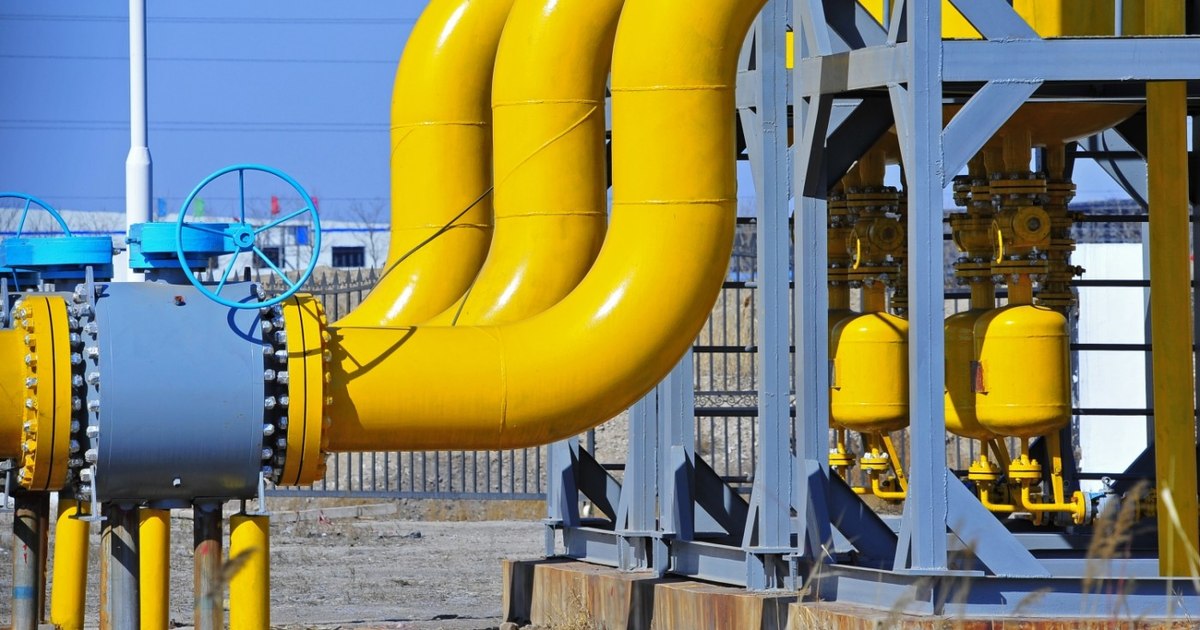
Vertical Corridor enters an operational phase
The Vertical Corridor is moving beyond planning and physical interconnections toward operation as a regional energy route, according to Adevărul. Gas transmission system operators meeting recently in Athens agreed to establish a working group that will examine available capacity at interconnection points, investment requirements, transportation costs and measures to make the route commercially more attractive.
The participating operators represent Greece, Bulgaria, Romania, the Republic of Moldova, Hungary, Slovakia and Ukraine. Representatives from Serbia and North Macedonia attended for the first time, indicating that the initiative is expanding toward the Western Balkans. The broader network is intended to provide Southeast and Central European markets with additional supply options as the region reorganizes gas procurement following the reduction in Russian imports.
Romania links southern supply with northern markets
Romania occupies a central position because its national transmission system can connect gas entering through Greek liquefied natural gas terminals with markets farther north, including the Republic of Moldova and Ukraine. Transgaz infrastructure and projects such as BRUA were developed to improve connections between Romania and European markets and could carry volumes toward countries participating in the Vertical Corridor.
Romania's role could extend beyond transit. The country has the prospect of additional domestic production from the Black Sea, particularly the Neptun Deep project. Once offshore production begins, the resulting volumes could serve both Romania's domestic market and regional buyers. The combination of Black Sea gas, Transgaz's network and additional cross-border connections could therefore give Romania a medium-term advantage over corridor members that depend entirely on imported or transit volumes.
Tariffs and capacity will determine commercial flows
The next stage is not exclusively technical. A corridor crossing several jurisdictions must offer available capacity, competitive tariffs and compatible trading rules. Accumulated transportation charges can make delivered gas uncompetitive even when the pipelines and interconnectors already exist. The Athens working group will consequently assess investment needs and costs alongside the physical ability of the system to move gas.
For traders and suppliers, the decisive issue will be whether the route can attract enough volumes and market participants to support regular flows. For the Republic of Moldova and Ukraine, access to alternative supply sources could reduce energy vulnerability. Romania could gain transit revenue, liquidity and greater regional market influence while also creating outlets for future offshore production. Energy Minister Bogdan Ivan said in the spring that analyses indicated potential additional annual profit of up to €250 million for Romanian companies through higher transit and market liquidity. That estimate remains dependent on the technical work, clear timelines, competitive transportation economics and the availability of gas to fill the corridor.