Romanian Meat and Dairy Processors Warn Sheep Vaccination Could Freeze EU Exports for Years
Romanian abattoir owners and dairy processors are opposing a planned mandatory collective vaccination of sheep against PPR, warning it would extend the EU's existing ban on live animal exports to meat and milk. Processors say vaccinated-animal milk could not be sold in the EU, forcing imports of raw milk, while abattoirs could face up to three years of restrictions on raw meat exports to a market that takes over 90% of Romania's output.
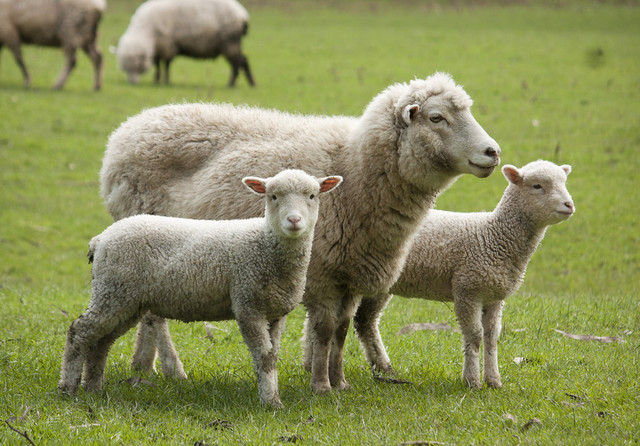
Romanian abattoir owners and dairy processing plants are warning that a planned mandatory collective vaccination of sheep against peste des petits ruminants (PPR) would extend existing European Union trade restrictions from live animals to meat and milk, according to news.ro and profit.ro.
PPR outbreaks trigger EU export ban
Romania's sheep sector is being hit by outbreaks of PPR, which have already led the European Union to ban exports of live animals from the country, according to news.ro and profit.ro. In response, authorities are moving toward a mandatory collective vaccination campaign covering sheep flocks. Abattoir owners and dairy processing plants are categorically opposed to the plan, market players told the two outlets.
Dairy processors: vaccinated milk cannot move within the EU
The milk processing industry warns that dairy collected from vaccinated animals will not be usable within European Union territory. If collective vaccination proceeds, processors say they will have to turn to imports to secure raw material for production, replacing milk from Romanian flocks that would otherwise be excluded from the market. That shift would add a new import bill for an industry currently sourcing its raw milk domestically.
Abattoirs: up to three years of meat export restrictions
For Romanian abattoirs, the stakes are even higher. Market players say collective vaccination would trigger up to three years of total restrictions on exports of non-heat-treated meat to the European Union. The timeframe is critical for the industry because more than 90% of the sales market for Romanian meat is within EU member states, according to industry players cited by news.ro and profit.ro. A three-year exclusion from that market would leave processors with few alternative outlets for raw meat output.
For buyers across the EU, an extended restriction on Romanian raw meat would tighten supply from one of the bloc's sheep meat producers and could push importers to source more from other member states or from outside the EU. For Romanian processors, the same restriction would mean redirecting output toward processed or heat-treated products, or seeking markets outside the EU where demand and price levels differ from their traditional buyers.
What the industry is asking for
Abattoir owners and dairy processors are pushing back jointly against the collective vaccination plan, arguing that containing PPR should not come at the cost of cutting off the export channels the sector depends on. Both groups frame the choice as one between animal-disease control measures and preserving access to the EU market that currently absorbs the bulk of Romania's sheep meat and dairy output.
- The EU has already banned exports of live animals from Romania because of PPR outbreaks.
- A mandatory collective sheep vaccination campaign is being considered as a further response to the outbreaks.
- Dairy processors say milk from vaccinated animals cannot be sold within the EU, requiring imports of raw milk.
- Abattoirs could face up to three years of restrictions on exports of non-heat-treated meat to the EU.
- More than 90% of Romania's meat sales market is within EU member states.