Romanian sheep farmers threaten Bucharest protest as plague blocks livestock exports
Romanian sheep farmers are threatening renewed protests after peste des petits ruminants affected 232,283 animals and stopped live-sheep exports. Producers are demanding compensation, faster subsidy payments, reopened markets and the dismissal of veterinary authority chief Alexandru Bociu.
Disease losses drive renewed protests
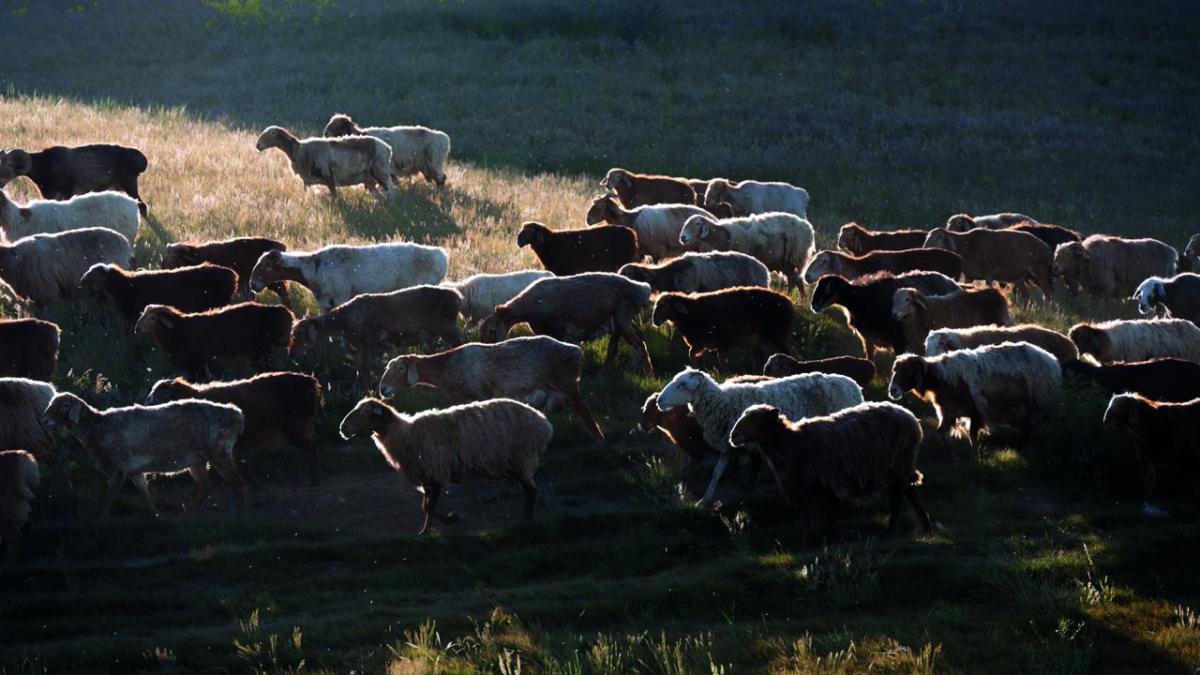
Romanian sheep farmers are threatening to block roads and return to Bucharest as peste des petits ruminants spreads through one of the European Union’s largest sheep industries. The National Federation of Sheep Breeders, ROMOVIS, said protesters could bring animals, farm machinery, milk tankers and manure to the capital unless the government takes concrete action.
The federation renewed demands first presented during a protest on July 30, 2026. In an open letter to Prime Minister Ilie Bolojan and interim Agriculture Minister Tánczos Barna, it called for an urgent national plan to control and eradicate the disease, restore normal animal movements and communicate epidemiological developments transparently.
Data from the National Sanitary Veterinary and Food Safety Authority, ANSVSA, cited by Jurnalul, showed 56 outbreaks and 232,283 affected animals at the end of the previous week. The total included animals already slaughtered or awaiting culling. Tulcea County was the center of the crisis, with 48 outbreaks across 10 localities and 212,813 affected animals.
Export markets remain closed
The European Commission banned Romanian live-sheep exports in June after an outbreak was detected in Mureș County. Further outbreaks appeared in July and August. ROMOVIS is asking the government to pursue the removal of restrictions, reopen trade within the EU and with third countries, address administrative obstacles and regularly inform producer organizations about progress.
The disruption is commercially significant. Romania had more than 10 million sheep in 2025, making it the EU’s second-largest producer after Spain and its largest exporter of live sheep, according to Jurnalul. Eurostat data cited by the publication showed that sheep exports generated €120 million in the first four months of the year. Full-year exports had previously been forecast to grow by 40%.
Peste des petits ruminants is a highly contagious viral disease affecting domestic and wild small ruminants, principally sheep and goats. Jurnalul reported a mortality rate of 70%. Besides Tulcea, authorities recorded six outbreaks affecting 6,381 animals in Constanța, one commercial-farm outbreak affecting 12,500 animals in Timiș and one outbreak affecting 589 animals at a sheepfold in Ialomița.
Farmers seek compensation and leadership change
ROMOVIS said restricted market access, lower lamb prices, drought and rising production costs were undermining farmers’ ability to maintain their flocks. Producers unable to sell lambs at the optimal time continue paying for feed, water, labor, care and animal welfare, increasing losses beyond the difference between expected and realized sale prices.
The federation wants legal support or compensation mechanisms for affected farms, along with faster processing and payment of subsidies. It also demanded the immediate dismissal of ANSVSA president Alexandru Bociu and any other officials found responsible for deficient management of the outbreak. With export resumption postponed indefinitely, the dispute now combines an animal-health emergency with mounting liquidity pressure across Romania’s sheep sector.