Romania sets out measures for sheep farmers after violent Bucharest protest; exports await EU approval
After a shepherds' protest in Bucharest's Piața Victoriei turned violent on 15 September, the Romanian government published a package of measures for sheep and goat farmers. Exports of live sheep and goats can only resume once the European Commission approves an action plan submitted by veterinary authority ANSVSA, while drought and feed-cost compensation still lack funding and parliamentary approval.
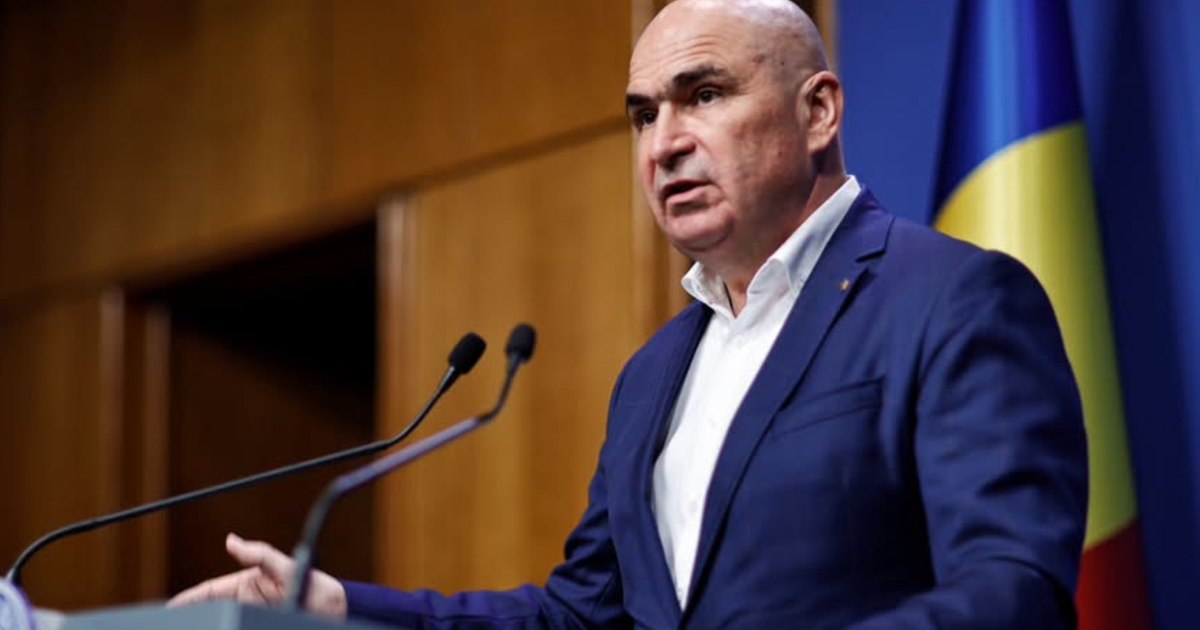
Romania's government has outlined a set of measures for sheep and goat farmers after a protest in Bucharest's Piața Victoriei on Tuesday, 15 September, degenerated into clashes with riot police. Prime Minister Ilie Bolojan took note of the demands filed at the government by the Professional Association of Shepherds (Asociația Profesională a Ciobanilor – APC) and discussed the responses with Deputy Prime Minister Tánczos Barna, interim minister of agriculture and rural development, according to a statement issued by Palatul Victoria and reported by B1 TV.
Export restart depends on Brussels
The most consequential item for the sector is the suspension of live animal exports. The National Sanitary Veterinary and Food Safety Authority (ANSVSA) has submitted an action plan to the European Commission to unblock exports of sheep and goats, Adevărul reported, citing the government's communiqué. Exports will be able to resume only after the Commission approves that plan, Monitorul de Cluj noted in its coverage of the prime minister's response.
The export freeze follows animal disease restrictions. On peste des petits ruminants and sheep and goat pox, the government said culling was applied “exceptionally and only in situations where no other viable alternative solutions existed”, and that authorities will proceed the same way in future depending on the veterinary situation, according to Sibiu 100%, which cited Mediafax. ANSVSA's activity is coordinated by Tánczos Barna in his role as deputy prime minister and interim agriculture minister.
Compensation drafted, financing unresolved
Two financial measures central to the shepherds' demands remain incomplete. The Ministry of Agriculture and Rural Development said it supports the farmers' claim for compensation for drought damage on pastures and has drawn up a proposal, but warned that the measure carries a significant budgetary impact and requires identifying the necessary financial resources.
A second draft law, prepared together with representative sheep breeders' associations, would compensate additional feeding costs. “In the current context, in the absence of a government with full powers, the draft must be adopted by Parliament,” the executive said. The government also stated that a significant part of veterinary actions is already financed from the state budget, and that any extension of these would require supplementary budget resources and a prior financial and budgetary impact analysis.
Pasture leasing and transport traceability
The communiqué listed further commitments covering land access, enforcement and consultation:
- Pasture leasing is carried out by local administrative units; the agriculture ministry has launched a thematic control following petitions from farmers, in order to identify leasing procedures in which the legal provisions in force were not observed.
- The ministry has started work on an IT system for real-time traceability of animal transports, to be developed by ANSVSA, aimed at combating illegal animal shipments.
- Six meetings have been held since 9 July 2026 between representatives of sheep breeders, ANSVSA and the ministry, at the government, at the two institutions' headquarters and with local authorities in Brașov and Sibiu.
Government disputes the protest's representativeness
The executive said no representative association of farmers from the sheep breeding sector took part in Tuesday's protest. “The Romanian government respects the legal right to peaceful protest of all citizens, but the protest in Piața Victoriei exceeded this framework and degenerated into regrettable acts of violence,” the communiqué said, appealing for calm and an end to the violence.
Gendarmes used tear gas after some participants — who according to the authorities are not part of the agricultural sector — threw stones and items of street furniture and tried to force entry into the government headquarters, Adevărul reported. The incidents blocked traffic on several major arteries in the capital, fines worth 11,000 lei were issued and several people were taken to police stations. Several demonstrators required medical care. Sibiu 100% reported that the shepherds' protest continued in Piața Victoriei and that a delegation of protesters was invited to Cotroceni.