Romania to restart three coal-fired units as nuclear outage tests power supply
Complexul Energetic Oltenia will return three coal-fired generating units to service to support Romania during periods of high electricity demand. Their combined capacity is comparable to Cernavodă’s approximately 700 MW Unit 2, which is scheduled to undergo refurbishment.
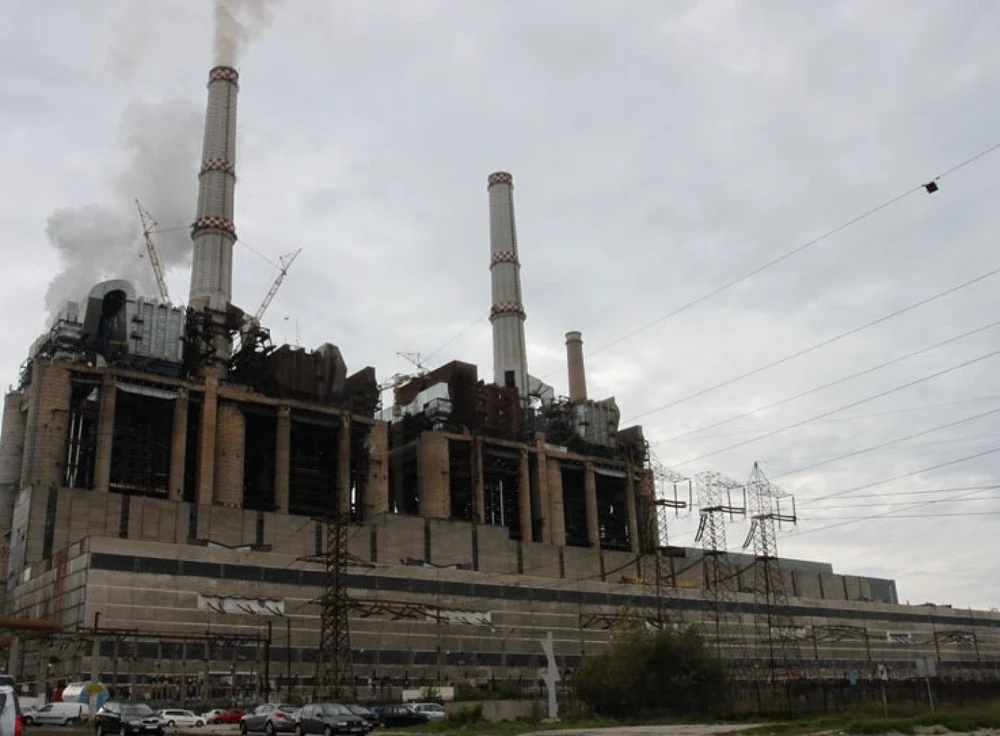
Three units return as reserve capacity
Romania is preparing to restart three coal-fired generating units operated by Complexul Energetic Oltenia as rising pressure on the national power system increases the need for dispatchable capacity. The units are Rovinari Power Station’s Units 5 and 6 and Turceni Power Station’s Unit 5.
Ziuanews.ro reports that the plants will help cover electricity consumption during high-demand periods, particularly in the evening and when unfavorable weather reduces wind and solar generation. The decision comes amid volatile energy markets and elevated electricity prices, although the publication did not provide a restart timetable, individual unit capacities or projected generation volumes.
Complexul Energetic Oltenia remains one of Romania’s major electricity producers and plays an important balancing role when renewable output falls. Returning the three units gives the system operator additional controllable generation rather than relying exclusively on weather-dependent supply or electricity imports during tight periods.
Cernavodă outage creates a capacity gap
The immediate supply concern is the planned shutdown of Unit 2 at the Cernavodă Nuclear Power Plant for refurbishment. The reactor has installed capacity of approximately 700 MW, and its temporary absence will reduce Romania’s domestic generating capability. According to Ziuanews.ro, the two Rovinari units and Turceni Unit 5 together have capacity comparable to that reactor, making them a reserve option for maintaining balance in the national electricity system.
The comparison does not mean coal generation will replace nuclear output on an identical operating basis. It does, however, show the scale of capacity that authorities want available while the reactor is offline. For power producers and large consumers, the restart could reduce the risk of supply shortages during evening peaks or weak renewable production. It may also limit Romania’s need to increase imports when domestic margins tighten, though the source gives no forecast for cross-border flows or power prices.
Coal timetable faces renewed scrutiny
The move comes as Romania works toward a phased coal exit under its National Recovery and Resilience Plan and other European commitments. Politicians and industry representatives have argued that some closure deadlines should be renegotiated with Brussels until new gas plants, nuclear reactors, renewable projects and energy-storage capacity enter operation. The European Commission, by contrast, has pressed Romania to honor commitments linked to carbon-emissions targets and access to European funding.
The restart therefore highlights a timing problem rather than a reversal of Romania’s stated decarbonization direction. Coal units remain available because replacement capacity and storage are not yet sufficient for every high-demand or low-renewable period. Separately, a bill on decarbonizing heating and cooling was adopted on August 5. It includes requirements for sustainable forest biomass and individual heating and hot-water meters in centrally supplied apartment buildings by the end of 2030. Together, the measures show Romania pursuing emissions reductions while retaining conventional generation as insurance against near-term power shortages.