Romania restarts coal units after drought shuts both Cernavodă reactors
Romania restarted coal-fired units at Rovinari and Paroșeni after exceptionally low Danube levels left both Cernavodă nuclear reactors unavailable. The government declared an energy alert for August as gas, renewable generation and demand reductions were mobilized to cover the shortfall.
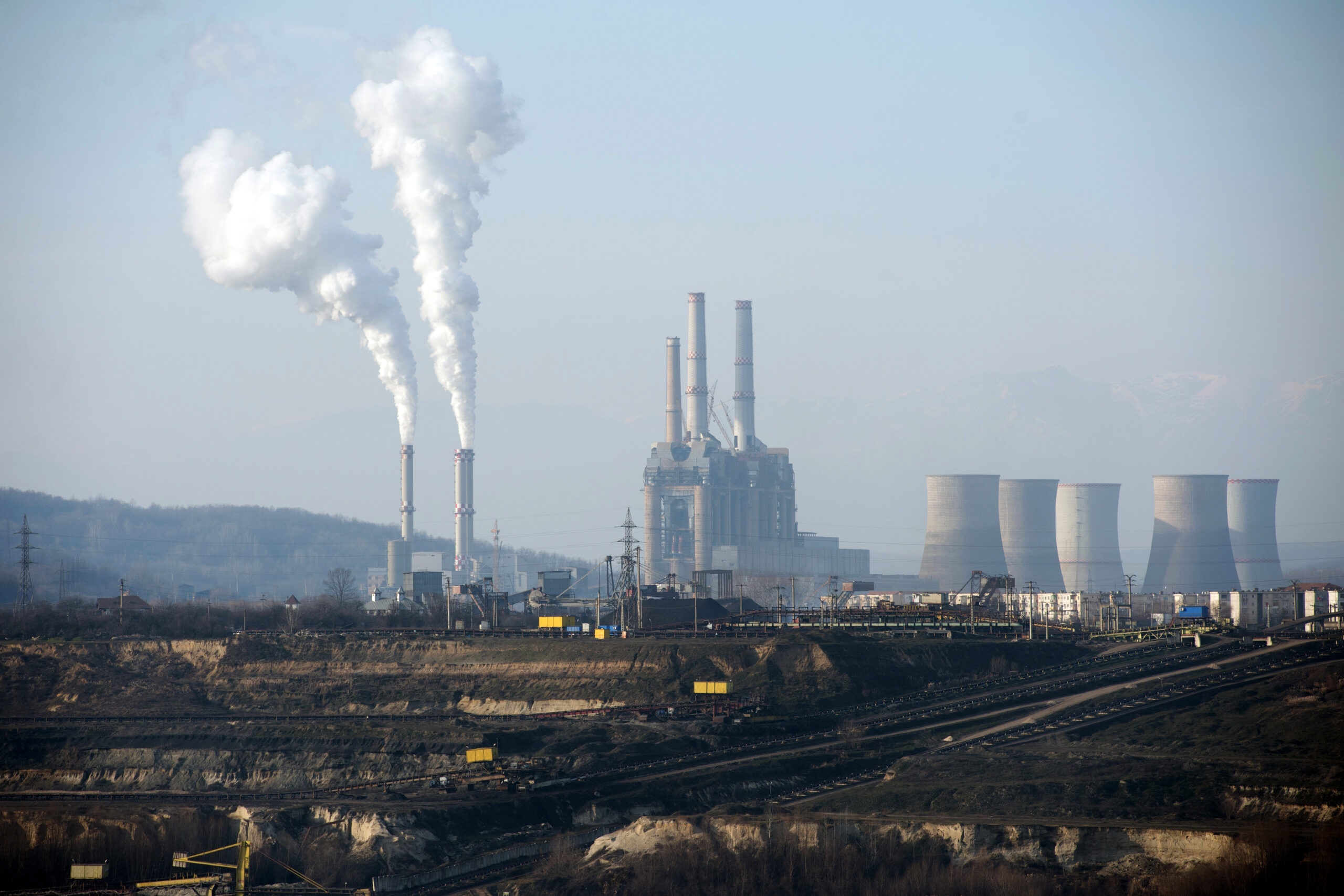
Coal units return as nuclear capacity disappears
Romania has temporarily restarted coal-fired generating capacity after severe drought and exceptionally low water levels on the Danube forced both reactors at the Cernavodă nuclear power plant offline. The loss removed a combined 1,412 MW of installed capacity from the electricity system and left the country seeking replacement generation during August.
CEENERGYNEWS reported that two coal units were returned to service to compensate for part of the lost capacity. Unit 4 at the lignite-fired Rovinari power station restarted on 17 August after having been taken out of operation, adding approximately 300 MW. A reserve unit at the Paroșeni coal-fired power station was also reactivated, although the source did not specify its available capacity.
The intervention followed the shutdown of Cernavodă’s two operating reactors. Reuters reported on 13 August that state-controlled producer Nuclearelectrica had begun shutting the second reactor after the first was taken offline at the end of July. Each reactor has installed capacity of 706 MW.
Drought narrows Romania’s supply options
The government declared an energy alert for August as the authorities called on other power plants to address the production deficit. According to Reuters, Romania was also seeking to increase wind and hydroelectric generation and temporarily reduce electricity consumption during peak periods. The scope for additional hydropower, however, was constrained by the same drought affecting river conditions.
Gas-fired electricity production remained at a high level, CEENERGYNEWS reported, while favorable weather supported photovoltaic output. These sources can help stabilize the system, but the simultaneous loss of both nuclear units created a large immediate gap. Cernavodă normally provides dependable generation that is less variable than wind and solar power.
The restart therefore highlights the operational value of dispatchable reserve plants when several supply constraints occur at once. For coal and lignite operators, the emergency creates short-term demand for fuel and generation. It does not, based on the available information, represent a permanent reversal of Romania’s plans to replace coal units with gas-fired plants and renewable capacity.
Emergency measures meet coal phaseout debate
The supply crisis comes as Romania is already debating the timetable for phasing out coal. New Eastern Europe described the response as Romania’s “coal reflex” in an analysis of the country’s commitments to decarbonization and its negotiations with Brussels.
The debate intensified after Parliament adopted legislative changes on 5 August. One criticized provision effectively states that a coal- or lignite-fired plant should not close before replacement capacity has been built and commissioned. Supporters of retaining units can point to the August shortage as evidence that firm capacity must be available before older plants leave the system. Critics may view prolonged coal operation as a risk to agreed decarbonization deadlines.
The immediate issue is security of electricity supply rather than a formally announced change in climate policy. Romania is using coal reserves, high gas-fired output, photovoltaic generation and efforts to increase wind and hydro production while managing peak demand. The episode nevertheless exposes the system’s sensitivity to drought: low river levels affected nuclear operations, while dry conditions also limited hydroelectric output. Until replacement capacity and grid flexibility can cover such overlapping disruptions, mothballed or reserve thermal units may continue to serve as emergency insurance.