Romanian patients wait 1,100 days for innovative medicines
Romanian patients wait about 1,100 days to access innovative medicines, compared with a European average of 597 days. Fifty treatments are awaiting inclusion in the reimbursed medicines list, exposing gaps in funding and administrative procedures.
Access takes almost twice as long as in Europe
Patients in Romania wait around 1,100 days to gain access to innovative medicines, almost twice the European average of 597 days, according to data cited by Digi24. The figures cover innovative medicines approved between 2021 and 2024 and show how regulatory approval does not automatically translate into treatment availability. Some therapies have already been authorized by Romania’s National Agency for Medicines but remain unavailable through the public reimbursement system because funding or implementation procedures have not been completed.
The backlog currently includes 50 innovative treatments awaiting entry onto the reimbursed medicines list, according to the Romanian Association of International Medicine Manufacturers. They cover oncology, cardiovascular and neurological conditions, as well as rare diseases. Romania’s Ministry of Health told Digi24 that steps are being taken to make 33 of these medicines available. However, the ministry confirmed that the necessary formalities, including treatment administration protocols, have not yet been finalized for those therapies.
Approval, reimbursement and funding remain separate hurdles
Romanian legislation establishes deadlines for updating the reimbursement list, but those deadlines are not being observed, Ioana Bianchi, external affairs director at the industry association, told Digi24. The resulting delay creates a market-access bottleneck after authorization: pharmaceutical companies may have an approved product, while doctors and patients still cannot obtain it through the funded healthcare system. This uncertainty also complicates launch planning and the transition from temporary access programs to regular national supply.
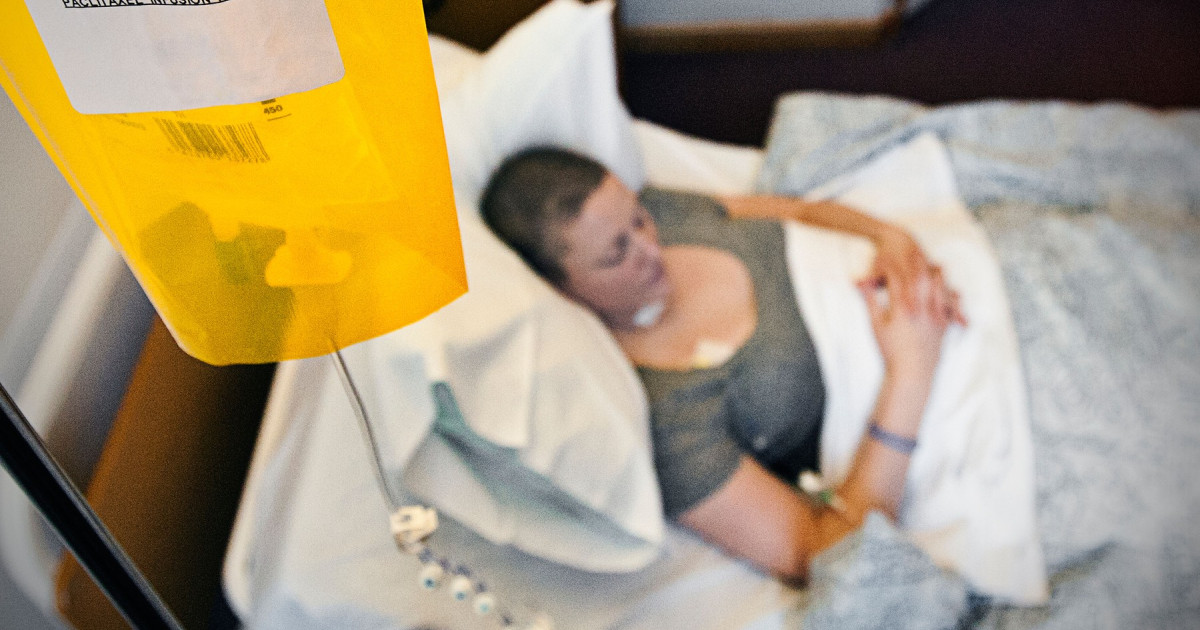
One example involves Camelia Soceanu, a patient living with multiple myeloma, a blood cancer that begins in the bone marrow. Her innovative medicine has received national regulatory approval but has not entered the reimbursement system. She currently receives it through a pharmaceutical company donation program. Such programs can provide temporary access, but their capacity is limited and they do not replace a funded supply mechanism. For oncology patients, treatment interruption can allow the disease to return quickly, while continued access may determine whether patients can maintain ordinary work and daily activities.
Lower medicine spending raises pressure on the system
Romania spends €138 per resident on medicines, compared with about €220 in neighboring countries and an average of €550 per resident in Western Europe, Digi24 reported. These differences help explain the fiscal pressure surrounding reimbursement decisions, although delaying coverage does not eliminate healthcare costs. Patient and industry representatives argue that untreated disease can progress into disability, require more frequent hospitalization and ultimately become more expensive to manage.
Rozalina Lepădatu, president of the Association of Patients with Autoimmune Diseases, warned that delays in reimbursement may lead to worsening illness, disability or death. Bianchi similarly said that costs do not disappear when innovative medicines remain unreimbursed because patients become sicker and require hospital care more frequently. For pharmaceutical producers, the 1,100-day access period means a lengthy gap between approval and a viable reimbursed launch. For patients and healthcare providers, it means that the national supply of authorized therapies can depend on unfinished protocols, constrained public budgets or limited company donations rather than predictable reimbursement.
Full market analysis