Romanian mountain dairy farmers find new milk buyers after Lactalis withdrawal — at a better price
Lactalis closed all of its milk collection centres in the Vatra Dornei and Câmpulung Moldovenesc mountain areas of Romania's Suceava county starting in August. According to Monitorul de Suceava, the feared collapse did not happen: farmers found other buyers and are now paid more than before the French group left.
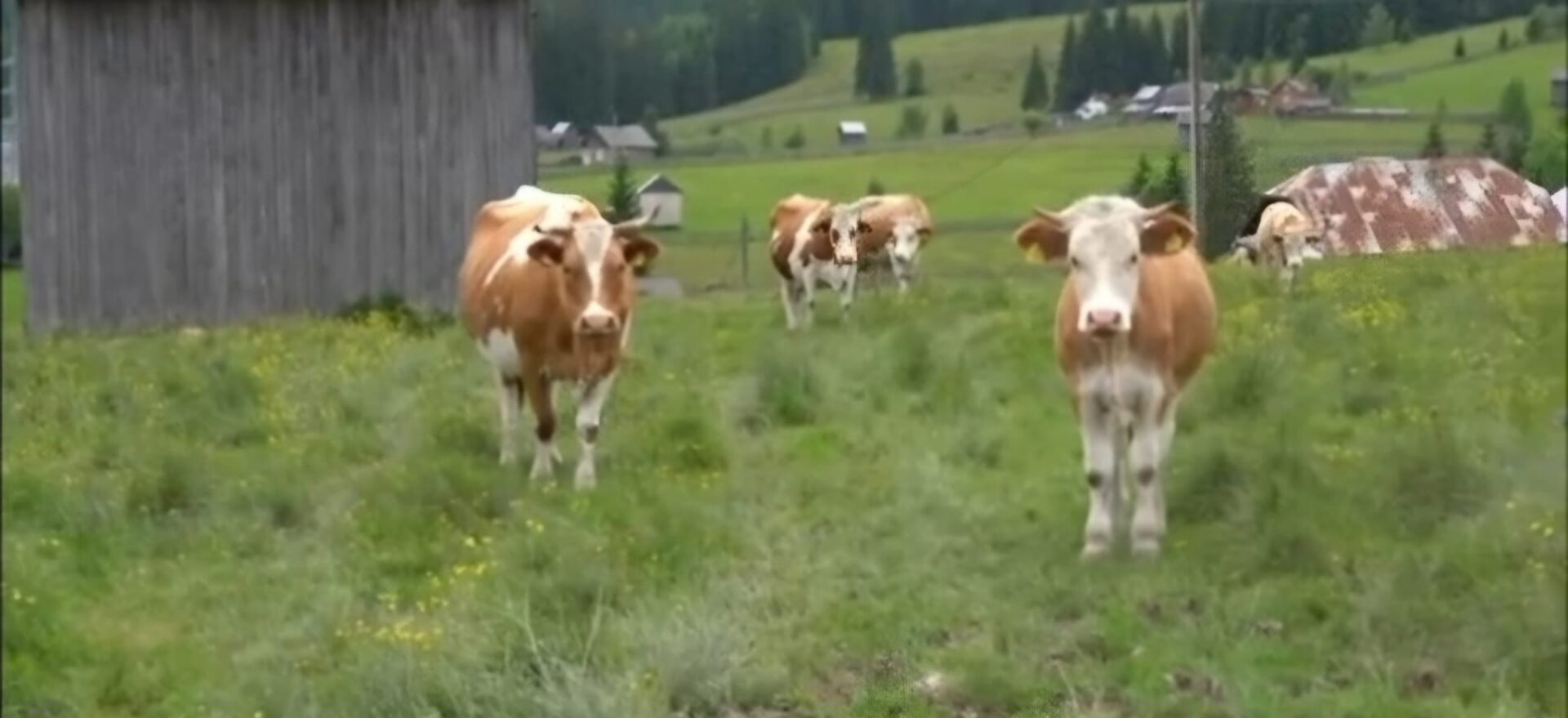
Dairy farmers in the mountain areas of Vatra Dornei and Câmpulung Moldovenesc, in Romania's Suceava county, have found buyers for their raw milk after the French group Lactalis pulled out of milk collection in the region, according to the Suceava daily Monitorul de Suceava. The newspaper reports that the milk is now being sold at a better price than farmers received before the withdrawal.
Lactalis, one of the world's largest dairy processors, closed all of its milk collection centres in the Vatra Dornei and Câmpulung Moldovenesc areas starting in August. For many smallholders in these Bukovina mountain communities, those centres were the only organised route to market for their daily output, and their closure removed that route at a stroke.
The feared collapse did not materialise
According to Monitorul de Suceava, the shutdown did not produce the disaster local producers had braced for. Farmers in both areas continue to sell their milk, and the publication states that the price paid to them is higher than what they received while Lactalis was still collecting.
The initial concern was well founded. Raw milk cannot be stored on a smallholding: it has to be chilled and moved within a day or two, and a farm with a handful of cows has no realistic alternative to a collection point within short driving distance. When the operator of that network exits, the milk has no route to a processing plant and the herd turns from an asset into a cost. In mountain regions, culling decisions tend to follow quickly once collection stops, and the loss of animals is far harder to reverse than the loss of a contract.
Higher prices point to competition for the milk
The commercially significant detail in the Monitorul de Suceava report is not that collection resumed, but that it resumed at a better price. In a market where a departing buyer leaves stranded supply behind, prices would normally fall: sellers holding a perishable product with no alternative outlet have almost no bargaining power. The opposite happened in the two Suceava mountain areas.
That outcome points to genuine competition for raw milk volumes in northern Romania rather than to a rescue operation. Buyers that stepped in were prepared to pay more than the incumbent had been paying, which suggests their own plants were running below the intake they wanted. For the farms concerned, the change of buyer improved rather than eroded their position, at least at current price levels.
Why mountain collection stays fragile
The episode does not remove the structural problem it exposed. Mountain dairy farming in Romania rests on a cost base that large industrial groups find difficult to justify:
- small herds spread across scattered villages, which raises collection cost per litre;
- long routes on difficult mountain roads, with fuel and driver time weighing on every stop;
- pronounced seasonal swings in output between summer grazing and winter feeding;
- dependence, in many valleys, on a single collector for an entire catchment area.
Mountain milk does carry a commercial advantage. Under the European Union's optional quality terms, output from mountain areas can be marketed as a mountain product, a claim that supports higher shelf prices for cheese and other processed dairy. That premium is captured mainly at processing level, and it reaches the farm gate only when buyers compete for supply, which is precisely what the Suceava case shows can happen when a dominant collector leaves.
The report does not detail the identity of the new buyers, the volumes that changed hands, or the size of the price gain, and it does not set out a public explanation from Lactalis for the closures. What it establishes is the direction of travel: collection in the two mountain areas continued without the group, and on terms farmers describe as better than before.