Romania’s strong grain harvest may lift exports without lowering food prices
Romania could harvest about 8.2 million tonnes of corn in 2026 and one of its strongest wheat crops in recent years. Regional demand, processing costs and weather-related pressure on logistics mean that the larger harvest may not reduce supermarket prices.
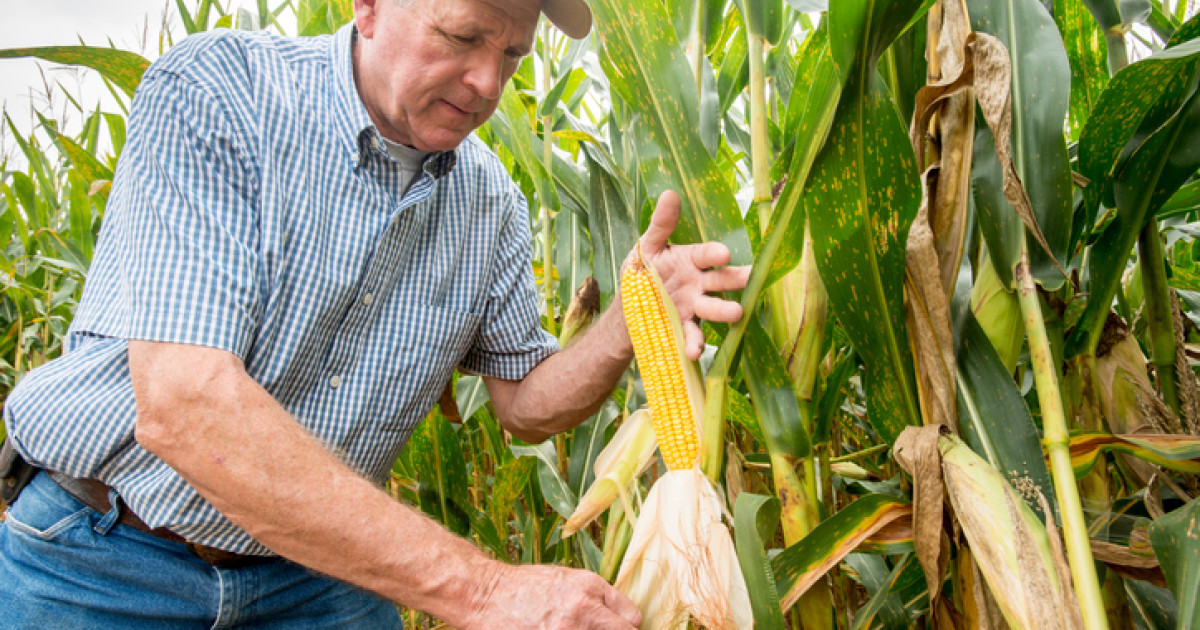
Romania gains an advantage as European crops suffer
Romania is heading toward an above-average cereal harvest in 2026 while drought, extreme heat and fires damage crops elsewhere in Europe. Digi24, citing an economic consultancy’s analysis based on European Commission data, the Joint Research Centre’s MARS Bulletin and agricultural market sources, reports that the country could increase grain exports as buyers seek supplies unavailable in more severely affected markets.
The European Commission has reduced its production forecasts for sunflower by 7%, corn by 6%, and potatoes and soybeans by about 3%. Spring crops have suffered most, while winter wheat, barley and rapeseed have been relatively less affected. Hot weather accelerated maturity and harvesting but shortened grain filling and reduced output. Spain’s 2026-2027 cereal forecast was cut from about 24 million tonnes to just over 18.5 million tonnes, while France faces one of its weakest corn outlooks in decades.
Corn outlook improves, but wheat estimates diverge
Romania’s 2026 corn crop is estimated at approximately 8.2 million tonnes, compared with 7.75 million tonnes estimated for 2025. If confirmed, that volume could make Romania one of the principal corn suppliers to the European market during a season of weather-related losses in western Europe. The final results for corn, sunflower and soybeans, however, remain dependent on weather in August and September.
The wheat picture is less certain. Public estimates range from 13.3 million to 14 million tonnes, but these figures have not been officially confirmed. The European Commission estimated soft-wheat production at about 11.06 million tonnes in May. The gap exceeds 2 million tonnes, so the evidence supports expectations for one of Romania’s best wheat harvests in recent years, but not yet a confirmed record.
Regional demand limits the effect on domestic prices
A larger crop does not necessarily mean cheaper grain for Romanian buyers. As part of the European single market, Romania can sell its production abroad. Weak harvests in France, Spain or other countries could raise demand for Romanian grain and connect domestic prices more closely to regional markets. That would support farmers’ revenue and export activity, while leaving consumers with little direct benefit.
The structure of the food industry further weakens the link between harvest volumes and shelf prices. Romania can export wheat while importing processed food, or export sunflower seed and corn while buying vegetable oil and meat products. According to the analysis cited by Digi24, agricultural raw material accounts for only about 20%-30% of the price of a processed food. Energy, packaging, transport, labor, rent, commercial margins and value-added tax make up the remainder.
Logistics and energy create additional pressure
Drought can raise costs even where Romanian fields produce satisfactory yields. Low water levels on the Danube reduce the quantity of grain that each barge can carry, increasing freight costs per unit. Lower hydroelectric production can also push up energy expenses for processors and retailers. These pressures can offset stable or weaker farm-gate prices before food reaches supermarkets.
The effects are also delayed as inventories are consumed and new costs move through the supply chain. The analysis says more visible pressure could emerge from winter and continue through 2027, probably as gradual increases rather than a sudden shock. Euro-area inflation for food, alcohol and tobacco fell to 1.6% in June, but Deutsche Bank economists cited in the analysis estimate that the commodity-market shock could add about 0.8% to food prices over the following year. Romania’s harvest therefore offers a clear commercial opportunity, but shielding consumers would require stronger irrigation, agricultural insurance and domestic processing capacity.