Romanian energy association warns of peak-hour import reliance, sets 2030 targets
A plan published on 24 September by the Intelligent Energy Association warns that Romania can add generating capacity and still lack available power when demand peaks. It sets ten decisions and 2030 targets, including 3,500–4,500 MW of controllable capacity costing €5–7 billion and 15–20 GWh of storage.
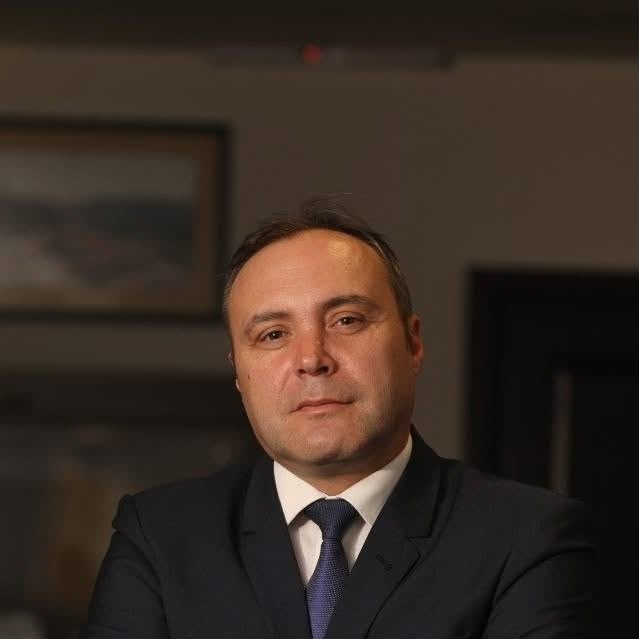
Romania risks running short of usable electricity at peak demand hours even as installed capacity keeps growing, according to a plan published on 24 September by Dumitru Chisăliță, president of the Intelligent Energy Association (Asociația Energia Inteligentă, AEI), and reported by ziare.com. The document, titled the Energy Plan for Romania 2030, sets out ten decisions, deadlines and targets aimed at reducing reliance on imports during critical hours.
The starting point, Chisăliță argues, is that Romania holds natural gas, hydropower, two nuclear reactors, refineries and a growing renewable fleet, but these resources are not always available at the same moment, or in the place where demand appears.
Capacity on paper, shortfalls in the evening
By August 2026, roughly 2,514 MW of new capacity had been connected, comprising 1,331 MW of photovoltaics, 496 MW of wind and 663 MW of storage, according to the AEI plan. Much of that new output depends on weather, while plants able to run on demand have advanced more slowly. On an evening with no solar output, weak wind and high consumption, capacity recorded in statistics cannot be treated as energy that is simultaneously available.
The association identifies 40 risks for the period to 2030 if coordination problems and investment delays persist. Romania enters the 2027–2030 period with significant energy resources but an insufficiently coordinated system, Chisăliță writes in the presentation of the study, adding that closing coal before gas-fired plants are completed, nuclear and hydropower delays, and renewable growth without adequate grids, flexibility and storage will keep the country dependent on imports in critical hours. Prices can become more volatile, industry less competitive, and the number of vulnerable consumers can rise, he says.
Closure only after replacement
Delays to the gas-fired plants meant to replace part of coal generation account for a large share of the problem, according to Chisăliță. The Turceni and Ișalnița projects would total about 1,325 MW, while completion of the Iernut plant has overrun its original schedule. AEI's first proposed rule is closure only after replacement: a capacity needed for system security would be permanently retired only once its replacement has been built, connected, tested and is able to deliver energy.
The main problem is the wrong order of decisions, the AEI president says: Romania closes capacity before building replacements, develops renewables ahead of grids and storage, prepares gas production without an industrial strategy, and taxes energy as a source of budget revenue rather than as infrastructure for competitiveness.
For 2030, the association sets a target of 3,500–4,500 MW of new or modernised controllable power and at least 500 MW from hydropower projects. The summary estimates a requirement of €5–7 billion for that programme, to be covered by company investments, private capital, European funds and other financing instruments.
Black Sea gas, storage and flexible demand
For Black Sea gas, the plan proposes developing productive consumption inside Romania through flexible power plants, industry, agriculture and district heating. AEI is targeting annual domestic-market use of 2–3 billion cubic metres by 2030, through investments and transparent long-term contracts, without blocking exports. The target depends both on future production and on the completion of industrial projects that could use the gas.
For wind and solar power, Chisăliță asks that production growth be accompanied by grids, storage and flexible consumption. Batteries can shift part of the midday output to the evening peak, but their duration varies, and multi-day episodes of low renewable output require other solutions, including pumped hydro storage, thermal storage and consumers able to move part of their activity outside peak hours. AEI's targets for the end of 2030 are 15–20 GWh of stored energy and 1,000 MW of flexible demand. The document also proposes modernising electricity, gas and district heating networks, and smart metering for 80% of consumers.
Nuclear, contracts and consumer protection
On Cernavodă Units 3 and 4 and the small modular reactor (SMR) project, AEI proposes securing financing and reaching at least 30% physical progress by the end of 2030. For SMRs, Chisăliță calls for an assessment of full cost, financing and technology maturity before a final decision to build, resize or postpone.
- medium- and long-term contracts extended so that 75–80% of consumption is covered by such agreements by 2030;
- targeted protection for low-income households instead of generalised price caps;
- contracts offering industry greater predictability over costs.
These changes would require regulatory decisions and enforcement mechanisms that are not yet in place with the publication of the plan. The point, Chisăliță says, is to move the assessment of energy policy from announced projects to verifiable results: success should not be measured by approved strategies, announced financing or capacity written into permits, but by investments actually commissioned, energy available in critical hours, imports avoided, more stable bills and jobs created in Romania.