Vega Ploiesti lifted bitumen output above 92,000 tonnes in 2025 but covered only 15% of Romanian demand
The Vega Ploiesti refinery, operated by Rompetrol Rafinare and controlled by KMG International, produced more than 92,000 tonnes of bitumen in 2025, meeting only 13-15% of Romania's 600,000-700,000 tonne annual requirement. World Bank WITS data show imports of 563,000 tonnes worth $308.67 million in 2023, with 80-85% of national demand sourced from within the region. Petrom and Grampet have announced investments in polymer-modified bitumen production.
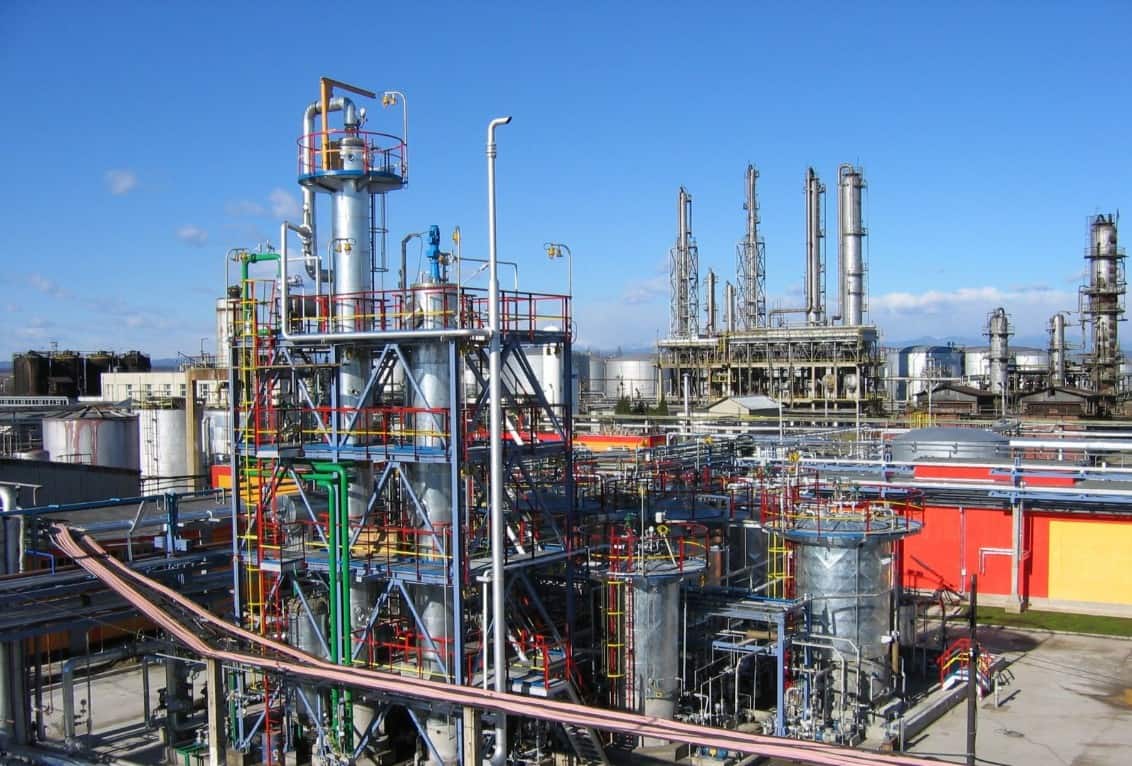
The Vega Ploiesti refinery produced more than 92,000 tonnes of bitumen in 2025, but the volume covered only about 13-15% of Romania's consumption, leaving the country dependent on imports for the bulk of the binder used in its road programme, cursdeguvernare.ro reported.
Vega is operated by Rompetrol Rafinare and controlled by Kazakhstan's KMG International. For years it was Romania's only bitumen producer.
The gap between output and demand comes as Romania runs an intense road-building cycle across motorways, express roads and national and county roads. Bitumen is the single most important component of the asphalt mixture, accounting for 4-6% of it.
Throughput up, self-sufficiency down
Total feedstock processing at Vega reached 395,465 tonnes in 2025, up 35% from 292,789 tonnes a year earlier and above the 374,327 tonnes processed in 2023, according to refinery data cited by cursdeguvernare.ro. Bitumen output followed the recovery in refinery runs.
The figures reported for the annual change are inconsistent: the same report describes 2025 bitumen production as 23% higher than 2024 and, in the same sentence, 12.5% lower than 2024. What is not in dispute is the level - above 92,000 tonnes - and how it compares with the refinery's own record. Vega has produced as much as 120,000 tonnes in past years, close to its maximum capacity of 140,000 tonnes, when domestic output covered around 20% of consumption. Coverage of 13-15% in 2025 is therefore well below the historical norm: even with higher throughput, the share of Romanian demand met from local sources has fallen.
A 600,000-tonne market covered mostly by imports
Romania's cumulative annual bitumen requirement is put at 600,000-700,000 tonnes. It breaks down broadly as follows:
- 100,000-150,000 tonnes a year for motorway construction;
- current needs - annual resurfacing of asphalt layers in towns and on the existing national road network - which specialists cited in the report say can reach up to 500,000 tonnes a year, depending on which roads enter rehabilitation;
- bitumen itself makes up 4-6% of the asphalt mix, but is its defining input.
World Bank trade data from the World Integrated Trade Solution platform show Romania imported 563,000 tonnes of bitumen in 2023, worth $308.67 million, or 1.4 billion lei. Around 80-85% of the annual requirement for rehabilitation work and new investment is imported, and is sourced exclusively from within the region for storage reasons.
New producers target polymer-modified grades
Vega's monopoly is set to be tested. Grampet and Petrom have both announced investments to begin producing polymer-modified bitumen for the Romanian market, citing the scale of infrastructure spending in recent and coming years. Petrom said last summer that it was returning to the bitumen business through two strategic partnerships with Romanian companies, 15 years after it closed production at Arpechim.
Road bitumen currently sells for between 500 and 550 euros per tonne depending on grade, against 340 euros in 2007. The report notes that the value of bitumen imports is small relative to the benefits of road investment, which may partly explain the limited appetite among local refiners to produce more.
Romania nonetheless has unused production capacity. The distance between Vega's 92,000 tonnes in 2025 and its 140,000-tonne ceiling is roughly a third of the plant's potential, and closing it would still leave the domestic market short of more than half a million tonnes a year.