Romanian beer market heads for record low of 13.1 million hectolitres after 26% excise rise
Beer production in Romania fell 9% year on year in the first half of 2026 and the market is on course to close the year at 13.1 million hectolitres, an all-time low, according to the Brewers of Romania association. The group says a 26% excise increase will lift duty receipts by only 2.7% while stripping about 1.3 million hectolitres from the market.
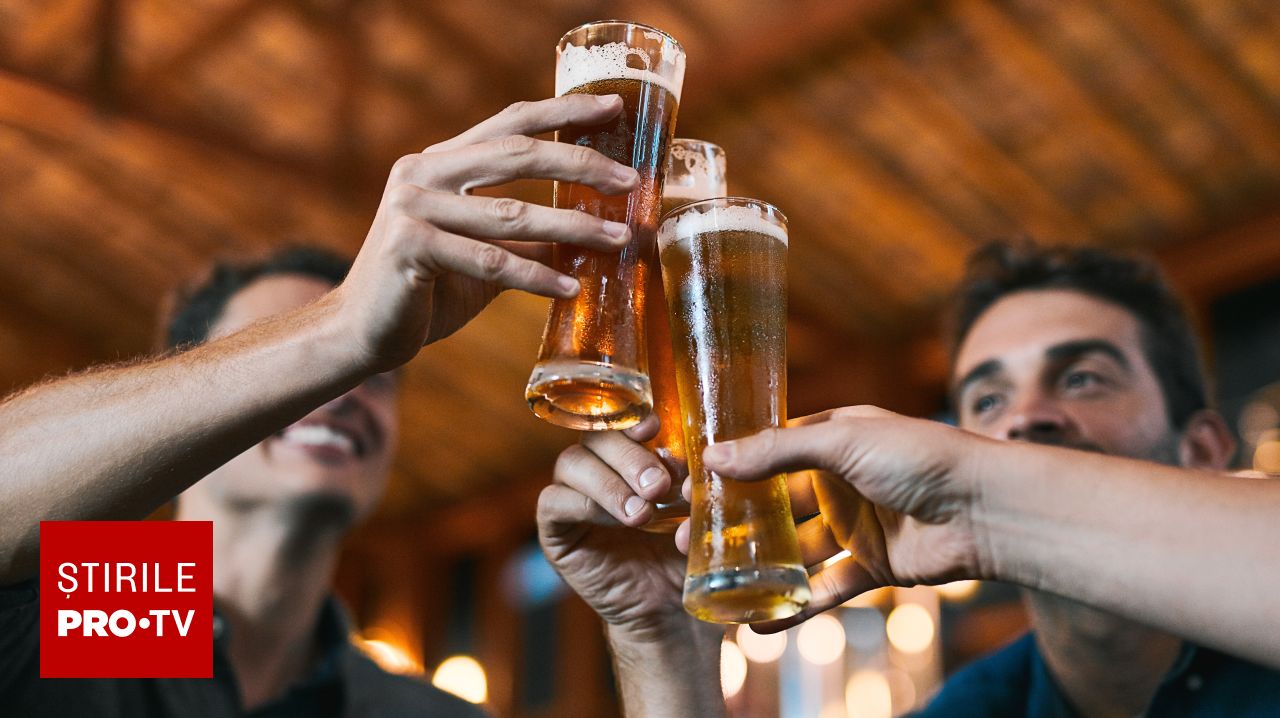
Romania's beer market is heading for the lowest volume on record. Production fell 9% year on year in the first half of 2026, and if the trend holds through December the market will close the year at 13.1 million hectolitres, according to the industry association Berarii României (Brewers of Romania).
The association ties the contraction directly to taxation. Excise duty on beer was raised by 26% in 2025 — part of a cumulative 55% increase since 2022 — and the brewers argue the measure has cut volumes without delivering the budget revenue it was designed to raise.
A 26% tax rise, a 2.7% revenue gain
Berarii României estimates that excise receipts will advance by just 2.7% against 2025, while the market loses roughly 1.3 million hectolitres of volume. The imbalance, the association said in a statement reported by Libertatea, “highlights the low efficiency of the fiscal measure, which has generated a sharp contraction of the market without producing proportional budget benefits”.
Constantin Bratu, director general of the association, set out the arithmetic in cash terms in remarks to Pro TV: excise collections will rise by 15 million, but the state budget will lose 70 million lei overall, on a market two million hectolitres smaller. He compared the lost volume to roughly 7,500 trucks.
“We are not asking for tax breaks, but for predictability through the setting of an excise level that allows the market to stabilise, local production to develop, investment to be retained and jobs to be protected,” Bratu said. “History has clearly shown us the same pattern: every time excise rose, the beer market contracted. When there was fiscal stability, the market stabilised or returned to growth.”
Had the fiscal calendar set out in 2024 been respected, Bratu added, the market would have stabilised at 15 million hectolitres, with excise bringing in significant sums and generating sustainable increases.
Twenty-year low and idle capacity
Consumption fell to 14.4 million hectolitres in 2025, the lowest level in 20 years, and the market has shed about 15% of its volume compared with four years ago, according to association figures. Per capita consumption is set to drop from 75 litres a year to 68 litres in 2026.
Higher tax rates have not translated into higher contributions. Payments to the budget by association members fell from 356 million euros in 2024 to 325 million euros in 2025. Romanian breweries are now running with roughly 40–50% unused capacity, having sized their recent investments for a significantly larger market. For the first time in two decades, beer imports have risen sharply — by 35–45% — taking a market share of about 4.5%.
More than 95.5% of the beer consumed in Romania is produced domestically, using 80% raw materials from local crops. The sector contributes three billion euros a year to Romanian GDP and one billion euros to the state budget, the association says.
Prices, channels and the European backdrop
Some brands now carry shelf prices double those of two years ago. Sales of lager, preferred by 92% of Romanian consumers, fell 10%, while alcohol-free and flavoured variants stagnated or declined slightly. Consumption in restaurants and on terraces has been the most severely affected, falling to just 9%, with drinkers shifting to at-home consumption at weekends, Pro TV reported. The same broadcaster put the first-half production decline at close to 10%, to more than 8 million hectolitres.
The Romanian slump sits within a broader European softening. Beer sales in Germany fell 2% over a year on the back of rising prices, Pro TV reported, with a one-litre stein at this year's Oktoberfest costing up to 16 euros and organisers counting on the over-40s. In Romania, Greece, Czechia and Spain alike, the 20–30 age group is increasingly under-represented among wine and beer drinkers, with younger consumers citing drink-driving concerns and turning to alcohol-free options.
Berarii României, whose members include Ursus, Bergenbier, Heineken and United Breweries alongside the microbreweries Scorilo, Zăganu and Berăria Artizanală Sibiu, raw material producer Soufflet Malt and hop growers' representatives, is calling for a reduction in excise duty to stabilise the market and keep production local.