Romania ranks among Europe’s costliest day-ahead power markets as heat strains supply
Romania’s day-ahead electricity price reached about €178/MWh, up 48%, as extreme heat lifted cooling demand while wind, hydro and nuclear output weakened. Only Italy and Serbia recorded higher prices among the markets cited by Jurnalul, renewing concern over regional grid constraints and future consumer bills.
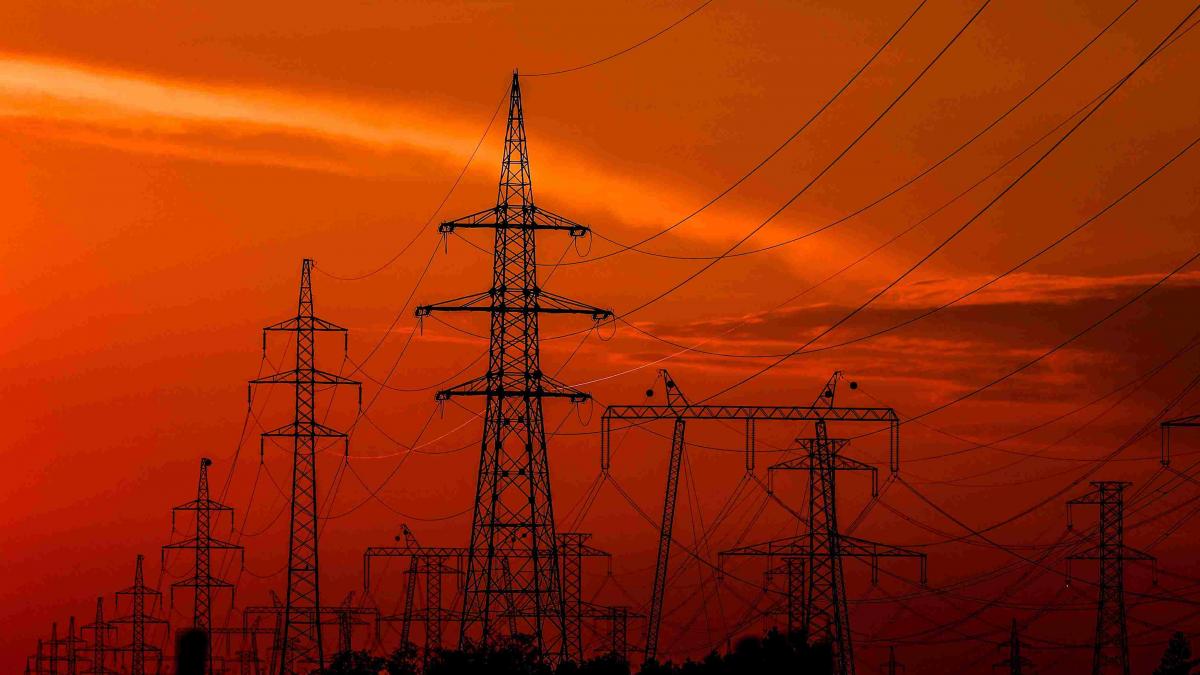
Heat and generation outages lift spot prices
Romania became one of Europe’s most expensive day-ahead electricity markets as a powerful heat wave drove exceptional demand for air conditioning and cooling while several sources of generation weakened. Jurnalul reported that the Romanian Day-Ahead Market price for Tuesday delivery reached approximately €178/MWh, equivalent to around 932 lei/MWh, after rising 48%.
Among the markets compared by the publication, only Italy, at €198/MWh, and Serbia, at €185/MWh, were more expensive. Hungary and Croatia posted prices close to Romania’s. The largest percentage increases were recorded in Lithuania and Latvia, both at 135%, followed by Serbia at 65% and Greece at 57%, according to prices presented by euenergy.live and cited by Jurnalul.
The regional increase reflected both demand and supply pressures. High temperatures raised electricity consumption, while record-low Danube levels and the shutdown of several nuclear units reduced baseload generation across Europe. In Romania, the pressure was intensified by the disappearance of wind generation, lower hydroelectric output and the unavailability of several production assets, most notably Unit 1 at the Cernavodă nuclear plant.
Evening imports expose Romania’s flexibility gap
Romania’s difficulties are particularly acute during evening peak hours. Former energy minister Sebastian Burduja said the country can export electricity cheaply during the day and import it at very high prices at peak times because it lacks sufficient domestic storage capacity. He contrasted Romania’s €80 million allocation for batteries under its recovery plan with Bulgaria’s €600 million commitment, more than seven times as much.
Day-ahead prices do not pass immediately and fully into household bills because suppliers procure electricity through a mix of long-term contracts and shorter-term purchases. Energy Ministry State Secretary Cristian Bușoi nevertheless warned that prolonged tight conditions and expensive evening imports would eventually enter consumer prices as old contracts expire and new ones are signed. Active energy currently represents about 55% of a Romanian electricity bill, while regulated tariffs and taxes account for the remaining 45%.
Suppliers offering new contracts had not announced immediate price increases, according to Jurnalul. The duration of the heat wave and generation shortfall will therefore be critical: a brief spot-market spike can be absorbed through existing portfolios, but sustained purchases at elevated prices increase the likelihood that costs will reach households and businesses.
Cross-border bottlenecks deepen regional price gaps
Large differences between Southeast and Central European electricity prices have also renewed scrutiny of limited interconnection capacity east of Austria. Major power consumers in Romania, Bulgaria and Greece previously asked European institutions to intervene, arguing that restricted Austria-Hungary capacity damages the competitiveness of energy-intensive industries. Their joint letter said available capacity on that border repeatedly falls to 0 MW during peak periods.
The companies also questioned a derogation granted to Austrian system operator APG from provisions connected to the EU requirement that at least 70% of cross-border transmission capacity be made available to the market, subject to operational security. The derogation has applied since 2020, while the signatories said there was no evidence of adequate measures to facilitate electricity flows, particularly toward Hungary.
Regulators call for stronger grids and flexibility
Following prolonged price spikes in Southeast Europe during the summer of 2024, the European Commission asked the EU Agency for the Cooperation of Energy Regulators to assess preventive measures. ACER’s May report covered Slovenia, Croatia, Hungary, Romania, Bulgaria and Greece.
Its recommendations included faster deployment of grid-enhancing technologies, better regional coordination of planned outages and remedial actions, continued enforcement of the 70% cross-border capacity rule, flow-based market coupling, accelerated grid investment and fewer barriers to small providers of system flexibility. The latest price surge shows why those measures matter: when cooling demand rises as wind, hydro and nuclear availability fall, limited storage and constrained interconnectors leave Southeast European buyers competing for expensive electricity precisely when they need it most.