Romania Accounts for 43% of EU Walnut Production as Intensive Orchards Expand
Romania supplies 43% of the European Union’s walnut production, making it the bloc’s largest producer. Investment in intensive orchards is increasing as growers respond to European demand, favorable growing conditions and improved cultivation technology.
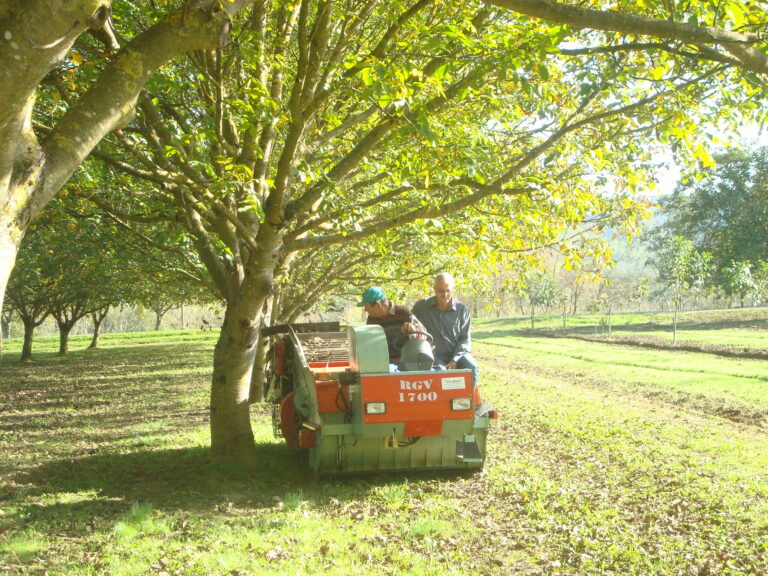
Romania takes a commanding share of EU production
Romania accounts for 43% of total walnut production in the European Union, according to Ora de Sibiu, citing information published by Economica.net. The share places the country first among EU producers and well ahead of other European suppliers.
The figure establishes Romania as a central source of walnuts within the bloc, although the available report does not provide production volumes, orchard area or a comparison with previous years. It also does not quantify domestic consumption or exports. Those missing indicators will determine how much of Romania’s production is available to buyers elsewhere in Europe.
Demand is growing in both Romania and export markets, according to the report. Romanian walnuts are valued for their taste and nutritional qualities, while their use across multiple food categories supports a broad customer base. For growers and processors, the strength of demand creates an incentive to improve both output and commercial quality.
Investment shifts toward intensive orchards
Interest in intensive walnut orchards is rising among Romanian farmers and investors. Ora de Sibiu reports that strong European demand and good returns achieved in recent years have encouraged the expansion of walnut-growing areas in several regions of the country.
Romania’s soil and climate conditions are considered favorable for walnut cultivation. Modern planting and orchard-maintenance technologies have also helped raise productivity and improve fruit quality. Together, these factors are supporting a more commercial and technically managed production base rather than growth based only on existing orchards.
Intensive orchards can strengthen the consistency of supply and quality, two factors that matter to processors and larger buyers. However, the source provides no figures for planting density, yields, establishment costs or the time required for new orchards to reach commercial production. The pace at which current investment translates into additional marketable supply therefore remains unclear.
European demand supports further expansion
Romanian authorities and industry associations expect the upward investment trend to continue. Their outlook is based on increasing European demand and support available through EU agricultural programs, according to Ora de Sibiu.
A sustained expansion would reinforce Romania’s position in the EU walnut market and could create additional opportunities in orchard services, harvesting, grading, processing and distribution. It could also make production standards and post-harvest handling more important as larger volumes move toward commercial buyers.
For the wider European market, Romania’s 43% share creates a significant concentration of regional production in one country. Harvest conditions and investment decisions in Romania may consequently have an outsized influence on EU availability. Producers elsewhere in the bloc will face a market shaped by Romania’s capacity growth, while traders and processors will closely watch whether new orchards deliver greater volumes, more consistent quality and additional export supply.