Rio Grande do Sul milk output up 2.38% in 2025, but imports hold 8% of the market
Milk production in Brazil's Rio Grande do Sul grew about 2.38% in 2025 against 2024, while imported dairy still accounts for roughly 8% of the state market, according to the small and medium dairy association Apil. Installed processing capacity of 19 million to 20 million litres a day dwarfs current output of about 10.5 million litres, and Apil is pushing for a surcharge on milk powder and mozzarella from Argentina and Uruguay.
Milk production in Rio Grande do Sul rose about 2.38% in 2025 against 2024, but imported dairy still holds roughly 8% of the state market, according to the Association of Small and Medium Dairy Industries of Rio Grande do Sul (Apil), in figures reported by expansao.co. The association says product arriving from Argentina and Uruguay at costs below those of gaúcho production keeps pressure on prices and hits small and medium processors hardest.
Imported product meets local brands at the shelf
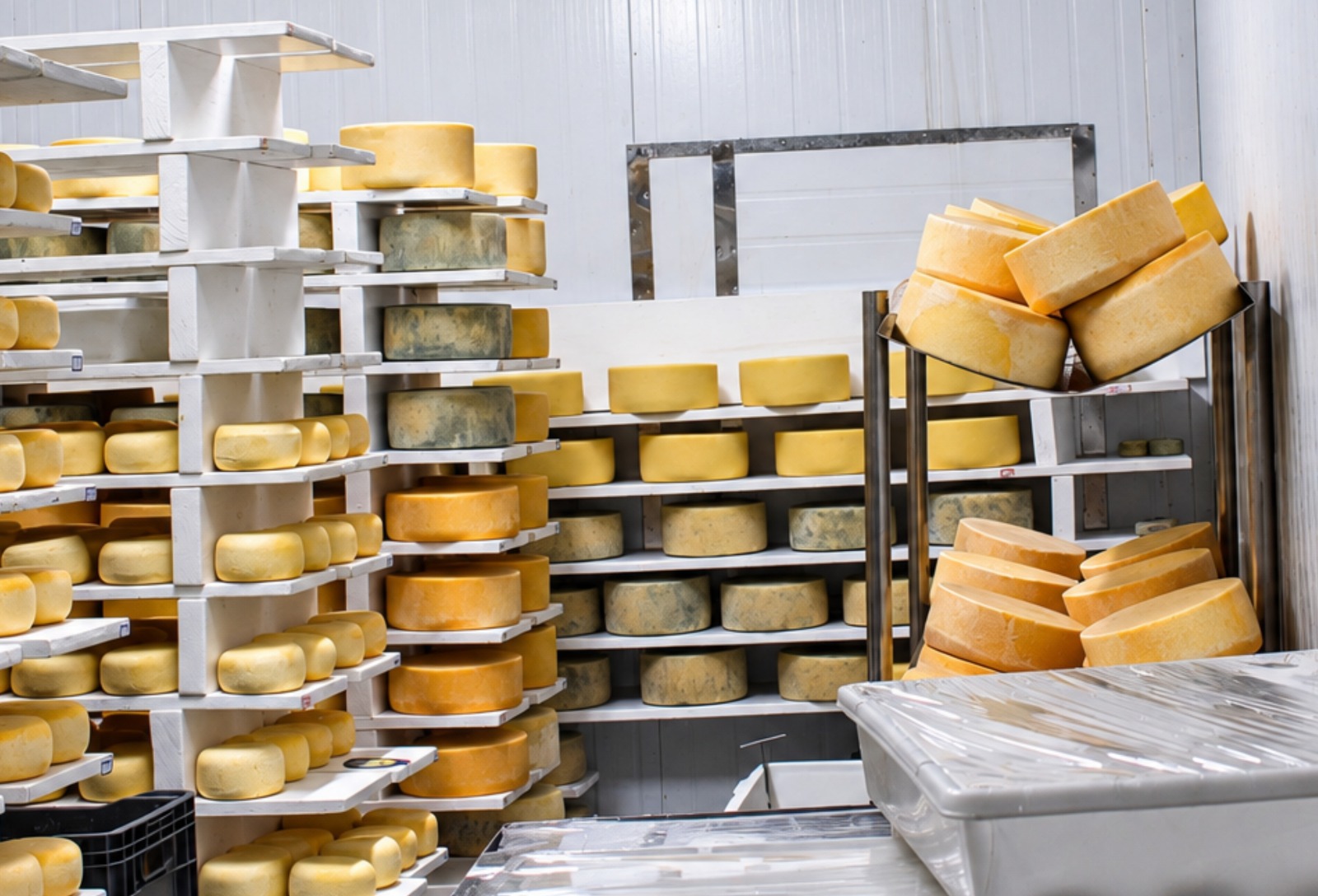
Apil argues the competition is settled at the point of sale, where imported cheese and powder sit alongside regional brands. Smaller processors face those goods directly, without the cushion of national distribution scale or access to cheaper imported inputs.
The import channel has also widened beyond the industry itself. Apil president Fernando Zimmermann said pizzeria chains and supermarkets now bring product in on their own account or through traders. “These products end up coming in at a much lower cost, which affects our market a great deal,” he said.
Cost pass-through reaches the farm gate
Larger companies can import ingredients and inputs such as milk powder and the cheese base used to make requeijão, while small dairies depend on milk produced inside the state and compete against the finished imported goods. According to Zimmermann, that asymmetry forces small processors to absorb part of their cost increases in order to stay competitive: “We end up passing on only part of that cost, and this has a direct impact on the producer’s price as well.”
The squeeze on prices paid to farmers is sharpening the dispute between producers and processors, which Apil frames as a market outcome rather than an industry decision. “We end up in a fight, with the producer thinking the dairy is to blame for the fall in prices he suffers. We are simply reacting to a market issue,” Zimmermann said.
Installed capacity nearly double current intake
Apil estimates installed processing capacity in Rio Grande do Sul at between 19 million and 20 million litres per day, against current production of about 10.5 million litres. The state therefore processes barely more than half the volume its plants could handle, a gap that leaves room to expand raw milk supply within the producer bases companies already operate rather than through new units.
Processors have been working to lift productivity among their existing suppliers, including measures to reduce on-farm production costs. Concentrating collection in regions the industries already serve can also cut logistics and technical-assistance spending, according to the association.
Apil’s agenda: surcharge, credit, consumption
The association is seeking measures to limit the impact of imports and even out competitive conditions for domestic industry. Its proposals include:
- a surcharge on imported products, specifically milk powder and mozzarella cheese from Argentina and Uruguay;
- tax mechanisms to narrow the price gap between imported and Brazilian-made dairy, a subject Apil has taken to the G100 group and to the Brazilian Association of Cheese Industries (ABIQ);
- wider access to credit and joint sector action to stimulate consumption of milk and dairy products.
Zimmermann also raised sanitary standards as a competitive factor, saying milk and products from the state are made with close attention to animal health and to Brazil’s demanding sanitary rules, and that there is no information on whether imported products face the same production requirements in their countries of origin.