Rijeka refinery capacity can cover Croatia as diesel reaches record €1.80 a litre
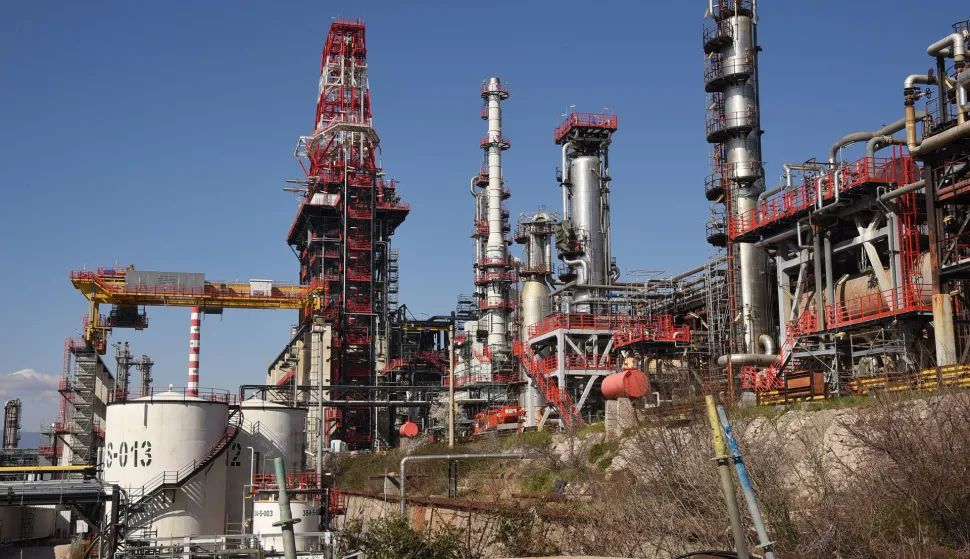
INA says its Rijeka refinery is operating at full capacity and can meet Croatia’s diesel requirements despite pressure on the European market. A new heavy-residue processing unit could raise diesel output by up to 30%, or about 400,000 tonnes annually, once the modernised refinery reaches full capacity in 2027.
Record diesel price raises supply concerns
Diesel has reached a record €1.80 per litre on the Croatian market, intensifying concern about both fuel costs and the possibility of physical shortages in Europe. Croatia remains exposed to movements in European and global energy markets, but INA says the country is currently in a relatively favourable supply position.
Goran Pleše, INA’s chief operating officer for refining and marketing, told Glas Slavonije that the capacity of the Rijeka oil refinery is sufficient to cover Croatian market requirements. His assessment comes as parts of the oil industry warn that pressure on Europe’s diesel market may affect availability as well as prices.
Refinery operating at full capacity
According to Pleše, sufficient crude oil remains available on the market, while INA has secured the volumes it needs for processing during the coming period. The Rijeka refinery is running at full capacity, and the company currently has no shutdowns planned.
The timing also supports the supply outlook. Croatia and the surrounding region are approaching the end of the tourist season, which marks the close of the peak period for fuel consumption. Pleše said Rijeka’s capacity should therefore be adequate to supply the domestic diesel market without disruption.
That assurance addresses the risk of insufficient physical supply, but it does not remove price exposure. Croatia is connected to wider markets, and the company expects diesel prices could continue rising even if adequate volumes remain available domestically.
New unit to lift diesel production
INA plans to place a new heavy oil residue processing unit at Rijeka into operational service by the end of this year. The facility is intended to convert heavier and cheaper grades of crude oil into a larger volume of refined products, particularly diesel.
INA said the modernised refinery is expected to operate at full capacity with the new unit during 2027. The project will allow diesel production to increase by up to 30%, equivalent to approximately 400,000 tonnes per year. The company expects the additional output to strengthen supply security in the markets where it operates while improving the refinery’s efficiency and competitiveness.
The new unit is not expected to have a significant direct effect on diesel prices. Its principal value is additional production flexibility and a larger domestic source of supply. For Croatia, that distinction is important: Rijeka may reduce the risk of a physical fuel shortage, but it cannot insulate buyers from price increases originating in the broader European diesel market.