Rijeka Receives More Than 2,000 Chinese Cars on First Dedicated Ro-Ro Call
The AICC Huanghu delivered more than 2,000 Chinese vehicles to Rijeka on the Croatian port’s first dedicated ro-ro arrival from the Far East. The shipment supports Rijeka’s ambitions as a distribution gateway for Croatia and neighboring markets, although limited terminal space constrains expansion.
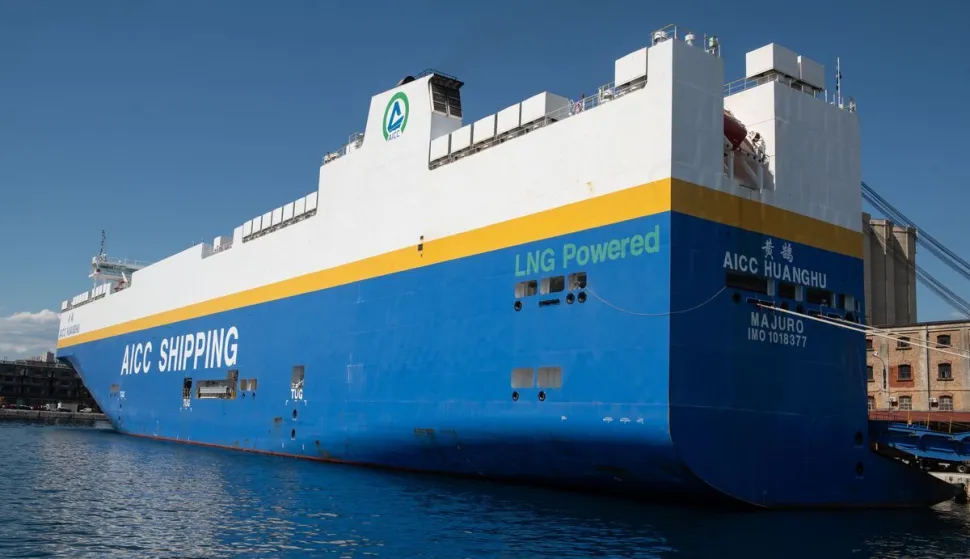
First dedicated ro-ro shipment reaches Rijeka
More than 2,000 vehicles from China have arrived at the Croatian port of Rijeka aboard the AICC Huanghu, marking the port’s first dedicated ro-ro call from the Far East. According to Glas Slavonije, the cargo is intended primarily for Croatia and neighboring countries, positioning Rijeka as a potential new entry point for Chinese vehicles entering European markets.
The vessel is 199.9 metres long and 38 metres wide. Unloading continued during the day, after which the vehicles were scheduled to leave the port by rail and road over the following days. This combination gives Rijeka access to inland markets without relying exclusively on vehicle carriers, but the scale of future flows will depend on the port’s storage, handling and onward-transport capacity.
Logistics partners target repeat traffic
Luka Rijeka management board member Marko Mišković said the call resulted from continuing cooperation with Emil Frey Logistics and Lagermax. He expects the partnership to continue and said the port could soon receive a second vessel carrying cars from China. Mišković also argued that the shipment could encourage other Chinese manufacturers to consider Rijeka as an entry port for vehicles destined for Europe.
The call builds on an automotive logistics business that Rijeka began developing in June of the previous year, when it unloaded its first imported cargo of vans and passenger cars. Vehicle exports through the port followed in October. The operation was established through cooperation between Luka Rijeka and Stellantis, with support from Emil Frey Logistics, part of the Emil Frey group active in Croatia.
Existing vehicle flows provide a base
Rijeka’s export traffic mainly consists of Stellantis passenger cars and light commercial vehicles under the Peugeot, Citroën, Opel, Fiat and Iveco brands. These vehicles arrive from factories in Slovakia and Poland. Rail deliveries of export vehicles to the port also began this year, adding another connection between Central European manufacturing sites and maritime services.
About 22,000 vehicles were handled at Rijeka during the first six months of this year. The port expects the full-year total to reach about 60,000 passenger cars and light commercial vehicles. The Chinese shipment therefore represents a meaningful addition to an existing business rather than a completely new cargo category. Regular calls would diversify Rijeka’s customer and origin base while increasing demand for vehicle storage and inland distribution.
Terminal space limits expansion
Mišković identified the shortage of space in Rijeka’s port basin as the immediate constraint on higher vehicle volumes. The De Franchechi quay and the surrounding area have limited capacity, restricting the port’s ability to accommodate one of its highest-value cargo segments.
Luka Rijeka expects the planned extension of the Prague quay to provide additional space for substantially larger vehicle imports and exports. No completion date or investment figure was given in the source material. Until that capacity becomes available, the commercial promise demonstrated by the arrival of more than 2,000 Chinese cars will have to be balanced against the physical limits of the terminal. For manufacturers and logistics providers, the next vessel and the development of regular services will be the clearest tests of whether Rijeka can become a durable European automotive gateway.