Rights Group Urges US to Reinstate Ban on Dominican Sugar Over Forced Labor Claims
Corporate Accountability Lab says forced labor persists on Central Romana’s sugarcane plantations in the Dominican Republic. The group is urging the US to reinstate an import ban that was imposed in 2022 and reversed last year.
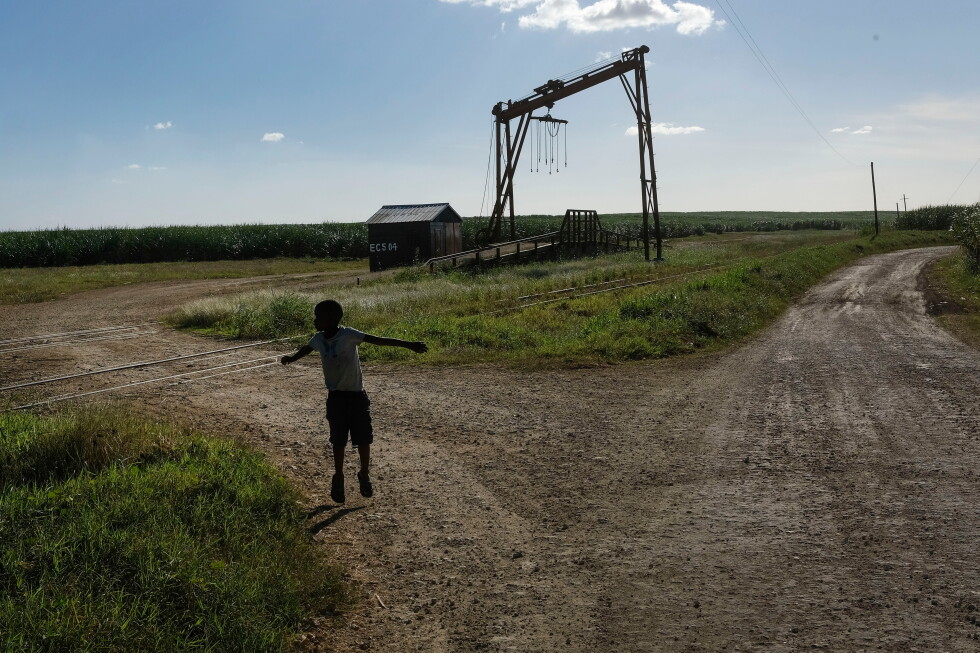
Three-year investigation targets plantation conditions
Corporate Accountability Lab has called on the US government to reinstate an import ban on sugar and related products made by Central Romana Corporation, Ltd., alleging that forced labor persists on the company’s plantations in the Dominican Republic. According to the Associated Press, the nonprofit spent more than three years investigating working conditions at the country’s largest employer and landowner.
Central Romana’s sugarcane fields cover more than 173,700 acres, and local civil society organizations estimate that up to 8,000 people work in them. Many workers are Haitian migrants or their descendants. Some were born in the Dominican Republic but lack citizenship, limiting their ability to seek other employment. Corporate Accountability Lab identified stateless workers and elderly cane cutters who have not received retirement benefits as the two most vulnerable groups.
Previous US restriction was reversed
US Customs and Border Protection previously investigated Central Romana and accused the company of isolating workers, withholding wages, maintaining abusive working and living conditions, and demanding excessive overtime. In 2022, the US prohibited imports of sugar and related products made by the company. The ban was reversed last year under the Trump administration, the Associated Press reported.
Central Romana rejected the new report’s findings. In comments included in the report, the company said it was “riddled with inaccuracies and untruths” and maintained that it had not violated Dominican law or international labor standards. The company did not immediately provide additional comment to the Associated Press. The report noted that one of Central Romana’s owners is Florida-based Fanjul Corp., which owns Florida Crystals.
Workers report low pay and inadequate housing
Workers and local organizations have long complained of unpaid or insufficient wages and cramped housing that frequently lacks water or electricity. Associated Press journalists have verified such living conditions in recent years. The report also cited a climate of fear that discourages workers from challenging wage calculations or organizing. A recent US Department of Labor study reflected similar concerns, while the US government has described conditions on the plantations as “inhumane” and “abusive.”
Corporate Accountability Lab called on Central Romana to register workers in the Dominican social security system, pay at least the minimum daily wage, permit membership in an independent union and improve health protections. It also urged sugar buyers to follow a proposed worker-developed code of conduct. The Dominican government, the group said, should regularize the immigration status of people recruited for cane cutting, distribute pensions owed to workers, and enforce labor and environmental laws.
Import decision could reshape buyer risk
The Dominican Republic exports sugar and other products to the US, its largest market. Reinstating the restriction would directly affect Central Romana’s access to US buyers and require importers to review suppliers, product origin and labor-compliance procedures. The nonprofit went further, asking governments worldwide to prohibit imports of Dominican sugar and sugar-based products made with forced labor.
No new restriction has been announced. The immediate commercial issue is therefore regulatory uncertainty: US buyers must weigh continued access to Central Romana’s output against the possibility of another enforcement action. For Dominican producers, the dispute places worker documentation, wage records, housing conditions and independent labor oversight at the center of market-access risk.