Rift Valley Fever outbreak halts cattle trading and disrupts Rwanda’s meat market
A Rift Valley Fever outbreak has temporarily stopped at least part of Rwanda’s cattle trade, interrupting supplies from Eastern Province to Kigali abattoirs. The disruption is affecting meat availability and prices, although the source material provides no figures for the broader market impact.
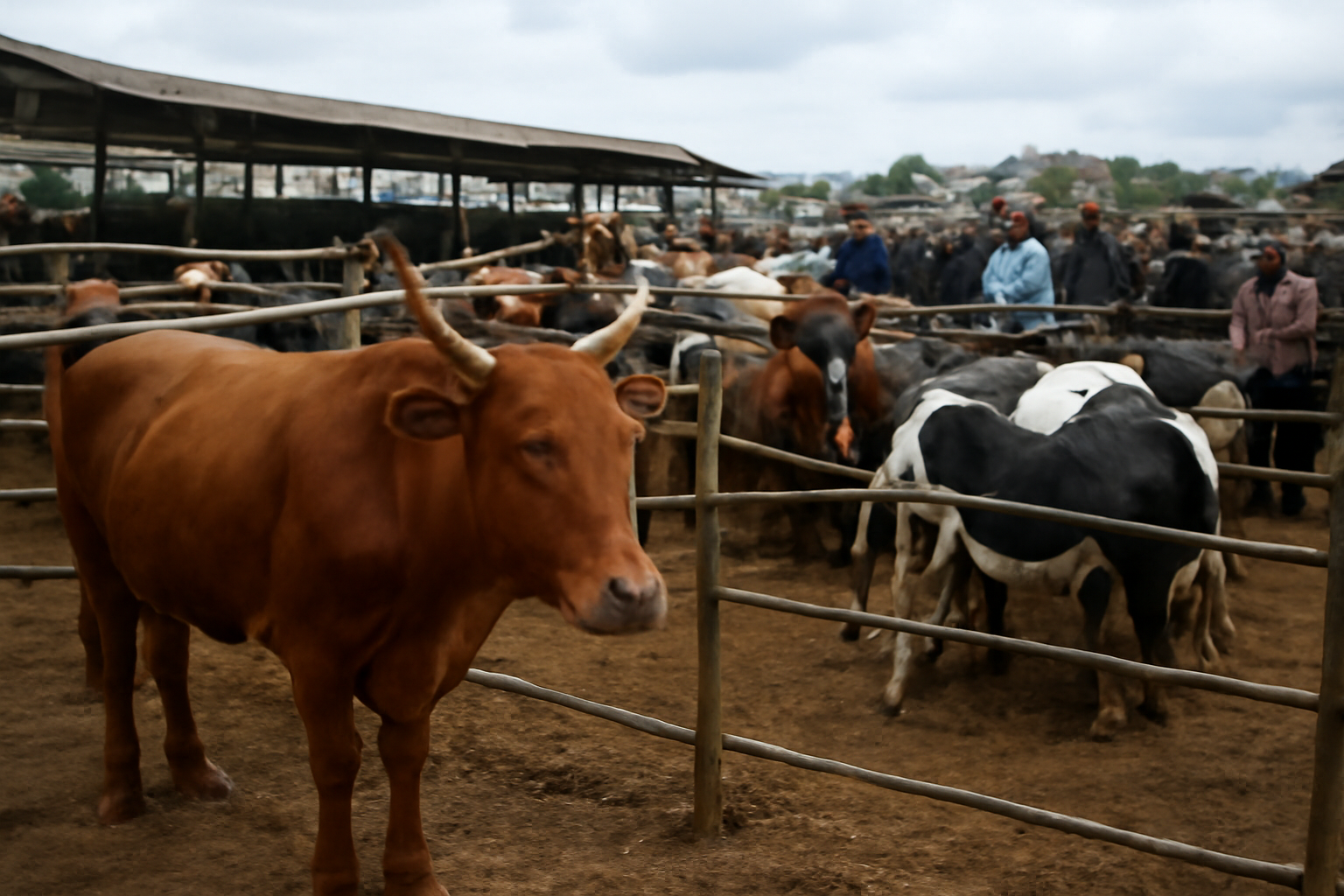
Cattle deliveries to Kigali interrupted
An outbreak of Rift Valley Fever has disrupted cattle trading and the meat supply chain in Rwanda. The available source material describes a temporary halt in the business of George Gatarayiha, a cattle trader who normally buys animals in Eastern Province and supplies them to abattoirs in Kigali.
Before the disruption, Gatarayiha purchased between 20 and 30 cows every week. The suspension therefore removes a regular flow of cattle from one of Rwanda’s producing regions to its principal urban market. The source does not specify when deliveries stopped, how many other traders have been affected or the total number of animals currently unavailable to processors.
The interruption shows how an animal-disease outbreak can move rapidly beyond farms. Traders lose access to livestock, transport activity declines and abattoirs receive fewer animals. Butchers and other meat businesses further down the chain must then compete for the cattle that remain available through unaffected channels.
Prices and availability under pressure
Meat prices have been disrupted alongside cattle trading, according to the supplied headline and description. No national price series, wholesale quotations or retail figures were provided, making it impossible to quantify the change or determine whether it is uniform across Rwanda.
The immediate commercial effect will depend on the duration and geographical reach of the interruption. A short suspension may produce temporary shortages for individual abattoirs and traders. A longer stoppage would expose processors and retailers more directly to reduced throughput, irregular deliveries and higher procurement risk.
For cattle owners, the impact can work in the opposite direction. Restricted market access can prevent animals from reaching buyers even when demand for meat remains present. That separates livestock prices at the farm level from meat prices in Kigali: urban supplies may tighten while producers in affected areas face fewer trading opportunities.
Uncertainty for market participants
The source material does not identify the number of confirmed cases, the districts covered by the outbreak or the veterinary restrictions imposed. It also provides no information on animal losses, compensation, testing, vaccination or conditions for reopening cattle markets. These omissions limit any assessment of the likely duration and national scale of the disruption.
Market participants will consequently focus on whether cattle movements from Eastern Province can resume and whether Kigali abattoirs can secure replacement supplies elsewhere. Traders also need clarity on which animals and routes are affected, because uncertainty alone can discourage purchases and transport even outside formally restricted areas.
Gatarayiha’s normal volume of 20 to 30 cows per week is only one documented trading operation, not a measure of Rwanda’s entire cattle market. Still, its suspension provides a concrete example of the pressure facing the chain. Until regular cattle flows resume, abattoirs, wholesalers and retailers remain exposed to uneven supply, while farmers and traders face interrupted sales.