Rías Baixas warns five million kilos of grapes may go unharvested in 2026
The Rías Baixas designation of origin says up to five million kilos of grapes could remain unharvested in 2026. Overproduction and declining wine consumption are creating a surplus that threatens grower returns across the Spanish appellation.
Surplus threatens the 2026 harvest
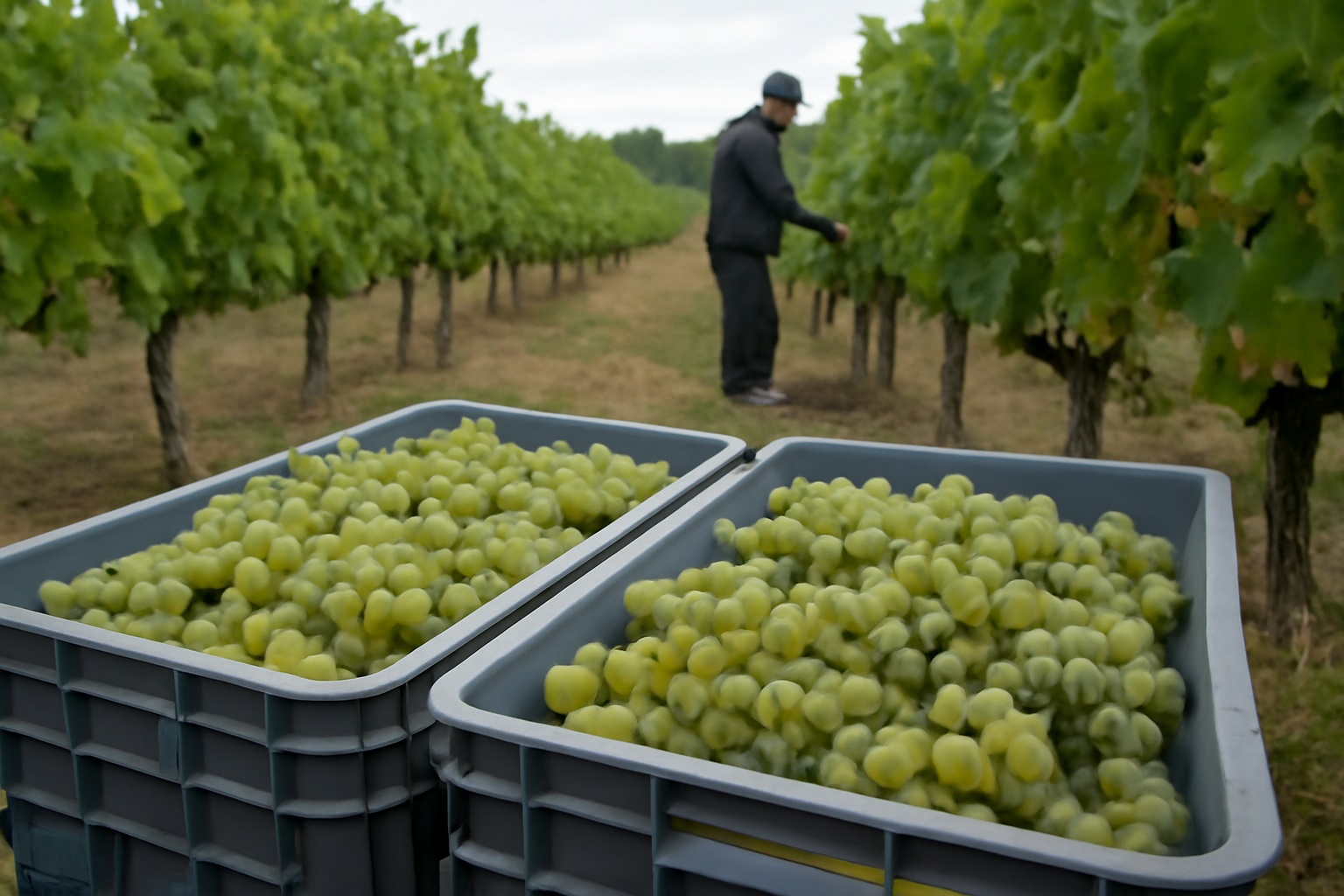
Up to five million kilos of grapes could remain unharvested in Spain’s Rías Baixas designation of origin in 2026, according to a warning from the appellation. The potential loss reflects a widening imbalance between grape production and demand for the wine made from the region’s harvest.
The warning does not mean that five million kilos have already been abandoned. It identifies the volume that may be left on vines if wineries cannot absorb the available crop. The final result will depend on the amount of fruit harvested and the capacity and willingness of producers to purchase and process it.
For growers, grapes left unpicked represent production without a commercial outlet. Vineyard costs are incurred before the harvest, while revenue normally depends on selling the crop to a winery or processing it into wine. A surplus therefore places direct pressure on farm income even before its effect reaches the bottled-wine market.
Overproduction meets weaker consumption
The appellation identifies two connected causes: overproduction and falling wine consumption. Excess grape supply increases the volume available to wineries, while weaker consumption limits how quickly existing and new wine can move through the market. Together, those forces reduce the industry’s ability to take in another large harvest.
The impact extends beyond vineyards. Wineries must decide how much fruit they can process without building inventories that may be difficult to sell. Distributors and traders also face a market in which additional supply does not guarantee additional sales. When consumption contracts, expanding output can transfer the surplus from vineyards into winery stocks rather than resolve it.
Rías Baixas is consequently confronting both an agricultural and a commercial problem. Leaving grapes unharvested concentrates the loss among growers. Buying and processing all available fruit can instead increase winery costs and inventories. Neither option removes the underlying gap between production and consumption.
Pressure builds across the appellation
The possibility that five million kilos will remain unpicked signals that the adjustment could be substantial for affected producers. Growers with fewer alternative buyers are particularly exposed when wineries restrict purchases. The pressure can also shape negotiations over grape volumes and returns, as buyers have less incentive to compete for fruit in an oversupplied market.
The warning gives the Rías Baixas sector time to assess the 2026 crop against realistic sales prospects. Production decisions, winery intake and inventory management will determine where the immediate burden falls. The central constraint, however, remains demand: unless wine consumption can absorb more output, a large grape harvest risks deepening the surplus rather than improving revenue for the appellation’s growers and wineries.