Rhineland-Palatinate Riesling harvest enters final stages with promising outlook
The Riesling harvest in Rhineland-Palatinate is nearing completion with expectations of a promising vintage. Weather conditions have supported the outlook, although no quantified yield or quality data have been reported.
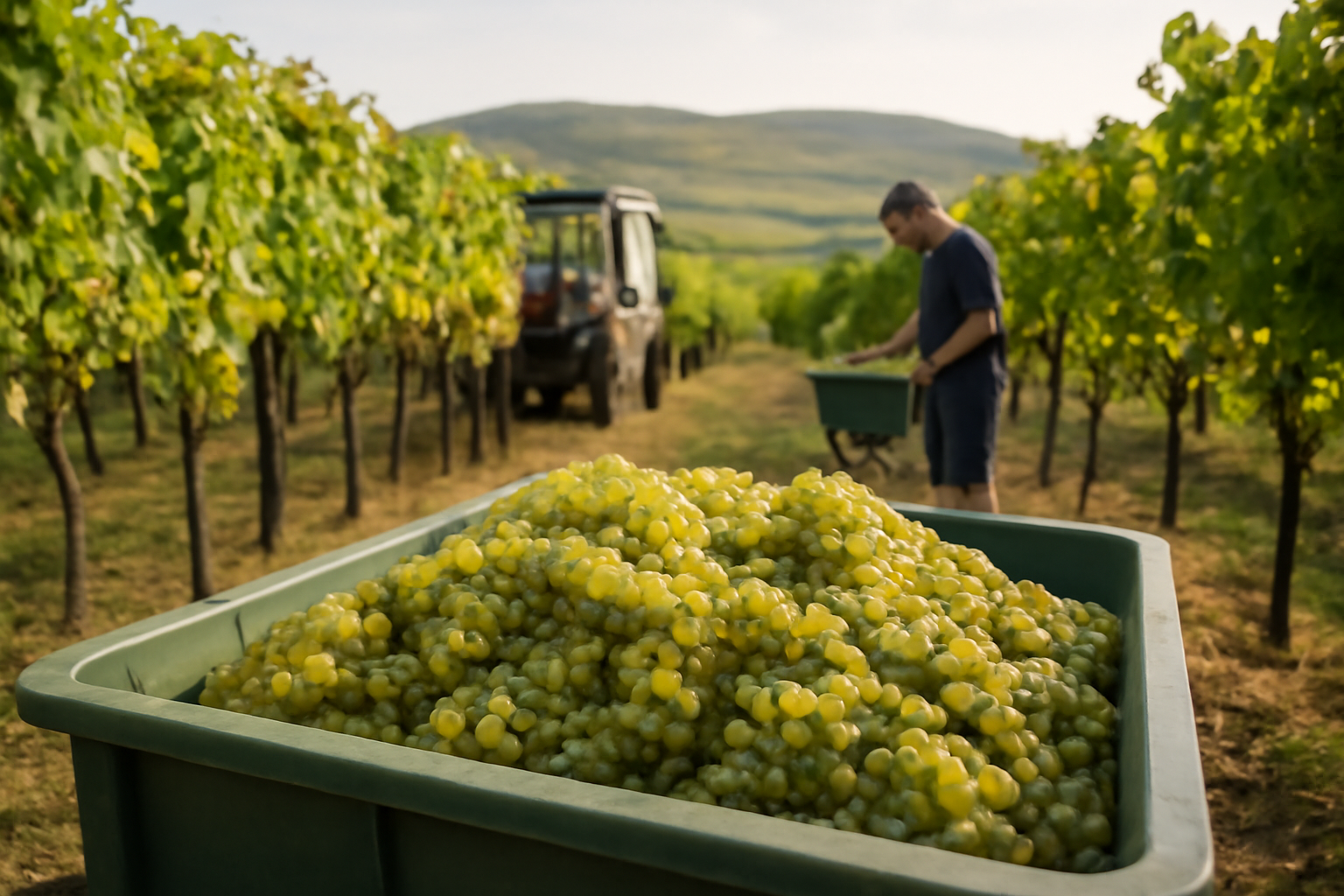
Final Riesling grapes are being collected
The Riesling harvest in Rhineland-Palatinate has entered its final stages, bringing the grape-growing season in Germany’s leading wine-producing region close to completion. The remaining fruit is now being collected after weather conditions created expectations of a particularly promising vintage.
The available report does not provide a final harvest date, production estimate or comparison with the previous season. It also does not quantify grape quality through sugar levels, acidity or other technical indicators. The initial assessment therefore describes the direction of the vintage rather than a confirmed commercial result.
For growers and wineries, the last picking decisions remain important. Fruit left on the vine continues to develop, while any deterioration in weather can alter its condition and restrict access to vineyards. Producers must balance additional ripening against the operational and quality risks associated with delaying collection.
Weather supports the quality outlook
Weather is identified as a central reason for the positive expectations surrounding this year’s Riesling crop. The report does not specify the relevant temperature, rainfall or sunshine data, but the favorable assessment suggests that conditions during the growing and harvest periods supported grape development and the timing of collection.
That distinction matters for Riesling because wineries can pursue different wine styles depending on the condition and maturity of the grapes at harvest. A promising crop may give producers more flexibility when allocating fruit among their portfolios, but the final outcome will depend on cellar assessments after pressing and fermentation.
No regional yield figure has yet been cited, so the supply implications cannot be measured from the information available. Strong grape quality does not automatically mean a large crop, and higher production does not by itself guarantee uniform quality. Vineyard-level results may also differ across Rhineland-Palatinate.
Commercial focus moves to the cellar
As harvesting ends, attention will shift from vineyard conditions to processing, fermentation and eventual classification of the wines. Wineries will assess how the fruit performs in the cellar before making firm decisions on volumes, product positioning and release schedules. Buyers and distributors will need those details before judging the vintage’s effect on availability.
The positive early outlook is nevertheless relevant for producers, processors and merchants connected to the Riesling market. Healthy, well-developed grapes can support a broader range of commercial options and strengthen confidence ahead of sales. A definitive assessment will require final production figures and technical evaluations from the completed vintage.