Renewables set to overtake coal as global power demand reaches 30,700 TWh by 2027
Renewables are forecast to raise their share of global electricity generation from 33% in 2025 to 37% by 2027, overtaking coal. Global consumption is expected to reach 30,700 TWh as solar leads new generation and high LNG prices reshape power markets.
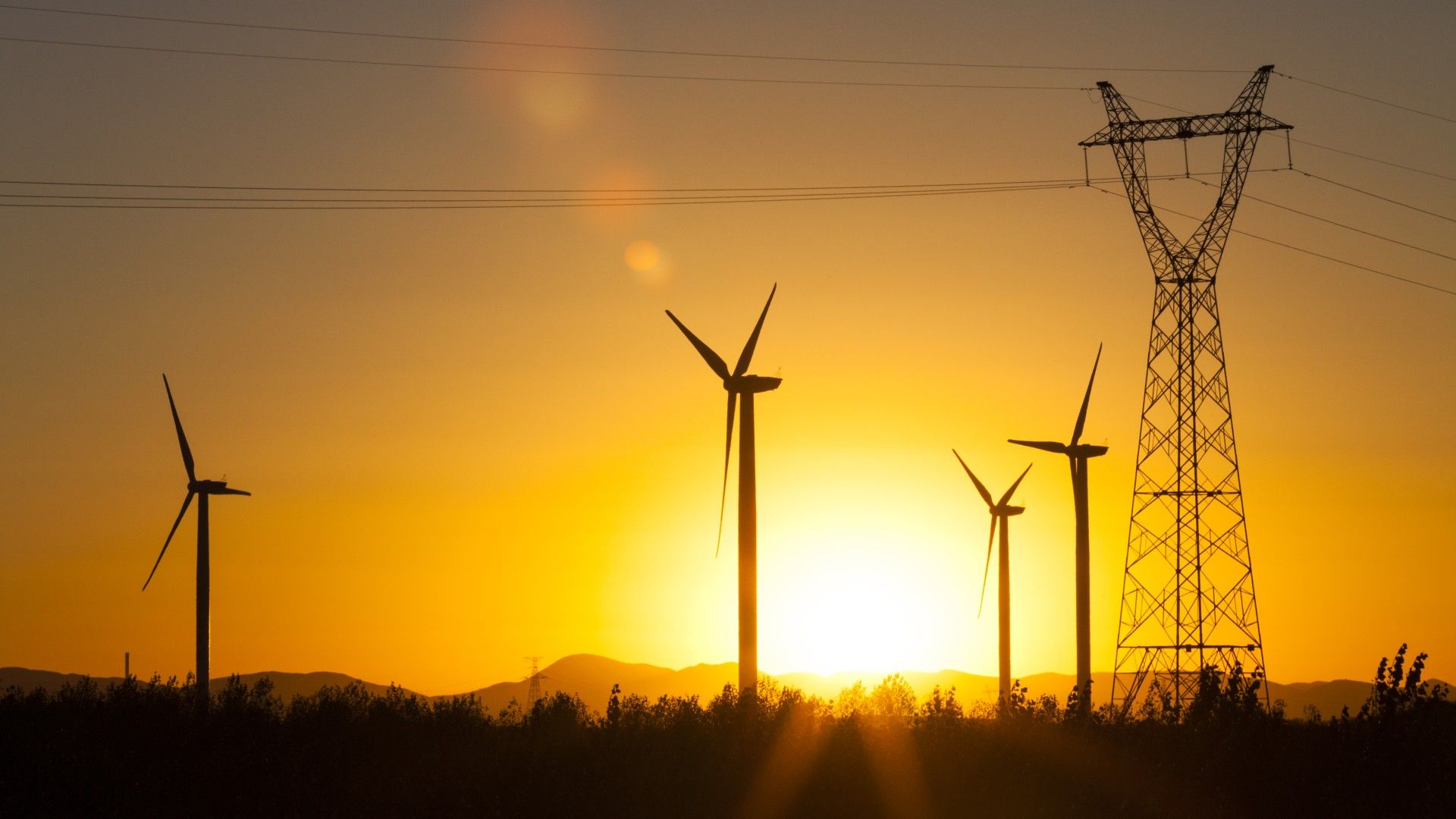
Electricity consumption heads toward 30,700 TWh
Renewables are set to overtake coal as the largest source of global electricity generation, according to an International Energy Agency analysis reported by Energetyka24. Their share of the power mix is forecast to rise from 33% in 2025 to 37% by 2027. Renewable generation is expected to expand by about 8% in 2026 and another 9% in 2027.
The shift will take place as global electricity consumption rises from 28,600 TWh in 2025 to 30,700 TWh in 2027. Demand is being supported by industrial production, the electrification of road transport and wider use of cooling and heating equipment. A stronger-than-expected El Niño could lift cooling needs further while reducing output from hydropower and wind.
Solar provides the largest increase
Solar photovoltaic generation remains the main driver of global electricity supply growth. It is projected to increase by 610 TWh in 2026, approximately matching the record addition achieved in 2025. China is expected to provide about half of the global increase. India and other Asian economies are also gaining importance: their combined contribution is forecast to rise from nearly 10% in 2025 to about 17% in 2026.
Wind generation is projected to grow by more than 6% in 2026, close to its 2025 pace. Growth in China is expected to slow because of lower wind speeds and increasing constraints. The European Union, by contrast, is forecast to recover from weather-related weakness in 2025, with wind output rising by 9% in 2026 and close to 10% in 2027.
LNG disruption supports temporary coal use
The closure of the Strait of Hormuz temporarily removed almost 20% of global LNG supply, although major economies adjusted through new projects and higher production. Energetyka24 reported that the disruption drove strong price volatility, with Asian and European gas prices reaching their highest levels since the 2022-2023 energy crisis. High gas prices have limited growth in gas-fired generation and encouraged greater coal use in the short term.
The IEA nevertheless expects renewables, nuclear power and natural gas to cover rising electricity needs and displace coal generation globally by 2027. Carbon dioxide emissions are therefore likely to be more stable, despite the temporary increase in coal use. Renewables have also helped diversify electricity supply and reduce exposure to fuel-market shocks.
European demand and prices rise
EU electricity demand increased by more than 2% in the first half of 2026. A colder winter raised heating requirements, while record heat in May and June increased cooling demand. Poland recorded a 14% annual increase in heating degree days and a 150% increase in cooling degree days. EU demand is forecast to grow by 1.3% in 2027.
Fossil-fuel generation in the EU rose by more than 3% year on year in the first half of 2026, even as renewable output returned to growth of more than 5%. Average wholesale electricity prices in the EU and Japan were about 30% higher year on year in the second quarter. Australia moved in the opposite direction: prices fell by about 45% as high renewable output and rapidly expanding battery capacity reduced reliance on gas-fired plants during peak demand.