Reliance proposes ₹2.73 lakh crore underground coal-gasification complex in Andhra Pradesh
Reliance Industries has proposed investing ₹2.73 lakh crore over 30 years in an integrated underground coal-gasification complex in Andhra Pradesh. The three-phase project would use coal resources at the Chintalapudi and Recherla blocks to produce syngas for fuels and chemicals, subject to successful exploration.
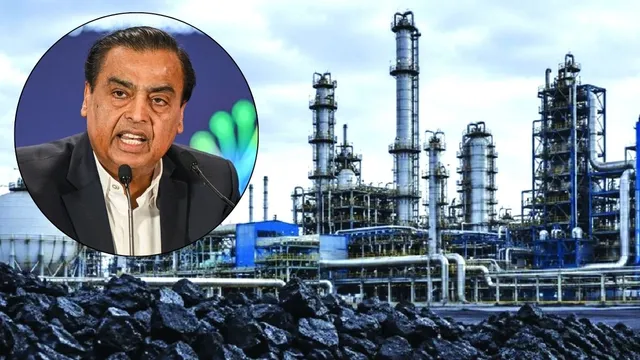
Reliance outlines a 30-year investment
Reliance Industries has proposed building what would be India’s first integrated underground coal-gasification complex in Eluru district, Andhra Pradesh, according to Jagran. The company has submitted a plan involving total investment of about ₹2.73 lakh crore over 30 years, divided into three phases.
The proposed complex would be developed at the Chintalapudi and Recherla coal blocks, which Reliance recently secured through a coal-block auction. Jagran reports that the two blocks contain an estimated 3.13 billion tonnes of coal. Implementation of the wider investment program is conditional on the initial exploration campaign proving successful.
The proposal is therefore a long-term development framework rather than a committed production schedule. The source material does not provide construction dates, annual syngas capacity, operating costs or commissioning targets for the three phases. Those details will be central to assessing the project’s commercial scale and its potential contribution to India’s energy and chemical markets.
Coal converted underground into syngas
Underground coal gasification converts coal into synthesis gas while the resource remains below ground. Heat, steam and a controlled amount of oxygen are used to generate syngas instead of extracting the coal and burning it directly. The resulting gas can serve as an input for chemicals and fuels.
The proposed integration of coal resources with downstream conversion could give Reliance a domestic feedstock source for energy and chemical production. For Indian fuel and chemical buyers, the commercial impact would depend on the quality, volume and cost of the syngas, as well as the products ultimately manufactured from it.
Jagran says the technology could produce energy without conventional excavation and presents it as reducing environmental damage. However, the supplied project information contains no quantified data on emissions, water use, land impacts or carbon-management systems. These factors, together with geological performance and process control underground, will be important in regulatory and investment reviews.
Import dependence and employment
The project aligns with India’s National Coal Gasification Mission, which seeks large-scale conversion of coal into gas by 2030. Its strategic rationale is to use domestic coal to supply raw materials for fuels and chemicals and thereby reduce exposure to imported crude oil.
Whether it materially lowers imports will depend on the project’s eventual output and the degree to which its products replace crude-derived feedstocks. No estimate of displaced crude-oil volumes or import savings was included in the supplied information. The proposed 30-year horizon also means any effect would emerge in stages rather than immediately.
Reliance expects the development to create between 3,000 and 5,000 direct jobs and between 20,000 and 35,000 indirect jobs, according to Jagran. The project could consequently become a substantial industrial investment for Andhra Pradesh if exploration supports development and the three phases proceed.
For producers, processors and investors, the next key evidence will be exploration results, phase-by-phase capital allocation, syngas capacity and downstream product plans. Regulatory approvals and technical performance will determine whether the estimated coal resource can support a commercially viable integrated complex over the proposed operating period.