Record Russian Buckwheat Imports Put Pressure on Kazakhstan’s Growers
Kazakhstan imported a record 11,800 tonnes of Russian buckwheat worth $2.3 million in January-July 2026. The inflow is weighing on domestic purchasing prices as Kazakh farmers begin selling their new harvest.
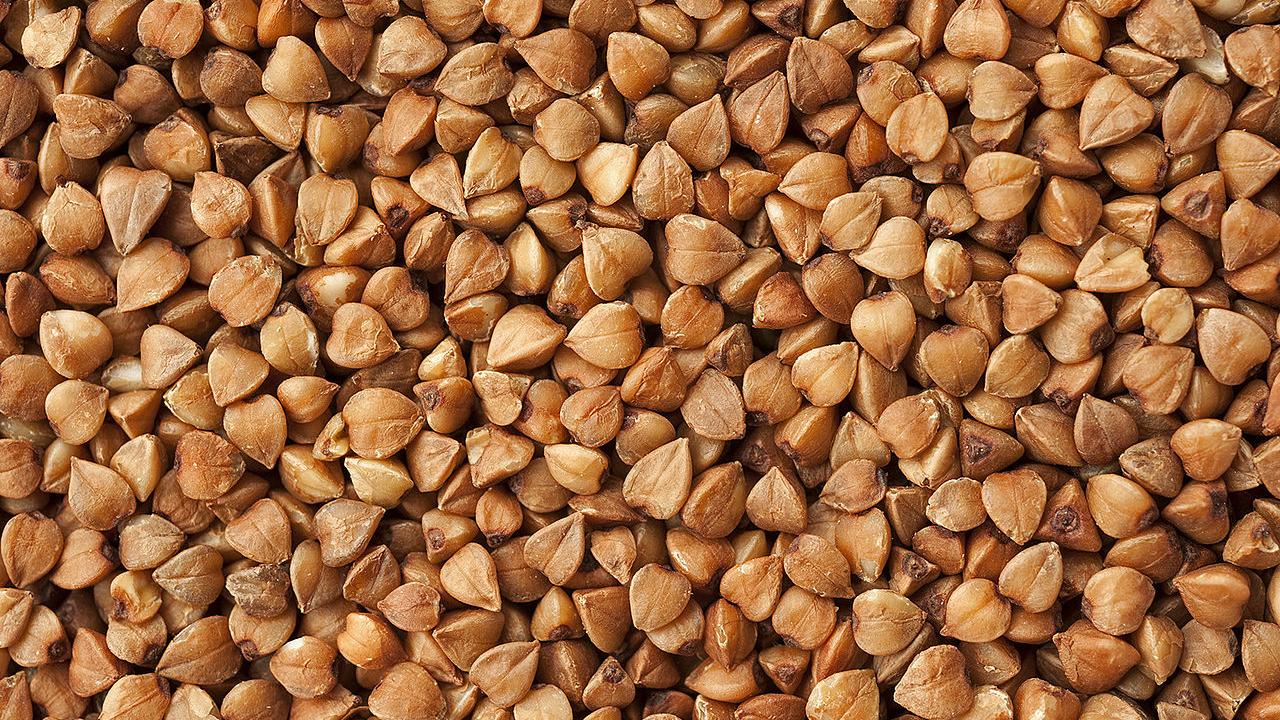
Seven-month imports exceed the previous annual record
Kazakhstan imported 11,800 tonnes of buckwheat from Russia for $2.3 million in January-July 2026, setting a new record before the end of the year. Azh.kz, citing APK Novosti and Russia’s Agroexport, reported that the volume was 18 times higher than in the same period of the previous year, while the value of the shipments increased 26-fold.
The seven-month total has already surpassed Kazakhstan’s previous full-year record. Imports reached 9,600 tonnes in 2022, meaning deliveries in January-July 2026 were 2,200 tonnes above that annual peak. The figures indicate that the expansion reflects both a sharp increase in physical supply and a higher average declared value per tonne than a year earlier.
Russian surplus arrives as Kazakhstan markets its harvest
The increase is linked to Russian traders selling surplus buckwheat from the 2025 harvest abroad amid low domestic prices in Russia. Kazakhstan is a neighboring member of the Eurasian Economic Union and a major consumer of buckwheat, making it an accessible outlet with few customs barriers, according to Ulysmedia.kz.
The timing is particularly difficult for Kazakh producers. Imported grain is reaching the domestic market as local farmers begin selling their new crop. The additional supply is putting pressure on purchasing prices and intensifying competition between carryover Russian stocks and freshly harvested Kazakh buckwheat.
Producers may have to accept lower bids or place their crop in storage while waiting for better market conditions. Pravda.ru identified farms in the Akmola, Pavlodar and Karaganda regions as especially exposed. Ulysmedia.kz reported that smaller farms could face prices below profitable levels, while prolonged storage creates a risk of quality losses and adds costs.
Planting decisions could reshape future supply
Consumers may benefit in the short term if cheaper imported supply translates into lower retail prices for buckwheat groats. The impact on processors will depend on the prices and quality available from Russian and Kazakh suppliers, but a larger pool of raw material gives buyers more leverage during the domestic harvest campaign.
If the import pace continues through the end of 2026, some Kazakh farmers may reduce the area planted with buckwheat next season and switch to crops offering better margins, Azh.kz reported. Such a response would help individual farms limit exposure to weak prices, but it could also reduce Kazakhstan’s domestic production base. Greater reliance on Russian supply would leave the market more sensitive to a poor harvest or a price increase in the neighboring country. The immediate issue is therefore not a shortage, but whether local growers can sell the 2026 crop at prices that justify planting buckwheat again.