Record Caspian freight rates stall Kazakh barley exports to Iran
Kazakhstan’s barley exports to northern Iran are stagnating as vessel shortages push freight from Aktau to a record $74 per tonne. Suppliers are redirecting sales toward China and Central Asia, while wagon shortages and stronger domestic demand add pressure to grain prices.
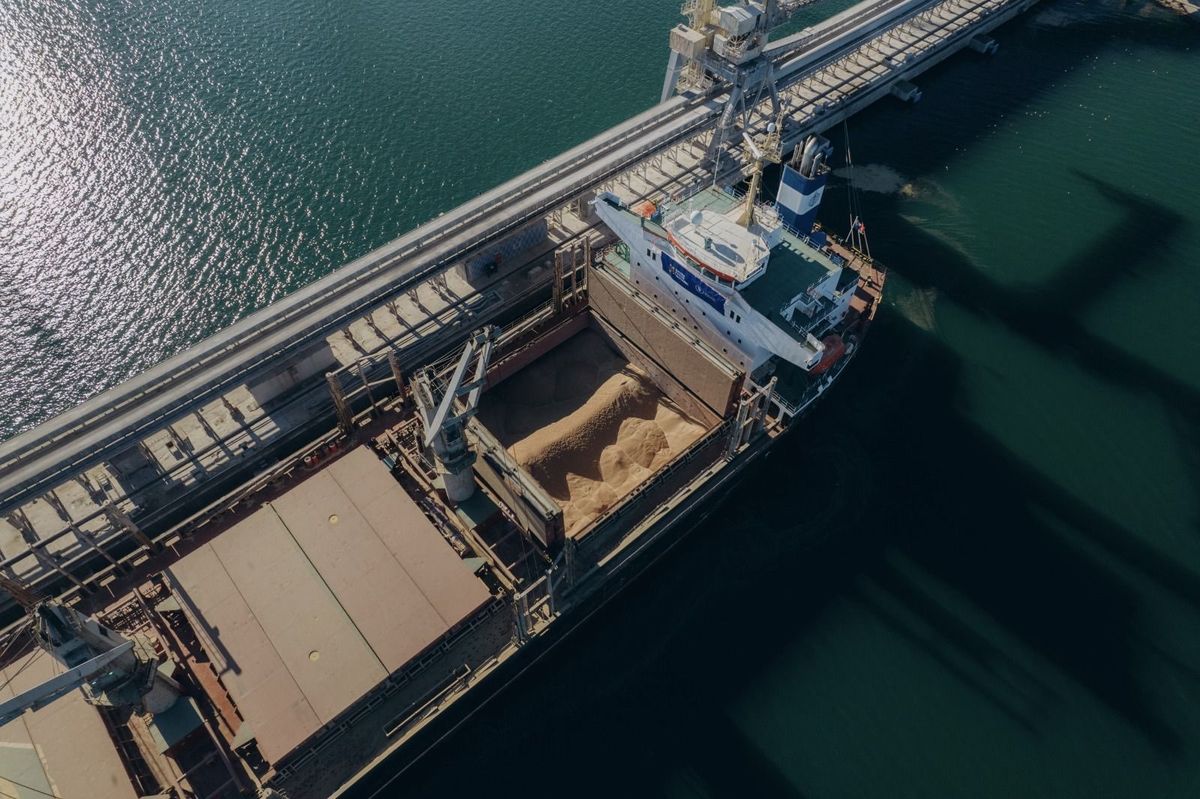
Vessel shortage drives Caspian rates to records
Kazakhstan’s barley exports to Iran are stagnating as an acute shortage of available vessels sends Caspian freight costs to unprecedented levels. UkrAgroConsult reported, citing the Grain Union of Kazakhstan, that freight from Aktau to ports in northern Iran rose by another $4 per tonne in one week to $74 per tonne.
The alternative route from Astrakhan remains considerably more expensive. Its freight rate increased by $5 per tonne to $115 per tonne. Grain Union analyst Evgeny Karabanov said such rates had not previously been recorded on either route.
The increases directly weaken the competitiveness of Kazakh barley in northern Iran. Freight is a large component of the delivered price across the Caspian Sea, leaving exporters with a choice between absorbing part of the increase, raising offers to Iranian buyers or postponing shipments until vessels become available at lower rates.
Export activity shifts east and south
While the Iranian corridor has stalled, Kazakhstan’s barley exports are becoming more active toward China and Central Asian countries. This shift gives suppliers alternative outlets, but it also concentrates more demand on rail routes already affected by equipment shortages and congestion.
Export prices increased during the week across the principal trading bases cited by UkrAgroConsult. Barley gained $3 per tonne on a DAP Saryagash basis and $5 per tonne on both FOB Aktau and DAP Dostyk/Altynkol terms. The rise at Aktau shows that prices have strengthened even as the cost of onward maritime transport limits business with Iran.
China can provide an important alternative destination through the Dostyk and Altynkol border crossings. Central Asian buyers can also take grain through Saryagash. However, these corridors do not fully replace the commercial role of northern Iran, particularly for traders and logistics companies built around Caspian shipments.
Rail constraints add pressure inside Kazakhstan
Barley prices also continued to rise in Kazakhstan’s domestic market as demand improved among feed-flour producers and exporters. At the same time, an acute shortage of rail wagons is complicating grain logistics. UkrAgroConsult linked the shortage to wagon downtime at loading and unloading stations, which reduces fleet availability even when export demand is present.
The combination of record Caspian freight and insufficient rail capacity creates constraints at both stages of the supply chain. Exporters first need wagons to move barley toward Aktau or land-border crossings, then vessels to carry cargo from the Caspian port. Delays and higher transport charges can narrow trading margins and make shipment timing less predictable for sellers and buyers.
Kazakhstan’s wheat market remains broadly stable, although fourth- and fifth-class wheat became more expensive because of limited new-crop supply and stronger domestic demand. Central Asian importers continue to buy Kazakh wheat at current prices. For barley, renewed shipments to Iran will depend principally on vessel availability and whether freight from Aktau retreats from $74 per tonne to a level that restores the corridor’s competitiveness.