Record Brazilian harvest strains diesel supply and raises farm costs
Brazil’s soybean and cotton planting season is pushing diesel demand toward its annual peak as global supplies remain constrained. Greater reliance on US cargoes and low US inventories expose farmers and fuel buyers to higher costs and disruption risks.
Planting and harvesting drive a demand surge
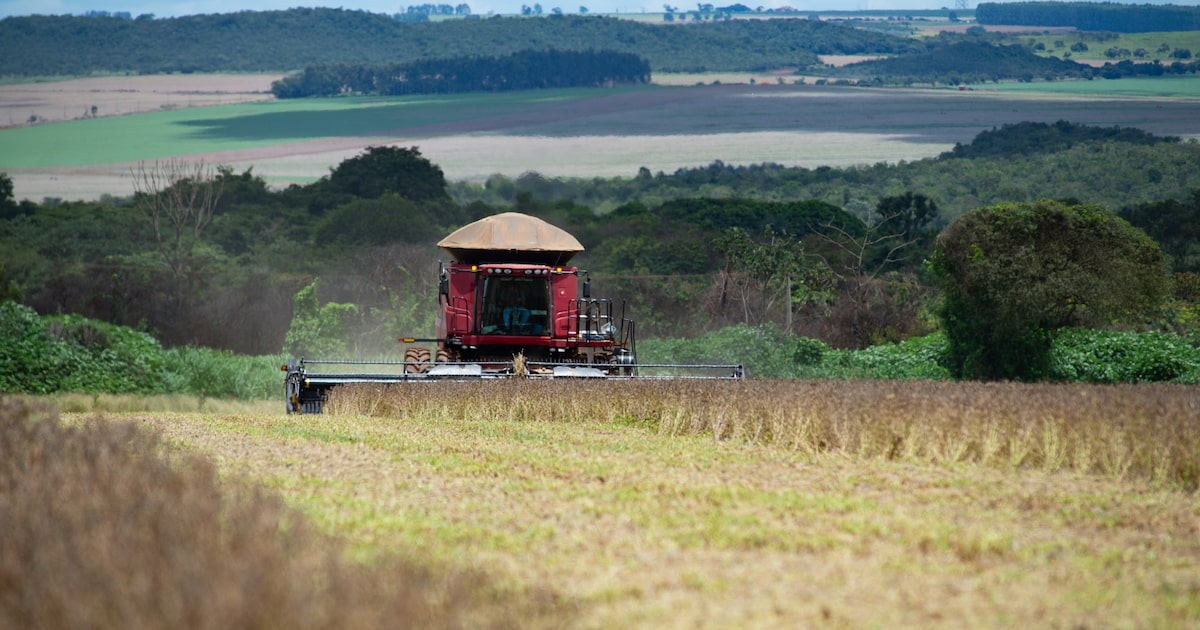
Brazil is entering a crop season expected to deliver record soybean production, but the expansion is colliding with a tight global diesel market. Bloomberg reports that soybean and cotton planting, combined with sales and transport of the newly harvested winter corn crop, will push fuel use toward its seasonal peak.
The overlap between planting and harvesting raises Brazilian diesel demand to almost 200,000 barrels a day above off-season levels. Farmers need the fuel for tractors, harvesters and trucks, making diesel prices a direct component of production and logistics costs. Producer Irineu Orth is preparing to plant 22,000 acres in Bahia in mid-September after completing his winter harvest.
The pressure has implications beyond farms. Brazil is the world’s largest exporter of several major crops, including soybean, cotton, coffee, sugar and orange juice. Higher field and transport expenses can therefore move through processing, domestic freight and international agricultural supply chains.
US dependence grows as alternative supplies tighten
Brazil is the world’s second-largest diesel importer after Australia. Vortexa data show that Brazilian imports of diesel and gasoil peaked in September in three of the past four years. Farmers are now facing the highest seasonal diesel prices in four years, although domestic prices have declined from their March peaks.
US suppliers once accounted for more than 80% of Brazil’s imported diesel, but their share fell after Russia’s invasion of Ukraine in 2022 redirected Russian fuel from Europe toward Turkey, Brazil and African markets. That pattern shifted again in July, when a Russian export ban led Brazil to purchase its largest volume of US diesel in almost four years, according to customs data compiled by Bloomberg. Imports from Russia fell by more than half compared with May.
Other potential suppliers are also constrained. Shipments of refined products through the Strait of Hormuz have fallen to minimal levels amid the war in Iran, while the United Arab Emirates and Saudi Arabia have been affected by interruptions and resumptions in maritime traffic. Russia’s ban, imposed during Ukrainian attacks on refineries, has tightened the market further.
Refineries leave little buffer for disruption
Brazilian refineries are operating efficiently at close to 95% utilization, according to Rystad Energy’s Susan Bell, but the country still needs imports to cover demand. Petrobras refineries running at high rates have helped pull prices below their March peaks, although Energy Aspects analyst Isabella Chiodi questioned how sustainable those operating levels are.
The United States offers limited protection. US diesel production is well above the seasonal average, margins are near historical highs and exports reached a weekly record in early August. Even so, inventories are at their lowest seasonal level on record ahead of the US harvest and the period when heating companies begin building heating-oil stocks. Heating oil is effectively interchangeable with diesel.
Shipping economics may provide temporary diversification. Sparta Commodities analyst Nikolas Plonski said diesel from Ulsan, South Korea, is currently the most viable option for Santos, while US cargo economics have weakened. That advantage lasts only through the end of October; Houston exports are expected to become viable again as Brazilian demand remains elevated through December. Bell said the market may avoid a full crisis, but an unplanned shutdown at a major US refinery could sharply increase Brazil’s import needs and expose farmers, distributors and crop exporters to another rise in costs.