Raw-material shortage constrains Uganda’s oilseed processors
Ugandan processors are struggling to secure enough groundnuts and soybeans for cooking oil, animal feed and groundnut paste. AgriNet bought only 240 tonnes over the past year against the 1,444 tonnes it needs annually to run at full capacity.
Processors compete for limited oilseed supplies
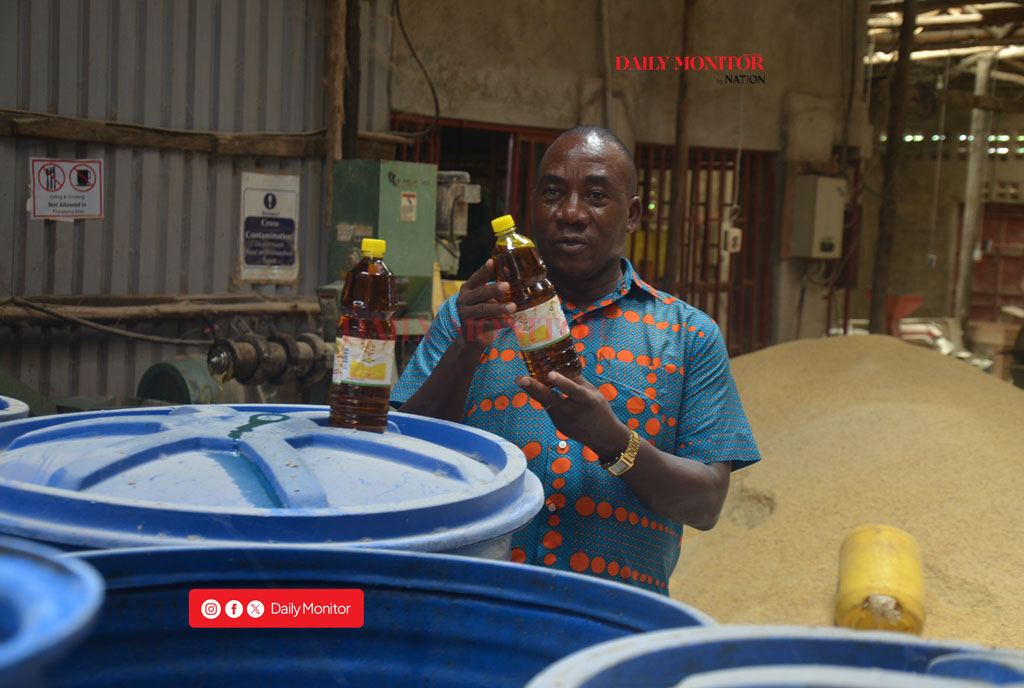
Uganda’s oilseed processors are struggling to obtain enough groundnuts and soybeans to meet demand for cooking oil, animal feed and groundnut paste, according to the Daily Monitor. The shortage is restricting the amount of raw material available to processing plants and widening the gap between installed capacity and actual production.
AgriNet, an agribusiness company operating in Tororo District, illustrates the scale of the constraint. The company requires about 1,444 tonnes of oilseeds each year to operate at full capacity. Its purchases doubled from 120 tonnes to 240 tonnes over the past year, but the latest volume still covers only about one-sixth of its annual requirement.
That shortfall leaves processing equipment underused even as demand for the company’s products grows. For processors, a lack of seed affects several revenue streams at once: oil extraction, the production of protein-rich feed ingredients and the manufacture of groundnut paste all depend on reliable deliveries from farmers and traders.
Northern Uganda expands its oilseed role
Northern Uganda is emerging as the country’s main oilseed-producing area. The Daily Monitor reports that sunflower and soybean farmers in the region are responding to strong demand from processors. Higher farm output could direct more raw material toward domestic factories, although AgriNet’s procurement figures show that processors remain far from securing the volumes they need.
The shortage also exposes the importance of coordination between growers and plants. Processors require predictable quantities to keep machinery operating, while farmers need dependable buyers for crops harvested during specific periods. When available supply falls below factory demand, plants cannot spread their operating costs across full production volumes.
Groundnuts and soybeans serve partly different markets, but both shortages affect Uganda’s food system. Groundnuts support paste production and direct food consumption. Soybeans supply vegetable oil and meal used in animal feed, linking oilseed availability to livestock and poultry producers as well as food manufacturers.
Edible-oil deficit raises pressure on supply
Uganda has a national edible-oil deficit of 350,000 metric tonnes, according to the Daily Monitor. The deficit gives domestic processors a substantial market opportunity, but insufficient local oilseed supply limits their ability to convert that demand into higher output. Expanding crushing capacity alone cannot resolve the imbalance if factories cannot procure enough seed.
Lower utilization may also constrain the availability of oilseed meals and other processing by-products used in animal feed. The effects therefore extend beyond bottled cooking oil: feed manufacturers and livestock producers also depend on the volumes generated when soybeans and other oilseeds are crushed.
For Uganda, the central challenge is to raise farm supply and connect it consistently with processors. Until purchases move closer to plant requirements, factories such as AgriNet will continue operating below capacity, while the edible-oil deficit will sustain the need for supplies from outside domestic production. Northern Uganda’s expanding sunflower and soybean sector offers a potential source of growth, but current procurement volumes show that the raw-material gap remains large.