Rainfall Shortfall Cuts Tea-Leaf Supply and Factory Output in India’s Nilgiris
El Niño-linked dryness and a severe rainfall shortage have reduced green tea-leaf availability in the Nilgiris district of Tamil Nadu. Lower factory output is putting the income of more than 65,000 small growers at risk.
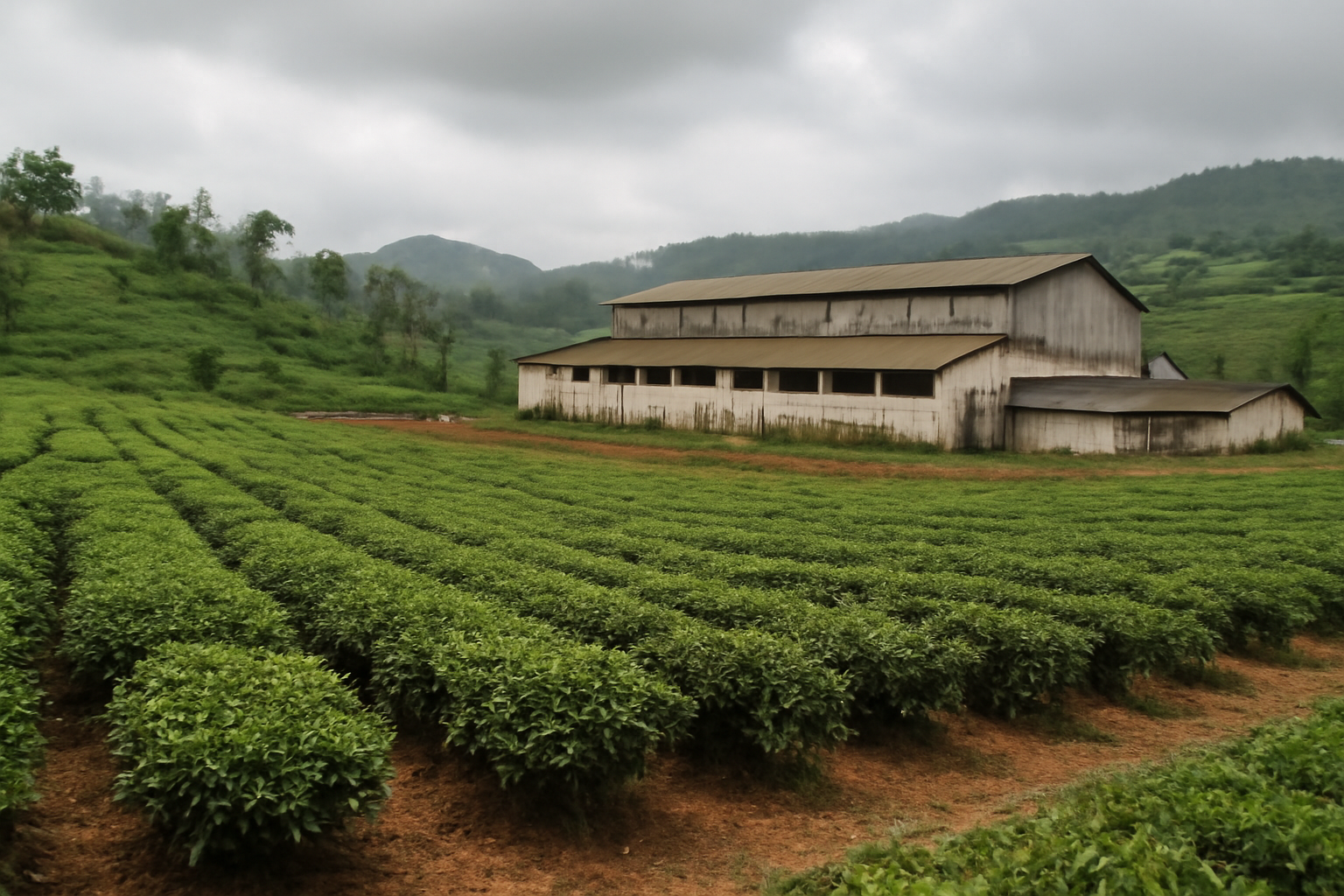
Dry weather squeezes a major tea-growing district
A severe rainfall shortage linked to El Niño has damaged tea cultivation in the Nilgiris district of Tamil Nadu, reducing the supply of green leaves available to local factories. The disruption is affecting one of India’s established tea-producing areas and placing pressure on more than 65,000 small growers whose earnings depend on selling harvested leaves.
The available reporting does not specify the size of the rainfall deficit or give a percentage decline in leaf supply. It nevertheless describes the fall in availability as sharp and says factory production has decreased as a direct consequence. With less green leaf reaching processing lines, factories cannot maintain their previous output even if installed capacity remains unchanged.
Growers face an immediate income shock
For smallholders, the central problem is the loss of saleable volume. Green leaf is their primary commercial output, so a weaker harvest directly reduces the quantity they can deliver to factories. The impact is therefore felt before any later changes in processed-tea prices or trade flows become visible.
The number of affected growers makes the disruption broader than a problem at individual estates. More than 65,000 small producers are exposed to the same weather-driven contraction in supply. Their ability to absorb the decline will depend on how long dry conditions persist and how quickly tea bushes recover when rainfall improves, but no recovery timetable was provided in the source material.
Factories receive less raw material
The supply shock also changes operating conditions for tea processors. Green leaves must first be delivered by growers before factories can produce finished tea. When incoming volumes fall, plants have less material to process, lowering output and leaving part of their production capacity unused. The reported reduction in factory production is therefore closely tied to conditions in the fields rather than to a stated closure or permanent loss of capacity.
No figures were supplied for factory utilisation, processed-tea output or financial losses. That limits any assessment of the effect on wider Indian tea availability. The immediate direction is clear, however: fewer harvested leaves mean less factory throughput in the Nilgiris, with growers and processors sharing the operational consequences.
Market effects depend on the duration of the shortfall
A prolonged supply reduction could tighten the amount of Nilgiris tea available to buyers, while a short disruption may remain concentrated at the farm and factory level. The source material provides no price data and does not identify changes in domestic sales, exports or purchases by individual companies. It is therefore too early to quantify the consequences for tea traders, importers or consumers.
The key variables for the district are rainfall, the recovery of green-leaf availability and the resulting pace of factory production. Until those improve, more than 65,000 small growers remain exposed to lower harvest volumes and weaker earnings. For processors, the same shortage means reduced use of existing facilities and less finished tea to market.