Rain could leave record 35 million tonnes of Brazilian sugarcane unprocessed
Excessive rain could leave about 35 million tonnes of sugarcane from Brazil’s 2026/27 Center-South crop to be processed in the following season, Datagro estimates. Lower sugar content, field lodging and rising impurities could curb sugar output and divert more cane to ethanol.
Record carryover threatens the 2026/27 harvest
Excessive rainfall in Brazil’s Center-South could leave about 35 million tonnes of sugarcane from the 2026/27 crop unprocessed until the following season, according to Datagro President Plinio Nastari. The projected carryover would exceed the previous record of 24 million tonnes registered in 2015/16, creating an unusually large volume of standing cane for mills to manage.
The weather has disrupted harvesting while also reducing the quality of the raw material, NovaCana reported. Although moisture supports biomass growth, too much water lowers total recoverable sugar, known in Brazil as ATR. Nastari said prices had reacted to the situation, but mills were unable to produce as much sugar as they wanted. The problem therefore concerns not only the quantity of cane reaching factories, but also the amount of marketable sugar that can be recovered from each tonne.
Lodging and impurities reduce industrial efficiency
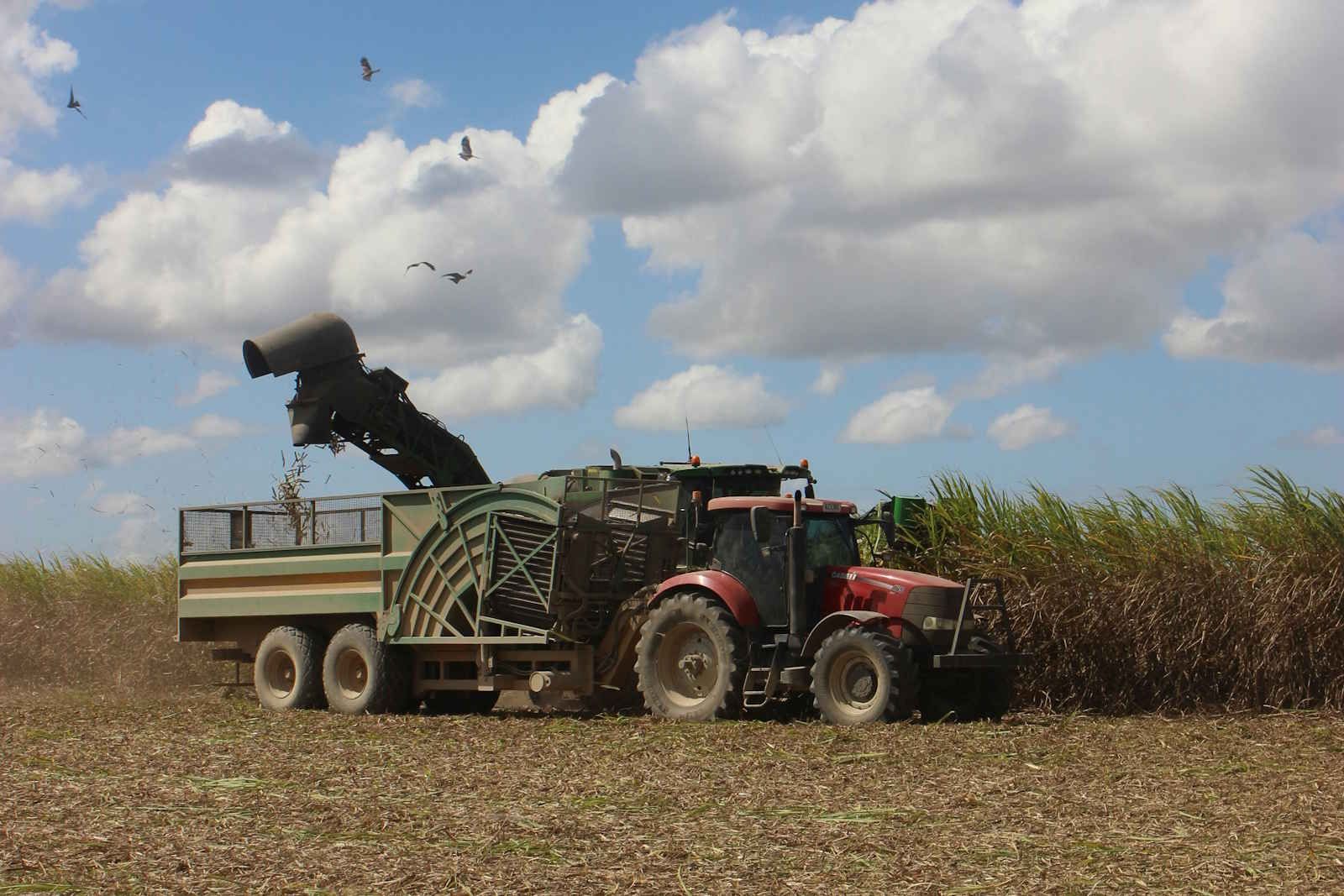
Wet conditions make sugarcane heavier and increase lodging, when stalks fall over in the field. Lodged cane is harder to harvest mechanically because equipment struggles to remove the tops correctly. More leaves and other plant material are consequently transported to mills, raising vegetal impurities and reducing processing efficiency.
Some fallen stalks can also take root, causing harvesting equipment to collect more soil with the cane. Nastari said the combination of vegetal and mineral impurities lowers industrial yields and makes sugar production more difficult. High humidity also favors pests such as the sugarcane spittlebug. Damage caused by the insect can create openings in stalks that facilitate bacterial and fungal activity, adding another risk to raw-material quality.
Crushing may run into March and favor ethanol
Center-South crushing normally ends in November, but Datagro expects the 2026/27 campaign may extend until late February or early March. That would expose harvesting and processing to a period that may also be wetter, potentially compounding field access, quality and milling problems. Cane left standing for longer will also have to compete for capacity with the operational demands of the next crop.
The composition of output could change as mills respond to those constraints. Nastari said some of the cane may be directed to ethanol rather than sugar because moisture interferes with the crystallization required for sugar manufacturing. For sugar producers, traders and buyers, the crucial variable will therefore be recoverable sugar rather than headline biomass alone. A large crop can still deliver less sugar than expected when ATR falls and impurities rise. Ethanol plants may absorb part of the delayed material, but the record carryover would prolong operational pressure on mills and add uncertainty to expectations for Brazilian sugar availability.