Rabobank expects global phosphate fertilizer demand to fall 7% in 2026 as sulphur costs surge
Rabobank forecasts a 7% decline in global phosphate fertilizer demand in 2026, citing high prices, supply disruptions and rising production costs. A near 40% year-on-year drop in sulphur exports in the first half of 2026 pushed raw material prices to historic highs. Urea demand is seen down about 5%, while potash demand stays close to 2025 levels.
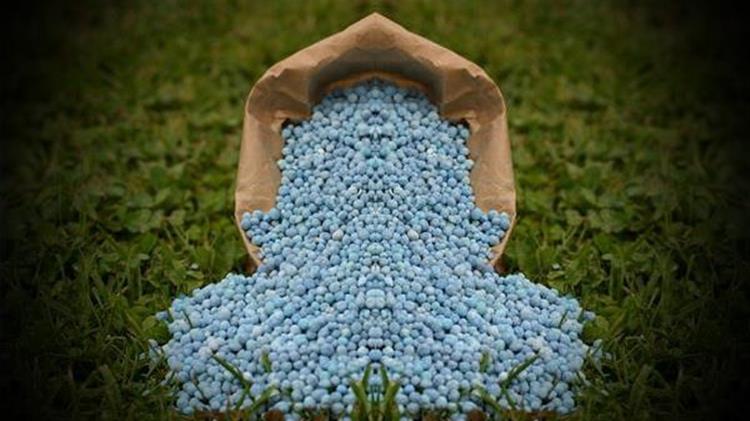
Global demand for phosphate fertilizers is expected to fall by 7% in 2026, according to the latest estimates from Rabobank, as high prices, supply chain disruptions and the limited financial capacity of farmers continue to weigh on the market. The forecast, published by the Greek agricultural outlet agrocapital.gr, places phosphates at the weak end of a fertilizer complex that is otherwise stabilising.
Sulphur squeeze drives the phosphate downgrade
Rabobank identifies phosphates as the most troubled segment of the fertilizer market, with higher production costs and supply restrictions curbing demand. The decisive factor is sulphur. Global sulphur exports fell by almost 40% year on year in the first half of 2026, driving raw material prices to historic highs and lifting the cost of producing phosphate fertilizers.
Sulphur sits at the base of the phosphate cost structure: it is converted into sulphuric acid, which is used to process phosphate rock into finished products such as DAP and MAP. A supply shock of that scale therefore reaches farmgate prices with little dilution, and it lands in a season when growers already have limited room to absorb higher input bills.
Nitrogen improves while potash holds
In nitrogen fertilizers the picture is gradually improving. Urea prices have retreated from the highs recorded after the escalation of tensions in the Middle East, although volatility remains pronounced. Rabobank expects global urea demand to fall by around 5% in 2026.
Potash is the steadiest of the three main nutrient groups. Supply has been less exposed to geopolitical developments and transport problems, and the bank forecasts that global potash demand will remain roughly at 2025 levels. The divergence matters for buyers building 2026 purchasing programmes: the nutrient under the heaviest cost pressure is also the one facing the sharpest demand loss.
Rabobank's 2026 global demand forecast
- Phosphate fertilizers: demand down 7% against 2025
- Urea: demand down around 5%
- Potash: demand roughly unchanged from 2025
Australia shows how buyers are adjusting
Australia offers an early read on buyer behaviour. No serious fertilizer shortages have been recorded in the country, but high prices have already begun to influence growers' decisions. Australia has imported 2.92 million tonnes of urea since November 2025, a volume roughly 15% below recent averages.
Farmers are adapting their practices rather than waiting for prices to fall. They are cutting application rates, revising cropping plans and shifting toward production systems with lower nitrogen requirements, as input costs remain elevated.
For the trade, the combination is unusual: supply-side constraints are setting prices while demand destruction sets volumes. Phosphate exporters face weaker offtake at a moment when their own input costs are rising, and importers in price-sensitive markets are the first to step back. If sulphur availability does not improve, the 7% contraction Rabobank projects for phosphates will be the market's clearing mechanism rather than a sign of ample supply.