Rabobank sees Brazil's soybean expansion pausing, output to fall in 2026/27
Rabobank expects Brazil's long run of soybean area growth to stall in the 2026/27 crop and forecasts lower national output. The bank blames compressed farmer margins from weak prices and tighter credit conditions that discourage new plantings in the world's largest soybean exporter.
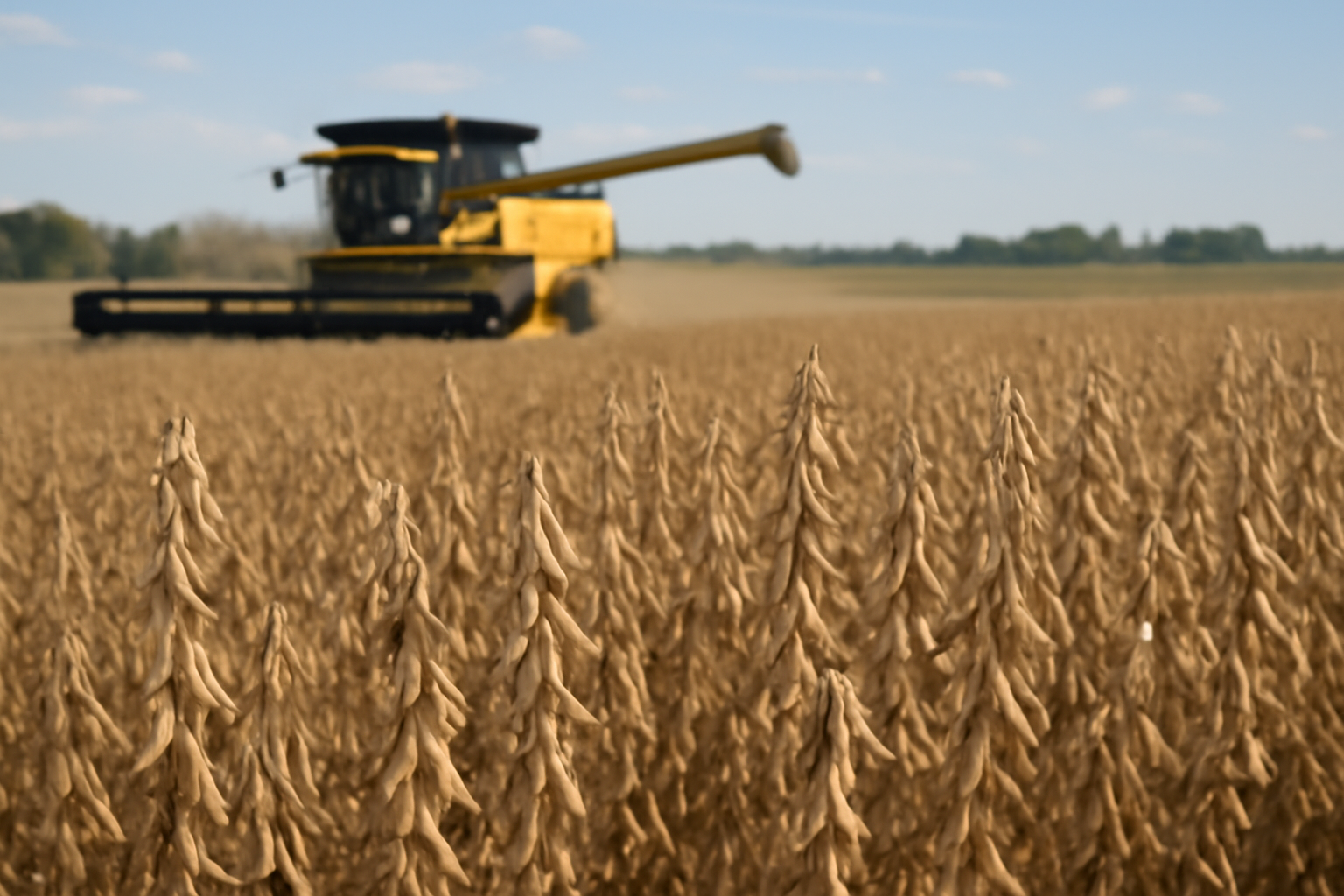
Rabobank projects a pause in Brazil's soybean expansion
Rabobank expects the steady growth of Brazil's soybean area to stall in the 2026/27 crop and forecasts a decline in national output, a break from years of record plantings. The bank attributes the shift to two pressures hitting farmers at once: commodity prices that have compressed margins and credit conditions that have grown more restrictive.
Brazil is the world's largest soybean exporter, and its expanding harvests have made it the anchor supplier for importers led by China. A pause in area growth, followed by lower production, would be the first significant interruption to a trend that has defined the country's grain sector for more than a decade.
Low prices erode grower margins
According to Rabobank, weak soybean prices are the central problem. With revenue per hectare under pressure and input costs still elevated, the profit that once justified converting new land to soybeans has narrowed. When margins thin, producers become reluctant to expand planted area or absorb the cost of opening additional fields.
The squeeze is sharper for growers on Brazil's agricultural frontier, where clearing and preparing new ground carries higher upfront costs than replanting established land. At current price levels, Rabobank's analysis implies those investments no longer pay off reliably, removing the incentive that drove successive rounds of expansion.
Tighter credit raises the cost of growth
The second constraint is financing. Brazilian farmers rely heavily on credit to fund seed, fertiliser, machinery and land, and Rabobank points to more restrictive credit conditions as a further disincentive to expansion. Costlier or scarcer financing makes area growth harder to justify when the expected return is already slim.
Low prices and tight credit reinforce each other. Producers facing weaker cash flow have less room to service debt, while lenders wary of thin margins turn more cautious — a combination that discourages the risk-taking behind new plantings.
Implications for supply and trade
A smaller Brazilian crop in 2026/27 would tighten the global soybean balance, given the country's weight in world exports. Buyers in China and other importing markets have grown accustomed to rising Brazilian availability; a step back in production could shift sourcing patterns and support prices, even though those same weak prices are what discourage expansion in the first place.
Rabobank frames the outlook as a pause rather than a reversal. The underlying capacity to grow soybeans in Brazil remains, but the economics that drove relentless expansion have, for now, turned less favourable. Whether the trend resumes will depend on where prices settle and how quickly credit conditions ease.