Queensland’s 11th Panama Disease Detection Intensifies Search for Cavendish Alternatives
Queensland has recorded an 11th detection of the soil-borne fungus responsible for Panama disease. Growers and researchers are pursuing genetically modified and conventionally bred bananas that could protect production of the globally dominant Cavendish variety.
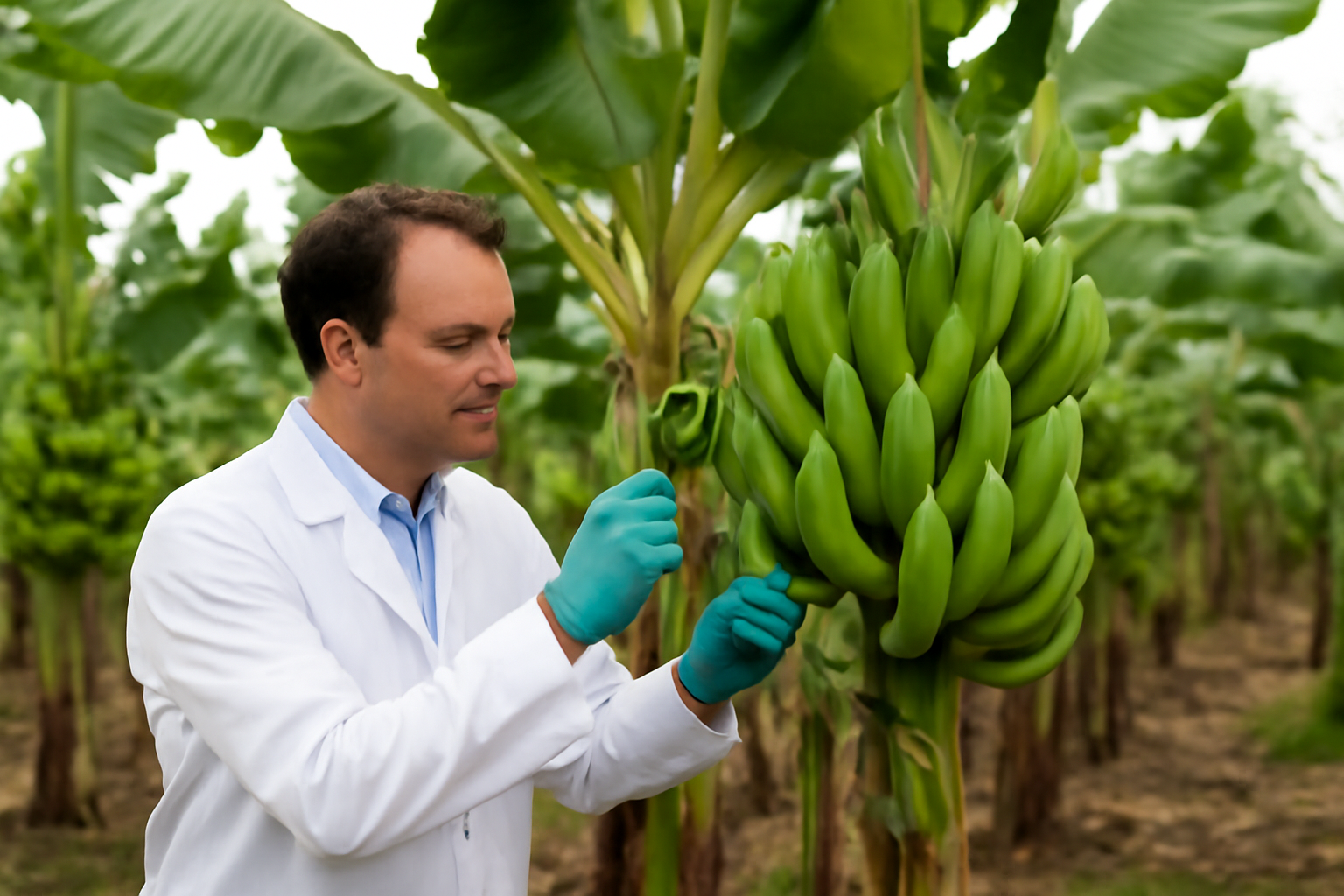
Another detection raises pressure on growers
Queensland has recorded an 11th detection of the soil-borne fungus responsible for Panama disease, adding to concerns over the future of Cavendish banana production. The variety is the world’s most popular banana and dominates the global market, making disease resistance a priority for growers, researchers and plant breeders.
The latest finding shows that containment remains difficult when a pathogen persists in soil. Once a farm is affected, the problem is not limited to a single harvest: the presence of the fungus can restrict how land is used for future banana production. That creates a long-term operational challenge for growers in affected areas and raises the value of planting material capable of surviving exposure.
Breeding efforts follow two routes
The response now centres on two possible routes: genetically modified Cavendish bananas and varieties developed through conventional breeding. Both seek to protect production from Panama disease while retaining the characteristics that have made Cavendish the dominant commercial cultivar.
Genetic modification offers researchers a way to introduce disease resistance while keeping the underlying Cavendish variety. Conventional breeding provides another route, but any replacement must satisfy more than an agronomic test. Growers need reliable plants, while processors, traders and buyers require fruit that can move through established handling and marketing systems.
A global crop faces a concentrated risk
The importance of Cavendish gives the Queensland detection relevance beyond the affected farms. Heavy reliance on one cultivar means that a disease capable of damaging it can create risks across production, supply planning and investment. The immediate event is regional, but the search for a resistant banana concerns an industry built around the same variety in multiple markets.
No production-loss estimate, containment timetable or commercial release date for a resistant variety was provided in the available material. It is therefore too early to quantify the effect on banana supplies or trade. The clear development is that an 11th detection has increased pressure to move resistant planting material from research into practical farm use.
Commercial adoption will be the decisive test
A successful scientific result would be only the first stage. A new banana must perform consistently on farms and preserve the qualities expected from Cavendish. Genetically modified material may also face different regulatory and market requirements from conventionally bred plants, depending on where it is cultivated and sold.
For producers, the central issue is whether resistant varieties can reduce the risk that contaminated soil removes farms from effective Cavendish production. For plant breeders and researchers, the task is to combine resistance with commercial performance. Queensland’s latest detection underlines why the industry is pursuing both approaches rather than relying on containment alone.