PVOIL plans nationwide used cooking oil collection network for SAF feedstock
PVOIL and Malaysia’s FatHopes Energy will develop a used cooking oil collection network in Vietnam, initially in Ho Chi Minh City. The project could turn PVOIL’s approximately 1,050 fuel stations and logistics assets into infrastructure for a traceable domestic SAF feedstock supply chain.
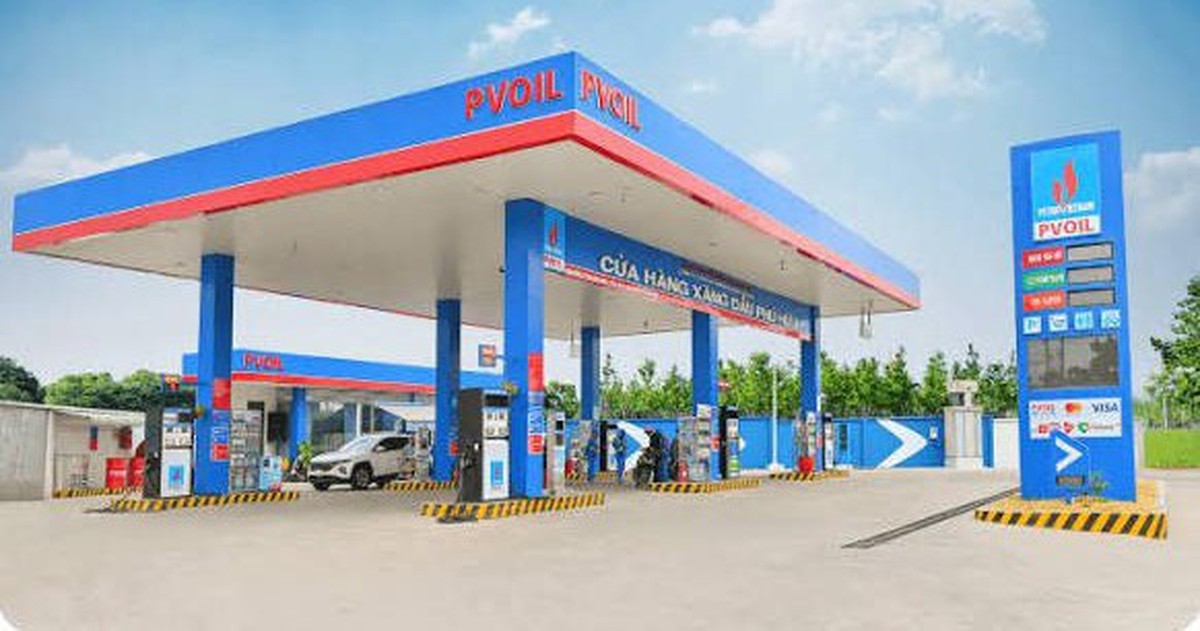
PVOIL targets a new role in the SAF supply chain
Vietnam Oil Corporation, known as PVOIL, and Malaysia’s FatHopes Energy established a strategic partnership on September 7 to build a used cooking oil collection network in Vietnam. According to CafeBiz, the program will begin in Ho Chi Minh City before expanding to other parts of the country.
The partners plan to collect oil from restaurants, industrial kitchens, food and seafood processors, and households. PVOIL Trans, a subsidiary of PVOIL, will participate directly in organizing collections. The initiative gives PVOIL a potential position at the feedstock end of the sustainable aviation fuel, or SAF, value chain without requiring the company to become a fuel producer immediately.
Existing infrastructure could reduce collection barriers
PVOIL says it operates approximately 1,050 company-owned fuel stations, supported by storage, transport and logistics infrastructure across Vietnam. That network could provide aggregation points for a waste stream that is widely available but dispersed among millions of small generators. If the model succeeds, some fuel stations could add used cooking oil collection to their traditional retail functions.
The commercial challenge is not simply collecting the largest possible volume. SAF supply chains require feedstock to meet quality and sustainability criteria, while international buyers also need reliable information about its origin. FatHopes Energy will contribute collection technology and operating methods, including a waste resource management system, or WRMS, designed to track used cooking oil from its point of generation until it enters the supply chain.
Collection costs, inconsistent oil quality, traceability and the actual scale of recoverable supply remain significant constraints. SAF also remains considerably more expensive than conventional aviation fuel. PVOIL’s existing assets may lower some logistical barriers, but the partnership still needs to demonstrate that scattered household and commercial volumes can be consolidated economically and consistently.
Regional SAF demand raises the value of feedstock
The ASEAN SAF 2050 Outlook estimates that SAF can reduce lifecycle carbon dioxide emissions by as much as 80% compared with conventional jet fuel, depending on the feedstock and production technology. The report projects ASEAN demand rising from 15,000 barrels per day in 2030 to more than 700,000 barrels per day in 2050. It also assesses Vietnam as having the potential to become a net SAF exporter around 2040.
CafeBiz reports that a 5% SAF blending requirement in Southeast Asia by 2030 would lift annual demand to 8 million-10 million tonnes and create a market valued at $25 billion per year. A recent technical meeting concerning the Carbon Offsetting and Reduction Scheme for International Aviation, or CORSIA, estimated Vietnam’s potential SAF feedstock from used cooking oil at approximately 150,000-250,000 tonnes annually. The country also has an estimated 24 million-25 million tonnes per year of biomass and municipal waste resources.
Vietnam already participates in the emerging market
Vietnam has already exported used cooking oil to international SAF producers. Petrolimex Aviation has blended SAF, while Vietjet has used the fuel on flights since 2024, according to CafeBiz. These activities indicate that feedstock collection, certification and traceability are becoming commercially relevant alongside refining capacity and airline demand.
For PVOIL, the immediate opportunity is to organize the flow of material rather than commit to SAF production. Its partnership with FatHopes Energy tests whether a nationwide petroleum retail and logistics system can support a separate waste-based supply chain. The outcome will depend on collection economics, verified quality and the ability to supply volumes that meet the requirements of domestic or international renewable fuel producers.