Puglia Cotton Yield Forecast Rises 15% as 2026 Harvest Approaches
More than 300 hectares of cotton are under cultivation in Capitanata, with the 2026 harvest expected to begin in the coming weeks. Coldiretti Puglia forecasts yields above 40 quintals per hectare, 15% higher than last year, as supply-chain agreements with major fashion brands support production.
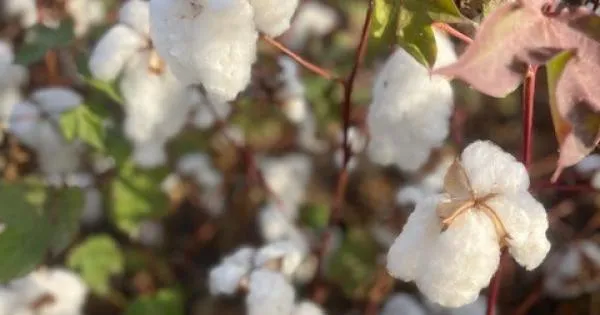
Harvest expected within weeks
Cotton production is expanding again in Puglia, where more than 300 hectares are under cultivation in Capitanata and the 2026 harvest is expected to begin in the coming weeks. According to the agricultural organization Coldiretti Puglia, the current crop has positive prospects for both quality and yield.
Coldiretti Puglia expects average production to exceed 40 quintals per hectare, representing a 15% increase from the previous year. Across more than 300 hectares, that yield level would establish a substantial base of locally grown raw material for agricultural, textile and fashion businesses seeking an Italian supply chain.
The development marks a renewed role for cotton in an area where growers are looking for additional production and income opportunities. Cotton was once cultivated in several parts of southern Italy but was progressively abandoned from the 1960s as synthetic fibers became more competitive and production costs weighed on the crop's viability, La Gazzetta del Mezzogiorno reported.
Organic cotton commands higher quotation
Price indications cited by Coldiretti Puglia reach EUR 180 per quintal for organic cotton. Conventional cotton is quoted between EUR 140 and EUR 160 per quintal, giving organic material a premium over the reported traditional range.
The figures create different revenue prospects depending on certification, realized yields and the type of supply agreement secured by each farm. They also show the commercial value attached to cotton that can meet demand for natural fibers with clear origins. Actual producer returns will still depend on crop quality and the terms under which the harvested material is sold.
The expected yield improvement is particularly relevant because cotton must compete for land and investment with other crops. Coldiretti Puglia presents the crop as a way to widen agricultural rotations and diversify production at a time when farmers face climate change and shifting market conditions. That diversification case extends beyond the price of cotton itself, since rotation choices can influence how farms allocate land across seasons.
Fashion agreements reshape farm economics
Supply-chain agreements with major fashion brands are helping support the revival. Under the arrangements described by Coldiretti Puglia, farmers do not bear the costs of seed, harvesting or transport. Removing those expenses reduces several of the direct operational burdens associated with establishing and marketing the crop.
The agreements also connect farms more closely with textile and fashion companies seeking traceable fibers and fabrics produced entirely in Italy. For brands, domestic sourcing can provide greater visibility over the origin of raw cotton. For growers, an organized route to industrial buyers may offer a clearer commercial framework than producing without an identified downstream customer.
La Gazzetta del Mezzogiorno said the supply chain is becoming increasingly linked to major fashion labels. The initiative therefore reaches beyond a single harvest: its longer-term relevance will depend on whether brands maintain purchasing relationships and whether farms can consistently deliver the required quality.
Domestic supply chain remains the focus
The Capitanata project is primarily aimed at reinforcing ties among agriculture, textile manufacturing and fashion within Italy. Its stated value proposition rests on traceability, natural fiber content and the Made in Italy designation rather than on competing solely through production volume.
The approaching harvest will provide the next test of that model. Yield performance above 40 quintals per hectare would support Coldiretti Puglia's outlook, while the realized quality will determine how effectively the crop serves fashion-sector requirements. Continued growth will also depend on whether contracts keep farm costs manageable and provide sufficient incentives for producers to retain or expand cotton within their rotations.