Protein-Enriched Foods Move Into the Mainstream as Panama’s Dairy Industry Adapts
High-protein products are expanding beyond sports nutrition into everyday supermarket categories, including dairy, cereals, bars and beverages. In Panama, local processors are developing fortified products while contending with falling dairy output and strong competition from finished imports.
Protein becomes a mainstream selling point
Protein-enriched food is moving beyond sports supplements and into everyday supermarket categories. Yogurts, bars, cereals, beverages and other packaged foods increasingly use protein content as a central selling point, according to La Prensa. The change reflects broader consumer interest in wellness, convenient nutrition and healthy aging rather than demand from athletes alone.
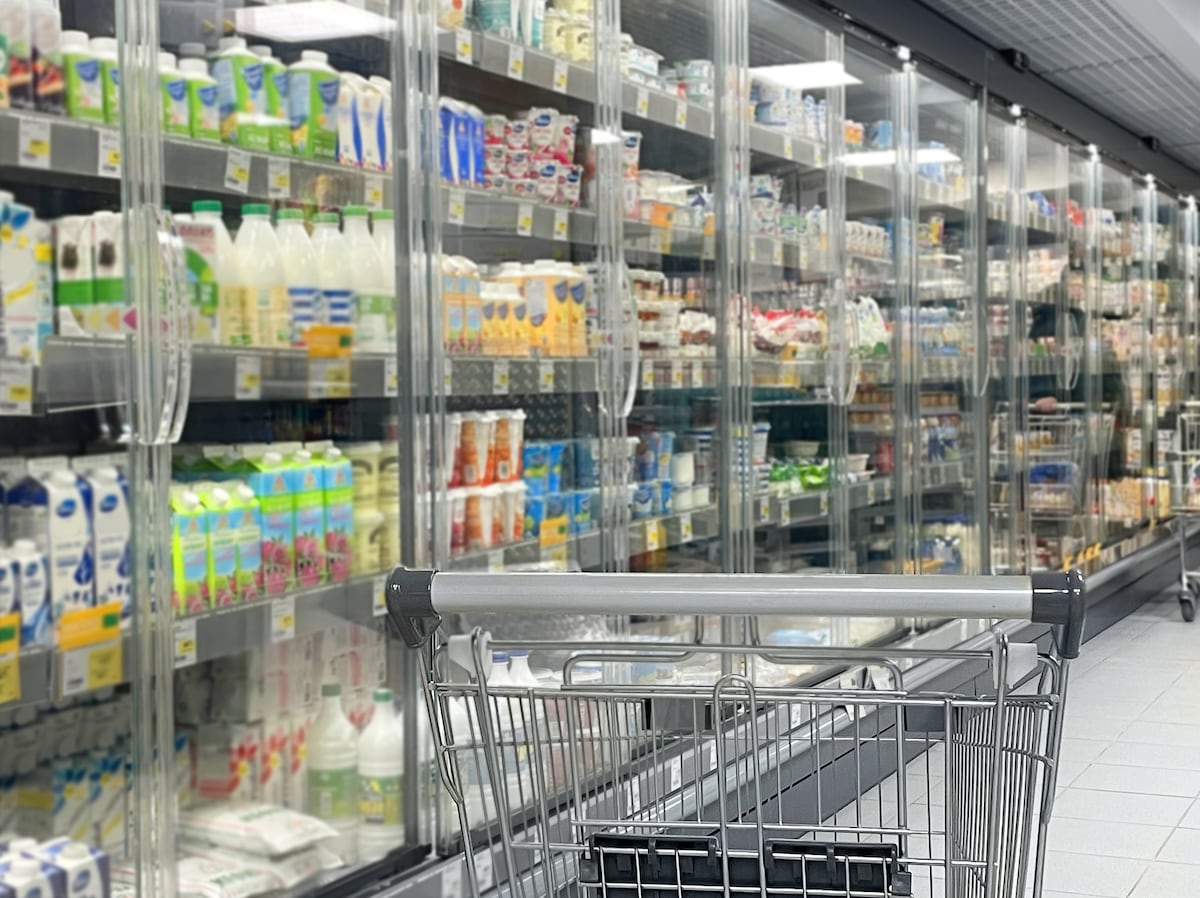
That shift is changing product development and competition across the food industry. Established brands and newer entrants are reformulating existing lines, launching fortified alternatives and building product ranges around protein claims. Supermarkets have consequently become a primary battleground for consumers willing to pay for foods positioned as offering greater nutritional value.
The opportunity extends beyond simply adding protein to a label. Consumers are also seeking products that combine high protein with lower levels of fat or sugar, according to Ricardo Adolfo Pérez, president of Panama’s National Association of Milk Processors, known as Anaprole. This gives manufacturers a more complicated formulation task and makes the overall nutritional profile increasingly important.
Panamanian dairy processors invest in fortification
Panama does not yet have specific data measuring growth in the domestic high-protein segment. Industry representatives nevertheless say the trend is already visible in imported supermarket products and national production. Pérez told La Prensa that several dairy companies have begun increasing protein content in evaporated, whole and fluid milk as well as yogurt.
At least three or four Anaprole member companies are working on protein-fortified products. Dairy offers a practical platform because milk products can carry added vitamins, minerals and proteins, Vanessa Leone, a nutrition, health and wellness specialist at Nestlé Central America, told La Prensa. The work marks a move from conventional dairy lines toward products differentiated by nutritional composition.
Processing technology will be central to that development. Ultrafiltration can concentrate selected milk components and produce foods with higher protein content. Manufacturers can also process whey left over from cheese production into protein concentrates for use as ingredients in other foods, creating additional value from a dairy by-product.
The natural protein content differs considerably by product. Fresh milk contains between 3% and 3.4% protein per 100 grams, while fresh cheeses contain 15% to 22%. Mature cheeses can contain between 24% and 26%. These differences give processors several starting points for developing products and communicating protein content to shoppers.
Growth meets production and import pressure
The category’s expansion comes as Panama’s dairy industry faces weaker production. During the first quarter of 2026, output of evaporated, condensed and powdered milk fell 35.4%. Pasteurized milk production declined 5.3%, while the volume of natural milk used to make related products decreased 11.6%. Protein fortification may therefore provide differentiation, but it is developing against a difficult operating backdrop.
Imported finished products add another competitive constraint. Anaprole data show that 72% of Panama’s dairy imports, worth about $149 million, consist of finished goods delivered directly to supermarkets without passing through domestic plants. Local processors must therefore compete for shelf space while investing in new formulations and processing capabilities.
Nutrition specialists also caution that a protein claim does not automatically make a product appropriate for every consumer. Leone noted that greater availability does not mean everyone needs to increase protein intake. Julissa Camargo de Palacios of the University of Panama said protein is important for maintaining muscle mass, but some products promoted through front-of-pack nutrition claims also contain sugar and food additives. For manufacturers and retailers, competition will increasingly depend on transparent formulations and a credible balance between protein, sugar, fat and other nutrients.