Private-label products gain ground as purchasing-power crisis reshapes retail
Retailers’ own brands are gaining market share across categories ranging from food to furniture, Le Monde reports. Their improving consumer perception is strengthening retailers’ position while increasing pressure on established brand manufacturers.
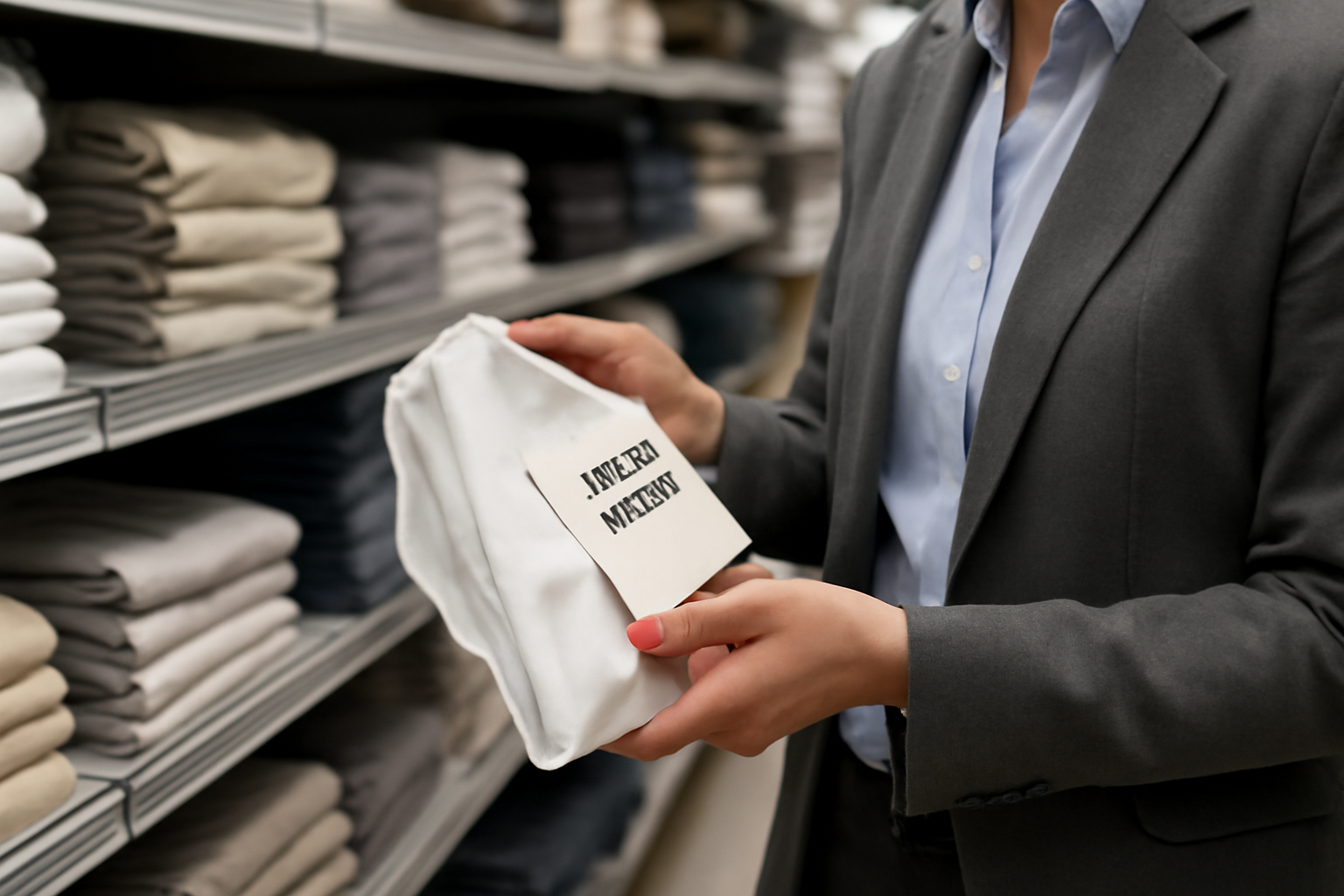
Retail brands move beyond the budget tier
Private-label products are gaining market share as the purchasing-power crisis changes how consumers assess price, quality and brand value. According to Le Monde, retailers’ proprietary ranges are expanding across categories from food to furniture and are no longer widely regarded by consumers as inferior substitutes for established brands.
The change matters because private labels were historically positioned primarily as low-cost alternatives. Their growing acceptance now allows retailers to compete on more than price. Stores can develop ranges for different customer groups, control how products are presented and use their own names as a broader promise of value. The result is a stronger connection between the retailer’s reputation and the products on its shelves.
Purchasing decisions shift toward value
Pressure on household purchasing power has accelerated this development. When budgets tighten, the price gap between a retailer’s own product and a national brand becomes more visible. Consumers who try the lower-priced option during a difficult period may continue buying it if the product meets their expectations. Le Monde’s account suggests that this shift is not confined to a single grocery aisle but extends from everyday food purchases to longer-lived goods such as furniture.
That breadth gives the trend greater significance for suppliers. A short-term move toward cheaper food can reverse when household finances improve, but acceptance across multiple categories points to a wider reassessment of what a brand provides. Consumers are weighing the manufacturer’s name against price, product performance and confidence in the retailer. Established brands therefore face pressure to demonstrate why their premium is justified, rather than relying only on familiarity or shelf presence.
Retailers gain leverage over ranges and suppliers
For retail groups, a larger private-label business offers more influence over product specifications, positioning and assortment. It can also differentiate one chain from another because the products are tied to a particular retailer. This makes procurement decisions more strategic: retailers need suppliers capable of meeting their requirements consistently, while manufacturers must decide whether to produce for store brands, defend their own labels or combine both activities.
The implications differ across the supply chain. Producers working for private labels may gain access to significant retail demand but become more dependent on purchasing contracts and retailer specifications. Branded manufacturers face stronger competition for shelf space and consumer spending. Retail buyers, meanwhile, must protect the price advantage that attracts customers without weakening perceived quality, especially now that private labels are judged as products in their own right rather than merely as substitutes.
The purchasing-power crisis has provided the immediate catalyst, but consumer perception will determine whether the gains endure. If retailers maintain acceptable quality and clear price advantages, private labels can retain customers after financial pressure eases. If quality becomes inconsistent, established brands may recover ground. The central change identified by Le Monde is already clear: retailers’ own products have moved closer to the mainstream, altering negotiations among chains, suppliers and brand owners across both food and non-food markets.