Premium demand opens room for Italian olive oil suppliers in the UK
UK olive oil imports rose to €522.6 million in 2024, although higher prices rather than volume growth drove much of the increase. Spain retains a 67% share, while Italian suppliers hold 25% and command higher prices in the premium segment.
Import value rises as volumes remain under pressure
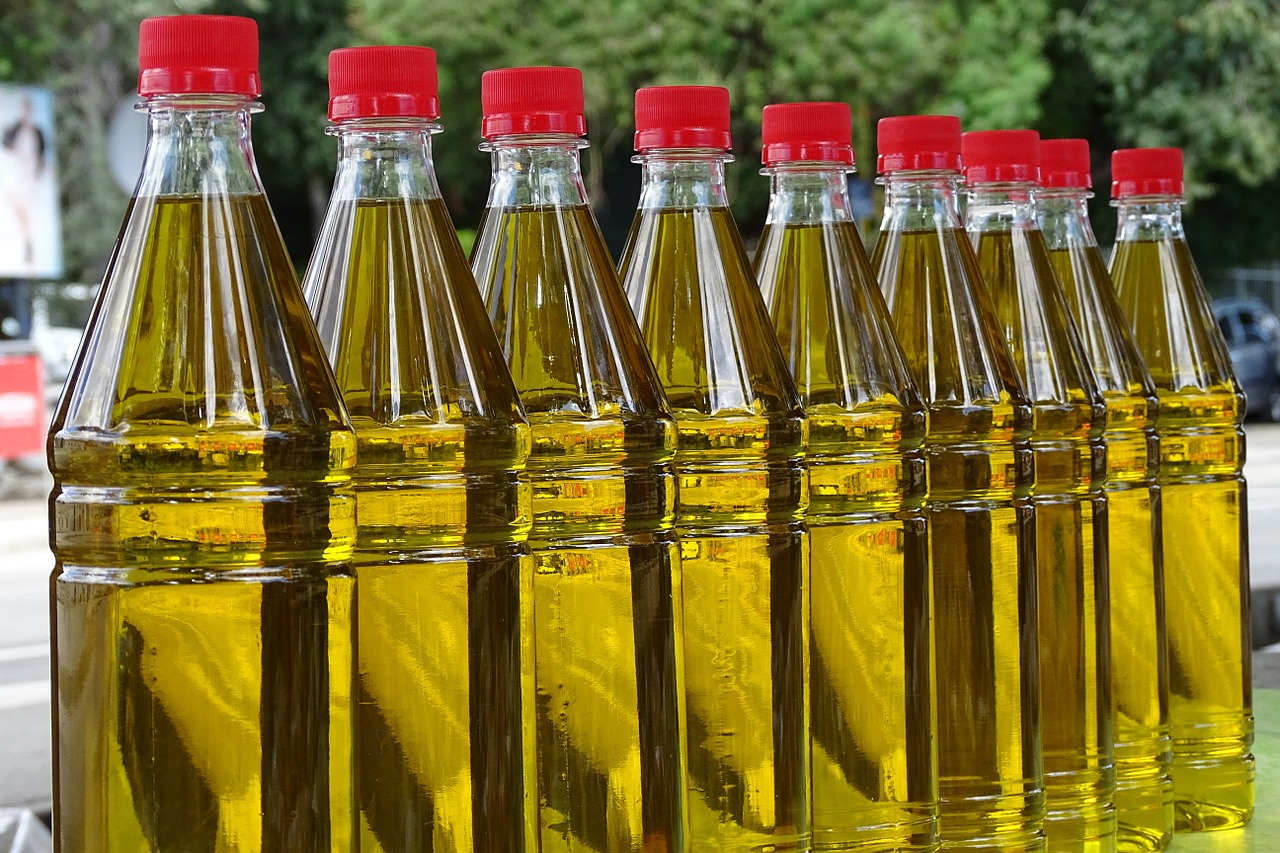
The United Kingdom offers Italian olive oil producers a sizeable but increasingly segmented market. The country depends entirely on imports, while consumer interest in quality, origin and sustainability is strengthening demand for premium products. According to Teatro Naturale, UK olive oil imports reached €522.6 million in 2024, up from €416 million in 2023. Much of that increase reflected higher prices rather than a comparable expansion in consumption.
Price inflation and the broader cost-of-living squeeze have made British consumers more selective. Volumes have declined, and shoppers are showing a preference for smaller formats. These conditions make the mass market difficult for suppliers attempting to compete primarily on price, particularly because large supermarket groups have considerable bargaining power over brands and producers.
Spain leads volume while Italy commands a premium
Spain holds 67% of the British market in both value and volume, Teatro Naturale reported. Its position relies heavily on bulk oil and supermarket private-label products, including ranges whose Spanish origin may not be prominent to consumers. Italy is the second-largest supplier with a 25% market share, but Italian labels have stronger visibility and recognition in the premium category.
The difference is also reflected in pricing. In 2025, the average price of Italian extra virgin olive oil reached €930 per 100 kilograms, compared with €800 for Spanish product. The gap indicates that Italy is competing through perceived quality and origin rather than attempting to match Spain's scale. For Italian producers, especially smaller businesses, preserving this premium is important because direct competition with bulk and private-label supply would expose them to intense price pressure.
Certification and online sales shape market entry
Research by ICEX points to rising British interest in geographical provenance, which consumers associate with quality and authenticity. Extra virgin, organic and protected-origin oils are consequently positioned to benefit. PDO and PGI certification can provide reassurance in a market where familiarity with olive oil remains moderate. Waitrose has expanded its selection with premium extra virgin oils carrying strong sustainability credentials, indicating that retailers are responding to this demand.
Olive oil is also moving beyond its role as an everyday ingredient. House & Garden and Waitrose have identified extra virgin olive oil as an increasingly fashionable host gift, in some cases replacing wine. This creates an opening for Italian brands built around territory, biodiversity and producer identity. E-commerce offers another route, allowing small and medium-sized suppliers to communicate those attributes directly and reduce their dependence on concentrated supermarket distribution. The main constraint remains affordability: retailers have not always passed wholesale reductions fully to shoppers, while resilient demand has supported their margins. Italian exporters therefore face a clear choice between competing in a price-sensitive mass market and concentrating on certified, traceable products whose origin can justify the premium.