Premier Foods’ Tulbagh closure plan threatens half of South Africa’s fruit canning capacity
Premier Foods’ proposed closure of its Tulbagh fruit-processing plant could remove almost half of South Africa’s canning capacity. Producers and labour groups are seeking alternatives before the deciduous-fruit harvest begins in November.
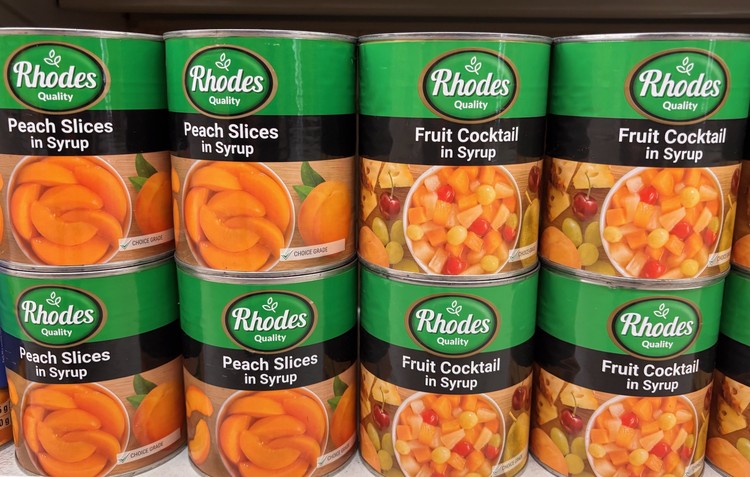
Closure would remove a major processing outlet
Premier Foods has started a Section 189 consultation process over the proposed closure of Fruit Products Western Cape, its fruit-processing plant in Tulbagh. GroundUp reports that the closure would remove almost half of South Africa’s fruit canning capacity and leave hundreds of growers seeking alternative processing arrangements shortly before the next deciduous-fruit harvest begins in November.
South Africa has two main canning facilities: the Tulbagh plant and Langeberg Foods in Ashton, according to Jacques Jordaan, chief executive of the Canning Fruit Producers’ Association. Between 200 and 220 producers supply Tulbagh. Many grow apricot, peach and pear varieties developed specifically for canning, rather than long-shelf-life fruit suitable for the fresh export market. About 90% of the factory’s canned fruit is exported, making its position closely tied to international demand, tariffs and exchange rates.
Premier cites deteriorating international conditions
Premier told GroundUp that the business was no longer economically sustainable because production costs had risen while global demand declined. The company also cited international oversupply, higher United States tariffs, uncertainty over the African Growth and Opportunity Act, exchange-rate pressure and consolidation in the canned-fruit industry. Premier pointed to the closure earlier this year of one of the two major fruit-canning operations in the United States.
The decision follows Premier’s acquisition of Rhodes Food Group earlier this year, which brought the Tulbagh operation into its portfolio. Jordaan said more than R200 million had been invested in the plant during the past three years. Premier intends to work with Langeberg Foods to process future harvests instead of maintaining production at Tulbagh. Producers argue that transferring all the volume to Ashton cannot be completed within a few months and would expose growers and processors to substantial commercial and financial risks.
Growers and labour seek time and alternatives
Growers have already incurred most of their annual costs for pruning, fertilisation, irrigation and pest control. The producers’ association says its members operate under rolling long-term supply agreements containing a two-year notice period, intended to give farms time to adjust when processing capacity changes. In a letter dated 29 July, Premier confirmed that outstanding balancing payments for apricots, peaches and pears delivered in the 2025/26 season would be paid at the end of October. Jordaan said, however, that no commitments had been made for future seasons.
COSATU’s Western Cape provincial secretary, Malvern de Bruyn, said labour representatives refused to discuss retrenchments at the first consultation meeting and called instead for the Section 189 process to be halted while a business-rescue option is examined. He said more than 150 farms and potentially thousands of workers could be affected indirectly. The Competition Commission is scrutinising whether proposed retrenchments comply with public-interest employment conditions attached to Premier’s Rhodes Food Group acquisition. Labour has 60 days to seek an agreement; questions are due by 14 August, Premier’s responses by 21 August, and the next consultation is scheduled for 26 August. For growers, the immediate issue is whether the remaining plant can absorb Tulbagh’s volumes before harvesting starts.