POSCO and BHP partner to test Australian iron ore fines in HyREX process
POSCO and BHP will test Australian iron ore fines in POSCO’s hydrogen-based HyREX ironmaking process. The work will support POSCO’s plan to commercialize the technology by 2030 and could broaden the range of ores used in lower-emission steel production.
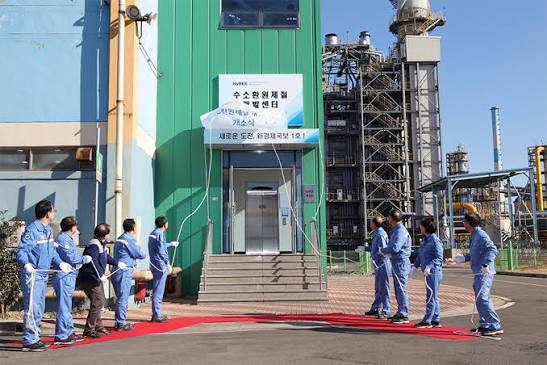
Partners move from memorandum to testing
South Korean steelmaker POSCO and Australian miner BHP have signed a collaboration agreement to advance POSCO’s HyREX technology for hydrogen-reduced iron production, pv magazine reported. The agreement follows a memorandum of understanding signed in October 2025 and moves the partnership toward testing BHP’s Australian iron ore fines in the process.
The companies will assess whether BHP’s material is suitable for HyREX, including how it performs inside the fluidized-bed reactors at the center of the technology. The tests form part of POSCO’s plan to commercialize HyREX by 2030. POSCO said the work would allow it to verify the technology’s performance under different raw-material conditions and strengthen the basis for commercialization.
HyREX targets coal-based blast furnaces
HyREX combines hydrogen-based direct reduced iron production with an electric smelting furnace. Heated hydrogen passes through a series of fluidized-bed reactors, suspending fine iron ore particles and removing oxygen from the ore. The reaction produces direct reduced iron, or DRI, and water vapor. The DRI is then transferred to an electric smelting furnace, where it is melted and impurities are separated as slag.
The process is designed to replace coal-based blast-furnace steelmaking with hydrogen and electricity from renewable sources, reducing the associated carbon dioxide emissions. Its commercial prospects will therefore depend not only on reactor and furnace performance, but also on access to renewable electricity and a reliable hydrogen supply.
A key distinction is the type of feedstock. Many hydrogen-based ironmaking routes rely on processed iron ore pellets, while HyREX is intended to use iron ore fines directly. Avoiding pelletization could change ore preparation requirements and create a lower-emission route for material already produced at scale by major miners. It also makes the behavior of different fines inside the fluidized-bed reactors commercially important.
Ore quality remains a central variable
The electric smelting furnace can handle low- and medium-grade iron ores, according to the source material. That capability could widen the potential feedstock base compared with technologies requiring high-grade ore, but it also makes raw-material characteristics a critical consideration. Reduction behavior, impurity removal and slag formation will influence whether particular ores can be used efficiently.
For BHP, the trials offer a way to determine how its Australian fines fit a steelmaking system designed for a lower-carbon economy. For POSCO, access to ore from one of the world’s major miners provides a broader test of HyREX beyond a single feed specification. Successful results would not by themselves establish commercial viability, but they could reduce one of the uncertainties surrounding feedstock compatibility.
The partnership also signals how technology development may reshape future iron ore demand. If processes that consume fines directly reach commercial scale, miners may face different quality specifications from those created by pellet-based hydrogen reduction. Steelmakers, meanwhile, will need to balance ore flexibility against hydrogen availability, renewable power requirements and the operating performance of electric smelting furnaces. POSCO’s 2030 commercialization target gives the companies a defined timetable for turning the current testing program into an industrial proposition.