Port attacks cut Ukraine’s August agricultural exports to 1.7 million tonnes
Ukraine exported about 1.7 million tonnes of agricultural products through alternative routes in August, roughly one-third of its potential volume. Attacks on port infrastructure have constrained maritime capacity, increased pressure on storage and may raise food costs by about 2.5%.
Alternative routes handle one-third of potential exports
Ukraine exported about 1.7 million tonnes of agricultural products through alternative routes in August after intensified Russian attacks on port infrastructure, according to Ukrainian Agriculture and Food Minister Taras Vysotsky. The volume was approximately one-third of the country’s potential agricultural exports for the month.
The figures indicate that alternative corridors could not fully replace the maritime capacity affected by the attacks. The immediate consequences extend beyond the volume shipped: slower movement leaves more produce inside Ukraine, increases demand for storage and raises the cost of moving commodities to foreign customers. The source did not provide a breakdown by commodity or destination, but grains and oilseeds are particularly exposed because production in those sectors is more dependent on export demand.
Storage losses and logistics costs increase
The total damage caused by attacks on warehouses was still being assessed. Preliminary estimates cited by Inkorr indicate that the destruction of one large warehouse facility could cause losses of UAH 3-5 million. Damage to storage infrastructure can reduce the sector’s ability to hold crops while exporters wait for transport capacity, adding operational risk for producers, processors and traders.
Vysotsky said the rebuilding of logistics chains could contribute to an overall increase in food prices of about 2.5%. Final prices may also be affected by fuel, energy and animal-feed costs. The move toward alternative routes therefore carries a wider cost than freight alone, as additional handling, smaller storage sites and longer inland journeys can affect prices throughout the supply chain.
Distribution inside Ukraine is also becoming more diversified. Alongside the traditional producer-to-large-warehouse-to-store model, businesses increasingly use chains connecting producers with small warehouses and retailers, or deliver directly from producers to stores. These arrangements reduce dependence on individual large facilities, although they may require more fragmented transport and inventory management.
Domestic supply remains stable
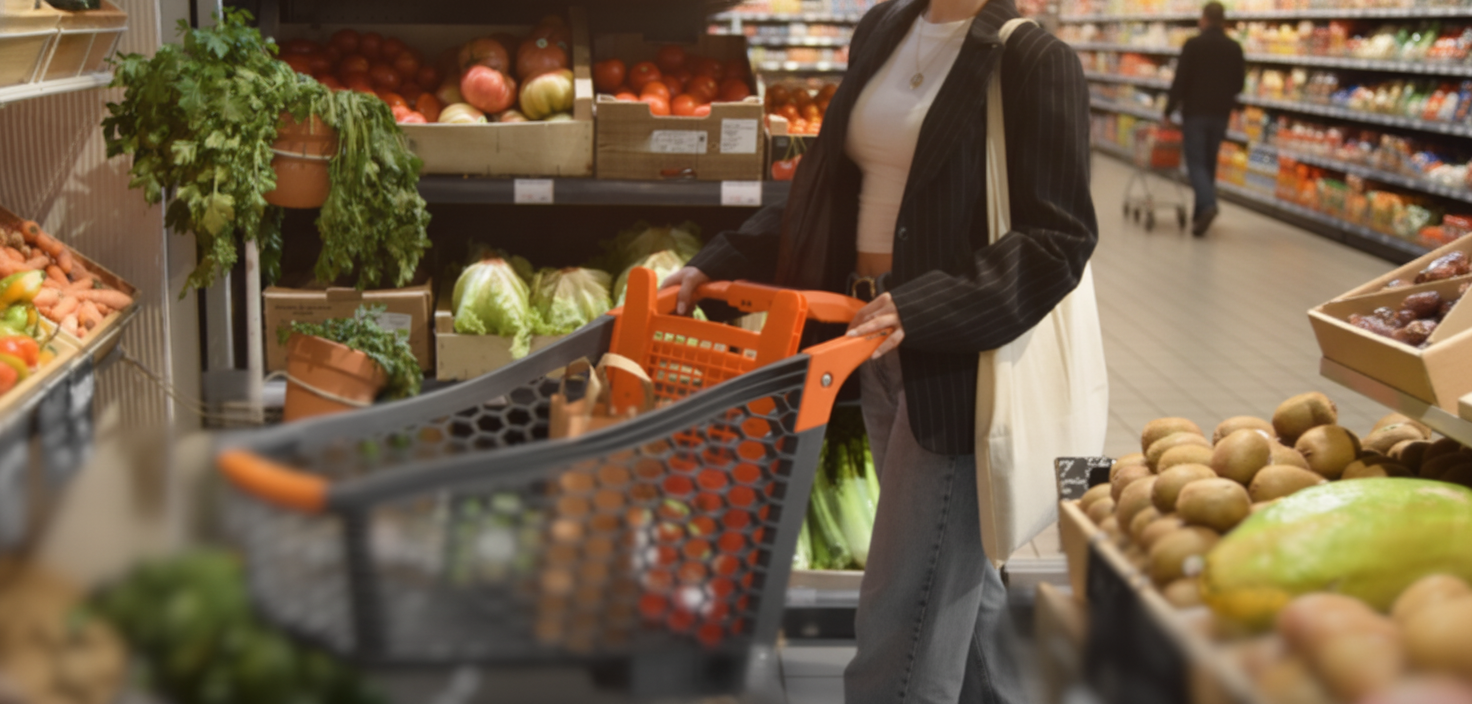
Despite the disruption, the Agriculture Ministry does not expect long-term shortages in any main food category based on available production and commodity balances. Vysotsky said that about 70-80% of food production, excluding grains and oilseeds, is consumed within Ukraine. Production of vegetables used in traditional borscht is among the categories most strongly oriented toward the domestic market.
The government’s assessment separates the export-capacity problem from domestic food availability. Reduced port throughput can restrict sales abroad and pressure farm revenues without immediately creating a shortage for Ukrainian consumers. Vysotsky advised households to maintain a basic reserve of food and water but said the current situation did not require excessive stockpiling. For overseas buyers, the August result nevertheless signals continued uncertainty over shipment timing and logistics costs, while Ukrainian producers face a growing need for alternative transport, resilient storage and reliable access to export markets.