Polish wood pellets reach German buyers at prices below Polish retail levels
Polish-made wood pellets are reaching Germany, where bulk purchases can cost less than bagged fuel sold at Polish retail outlets. Lower VAT, larger orders and different delivery formats explain much of the gap, while tightening feedstock supply is pushing prices higher in both markets.
German bulk prices undercut Polish retail
Wood pellets produced in Poland are being sold to German customers even though German bulk prices can be lower than prices paid by consumers in Poland. Dlahandlu.pl, citing wp.pl and German market data from 13 August, reported that a one-off order of 6 tonnes of loose pellets cost about €411 per tonne. At an exchange rate of roughly 4.30 złoty per euro, that was approximately 1,767 złoty per tonne.
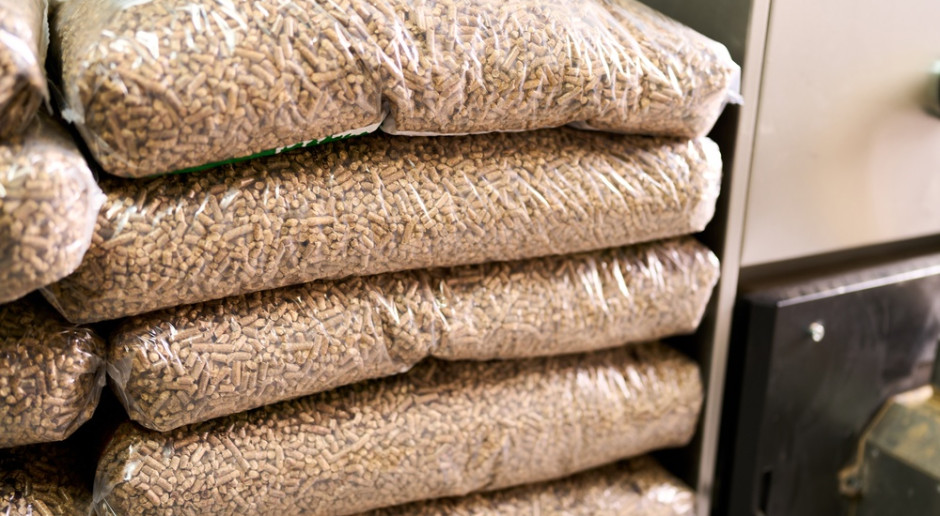
The comparison reflects two different retail formats. Bulk delivery is widespread in Germany, while Polish households generally buy bagged pellets stacked on pallets. The Deutsches Pelletinstitut’s official index put the average German price for a 6-tonne order of ENplus A1 pellets at €388.09 per tonne in July 2026. That figure included VAT, delivery within 50 kilometres and other delivery costs.
Availability widens the apparent price gap
Advertised Polish prices range from 1,700 to 2,000 złoty per tonne, but Dlahandlu.pl noted that some of the cheapest listings cover unavailable products, limited volumes or collection from a specified location. For good-quality pellets available immediately, a more realistic current range is about 2,200–2,600 złoty per tonne, particularly for bagged material.
A German buyer taking 6 tonnes in bulk can therefore pay substantially less than a Polish consumer purchasing bagged fuel at retail. Packaging, handling, order size and delivery method all affect the comparison. German bagged pellets are also more expensive than bulk supplies, with current prices reaching about €470–€480 per tonne.
VAT and seasonal demand shape the market
Tax accounts for a significant part of the difference. Germany applies 7% VAT to pellets, compared with Poland’s standard 23% rate. Applying Polish VAT to the German gross price of €411 would raise it to about €473 per tonne, or slightly above 2,000 złoty. Dlahandlu.pl estimated that the tax difference alone represents roughly 260–270 złoty per tonne.
German prices are not static. Commercial offers rose from about €350 per tonne at the beginning of June to around €411 in mid-August, an increase of approximately 17.5%. Buyers began rebuilding inventories after winter before the heating season, and some moved once prices stopped falling. Supply is also affected by sawmill activity because pellets are made mainly from wood-industry by-products such as sawdust and shavings. Lower sawmill output reduces feedstock availability, while energy, production and transport costs add further pressure.
Polish supply feeds German imports
Germany imported about 76,000 tonnes of pellets from Poland, approximately 40% more than a year earlier, according to the available data cited by Dlahandlu.pl. Total German pellet imports reached about 595,000 tonnes. Polish material can consequently remain competitive in Germany even after crossing the border.
The price difference does not show that an identical product is systematically cheaper in Germany. It mainly compares a large bulk delivery in a lower-tax market with smaller purchases of bagged fuel in Poland. For producers and traders, however, the figures show why German demand remains an attractive outlet: order scale, established bulk logistics and the VAT advantage can absorb transport costs while preserving a competitive final price.