Polish wood-pellet prices rise as biomass supply falls behind demand
Polish A1 wood-pellet prices have risen as expanding household demand collides with limited biomass availability and higher production costs. Regulators found no evidence of illegal competition restrictions, while the government is considering supply measures and the market prepares for EUDR traceability rules.
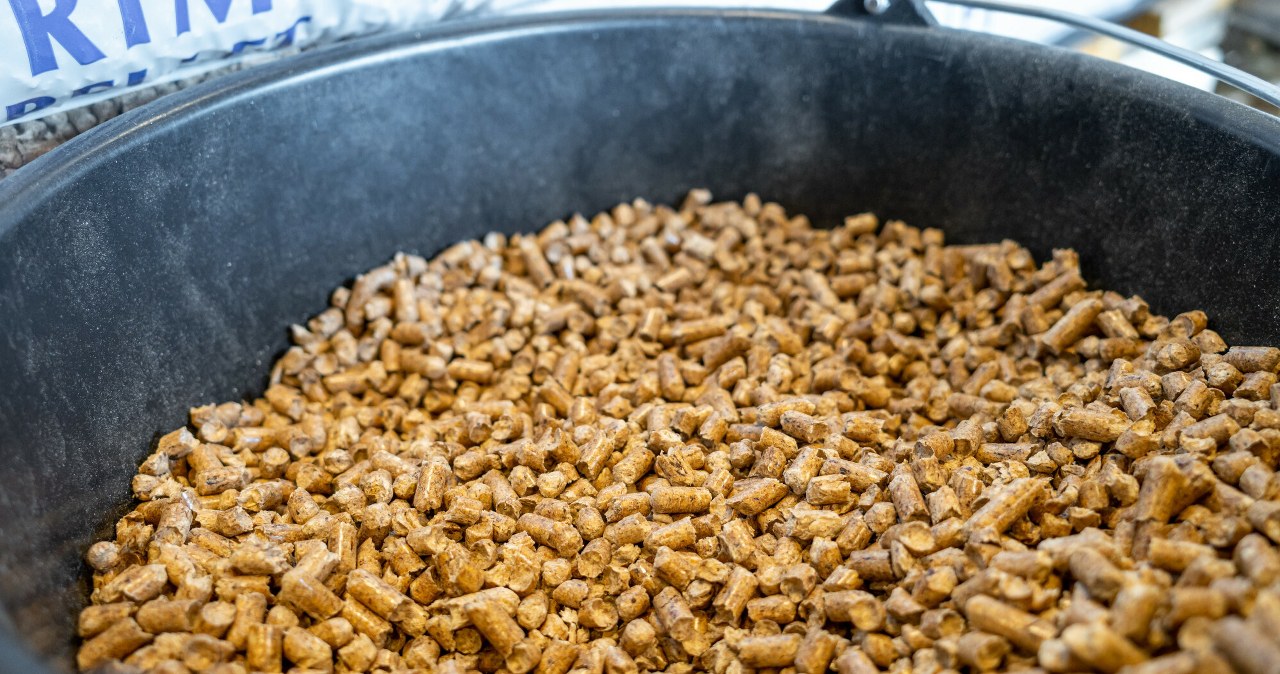
Household pellet prices climb
Wood-pellet prices in Poland are running above last year's level as growing heating demand meets constrained biomass availability and higher production costs. According to biznes.interia.pl and money.pl, government data showed prices starting at 1,733 zł per tonne in the Wielkopolskie region in June and reaching 2,400 zł per tonne in the Łódzkie region at the beginning of September for certified A1 pellets used mainly by households.
The Polish Pellet Council reported in July that average retail prices for certified A1 pellets had increased by 20–30% compared with June 2025. The change varied by region, producer and sales channel, with some increases exceeding that range. Gramwzielone.pl, citing a US Department of Agriculture report, put prices to individual customers as high as 3,000 zł per tonne during the 2025/2026 season, when a growing number of pellet boilers coincided with a colder winter than in previous years.
Competition for wood residues intensifies
Poland's pellet market totals about 1.3 million tonnes annually, according to gramwzielone.pl. Household heating accounts for 60% of consumption, while companies and public institutions such as schools and hospitals represent another 25%. The Energy Ministry attributes the price pressure to stronger demand, limited biomass availability, more expensive feedstock—including sawdust—and other production costs.
The Climate and Environment Ministry says the central problem is not a fall in timber harvesting but intensifying competition for biomass among the wood industry, power generators, district-heating companies and households. State Forests harvested more than 39 million cubic metres in 2023, more than 40 million cubic metres in 2024 and more than 39 million cubic metres in 2025. The ministry therefore argues that raw-material access was not formally reduced, although sawdust, wood chips and shavings—the main inputs for pellets—remain heavily contested.
Poland's Office of Competition and Consumer Protection, UOKiK, said its August analysis found no illegal practices restricting competition. It described the problem as systemic: domestic pellet supply has failed to adjust to the popularity of wood-burning appliances, including units supported by the Clean Air programme. UOKiK warned that the imbalance was likely to persist into the next heating season.
Imports and EUDR add another constraint
The supply gap extends across the European Union. The bloc consumed 22.7 million tonnes of wood pellets in 2025, and consumption is forecast to grow by another 500,000 tonnes in 2026. EU production is expected to edge up from 19.8 million to about 20 million tonnes, leaving imports to rebound to roughly 4.8 million tonnes, still below the 2022 record of 5.85 million tonnes.
The United States remained the largest supplier in 2025, shipping 1.78 million tonnes worth $423 million, although its share of EU imports fell from 42% to 40%. Brazil, Vietnam, Thailand and Malaysia are gaining ground. Russian and Belarusian deliveries, blocked by sanctions introduced in 2022, had fallen practically to zero by 2025.
Government has options but no announced intervention
From 30 December 2026, EUDR requirements will apply to large and medium-sized operators handling wood products, including pellets; micro and small companies follow on 30 June 2027. Suppliers will have to provide geolocation and plot-level origin data and submit due-diligence declarations. The USDA report described the rules as a potential trade barrier for non-EU supplies. Domestically, UOKiK says the Energy Ministry could limit pellet consumption by power and heating companies, while environmental authorities can influence wood supply through State Forests. The Energy Ministry also supports wider use of agricultural biomass and agropellets. The Polish Pellet Council has proposed a tax allowance for heating-pellet buyers and permission to use pellets of agricultural origin, but no intervention has yet been announced.