Polish Winter Barley Yields Fall as Cultivated Area Expands to 463,000 Hectares
Poland’s winter-barley area reached 463,000 hectares, about 20% more than a year earlier, but the latest harvest produced lower and highly variable yields. Farmers reported declines of 1–1.5 tonnes per hectare after a cold, snowy winter, according to Tygodnik Rolniczy.
Acreage grows as winter risk returns
Poland’s winter-barley area continued its rapid expansion in the latest season, reaching 463,000 hectares compared with about 419,000 hectares in 2024 and 305,000 hectares in 2022. Tygodnik Rolniczy reported that the cultivated area increased by approximately 20% from the previous year, reflecting farmers’ growing interest in a crop that can make effective use of winter moisture and escape spring drought.
Milder winters had encouraged cultivation to spread into north-eastern Poland, where concerns about winter survival previously limited planting. The latest cold and snowy winter exposed that risk again. Winter barley has the lowest winter hardiness and frost resistance among winter cereals grown in Poland. Complete crop losses were isolated, but farmers recorded weaker performance across most plantations, with yields commonly falling by 1–1.5 tonnes per hectare.
Farm results show wide yield variation
At Agro-Fundusz Mazury in Drogosze, Kętrzyn County, winter barley yielded about 800 kilograms per hectare less than in the previous season. The farm reduced its winter-barley area from 500 hectares and four varieties in the previous season to 190 hectares and two varieties in the latest one. It planted 150 hectares of the two-row malting variety Lyberac under contract and 40 hectares of the multi-row RGT Mela variety.
Monika Jasek of RAGT Polska, who visits farms across north-eastern Poland, said no official national harvest summary was yet available. Initial field reports nevertheless showed yields below recent-year levels and substantial differences between farms. The most frequently reported range was approximately 4.5–6.5 tonnes per hectare, although some farms in northern Poland harvested more than 7.5 tonnes per hectare despite the difficult winter.
Variety selection moves to the foreground
The weaker harvest is increasing attention to winter hardiness, yield stability, lodging resistance and genetic protection against viral diseases. Poland’s recommended variety lists for cultivation in 2026 include 25 winter-barley varieties: 20 multi-row and five two-row. The listed two-row varieties are Bordeaux, Finezja, SU Laubella, Aleksandra and Lautetia.
Growers also value winter barley as an early-harvested predecessor for winter rapeseed and as a tool against black-grass. Its rapid tillering restricts space available for weeds, while earlier field clearance leaves time to prepare soil for timely rapeseed sowing. These agronomic benefits remain important even after a disappointing yield year.
Breeders target resilience and grain quality
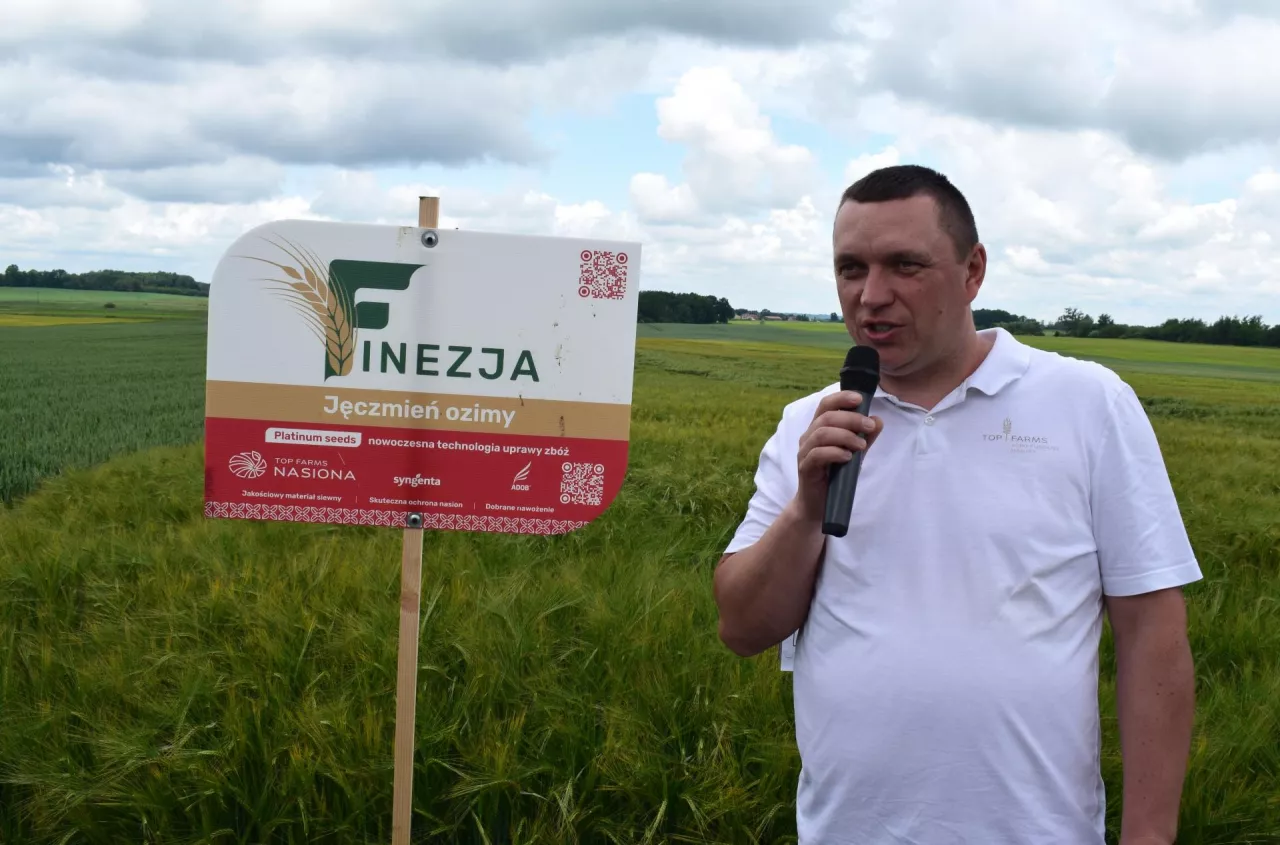
Breeding programs are focusing on varieties able to handle variable conditions and resist barley yellow dwarf virus and barley mosaic viruses. Finezja, a two-row variety with a height of 93 centimetres and winter-hardiness rating of 5.0, performed well during the latest difficult winter. RGT Alessia, registered in Poland in 2024, combines yield potential with genetic resistance to BYDV, BaYMV and BaMMV and is recommended for weak and medium-quality soils.
Saaten-Union’s multi-row Fascination variety has a winter-hardiness rating of 5.0, a height of about 88 centimetres and resistance to lodging and BYDV. It achieved 102% of the reference yield in German registration trials. Such traits may influence planting decisions as Polish producers weigh the crop’s rotational advantages and expanding acreage against its continued exposure to severe winter weather.