Polish poultry retains margins as pork and beef markets come under pressure
Bank Pekao’s analysis shows Poland’s meat sector moving on three different tracks in 2026. Poultry remains profitable despite lower prices, while pork faces EU oversupply and beef is affected by weaker Chinese demand and changing trade flows.
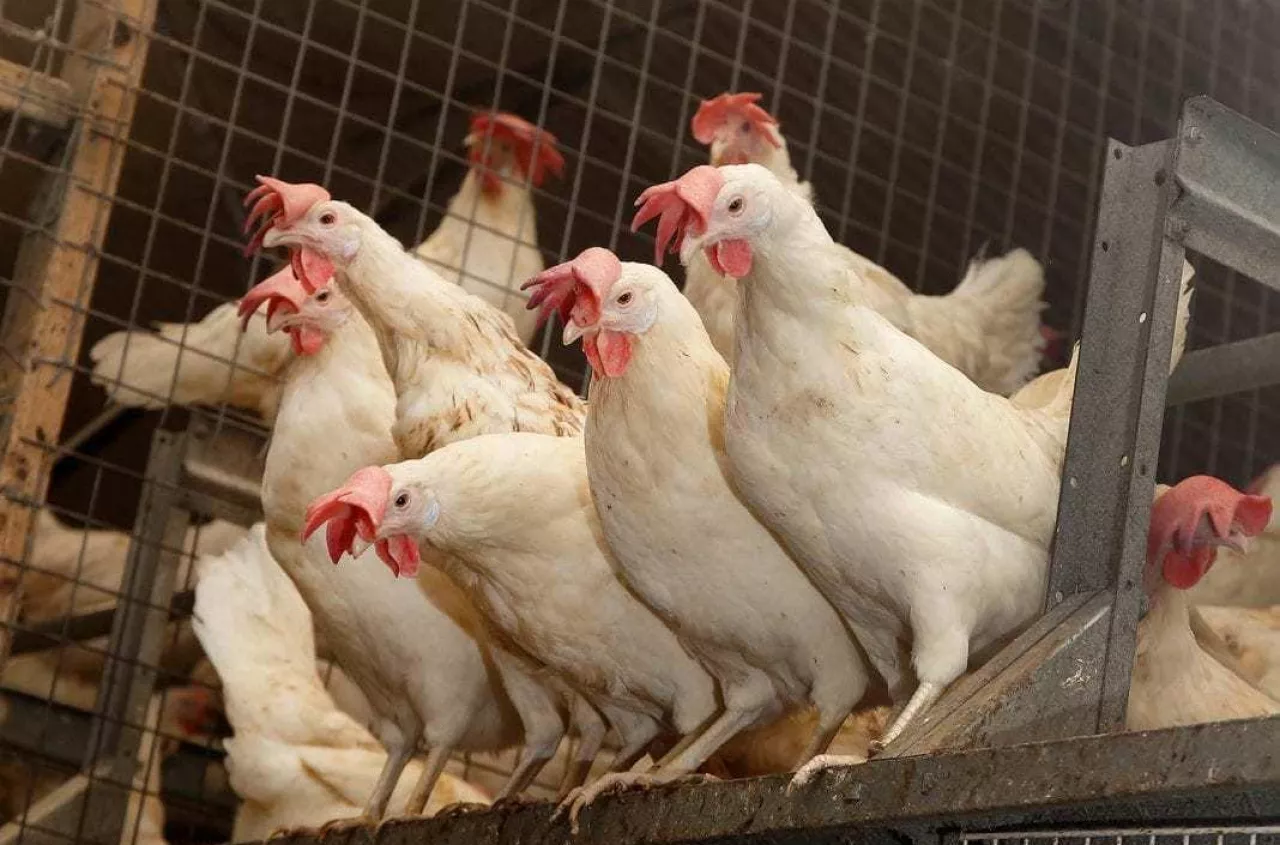
Pork oversupply pushes prices lower
Poland’s meat industry is splitting into sharply different market tracks in 2026. According to an analysis by Bank Pekao reported by top agrar Polska, poultry producers continue to generate positive returns, while pork and beef operators face weaker prices, changing trade flows and growing pressure on margins.
The main challenge for European pork is declining demand from China. Bank Pekao expects Chinese pork imports to reach about 1 million tonnes in 2026, down 16% year on year, as the world’s largest pork importer expands domestic production. EU shipments to China fell 20% year on year during the first four months of 2026.
European exporters are redirecting products to other destinations, but Bank Pekao says this is coming at the expense of prices. At the same time, the total weight of EU pig slaughter increased 2% year on year between January and April, while intra-EU pork trade rose 4% in the first quarter compared with the same period of 2025. The resulting additional supply is accumulating inside the single market.
In Poland, the average selling price of pork half-carcasses at domestic plants was 27% lower year on year in June, with live pig prices falling by a similar amount. The second-quarter decline was particularly significant because prices would normally receive seasonal support during that period. Bank Pekao warned that profitability could deteriorate further toward the end of the year, prompting the least efficient farms to reduce production. Such cuts could gradually tighten EU supply and eventually support a price recovery.
Beef exports fall as imports rise
Beef markets are also being shaped by China. Bank Pekao cited a USDA forecast indicating that Chinese beef imports will decline 13% in 2026. China plans to use quotas to restrict purchases, particularly from Brazil and Australia. Some displaced volumes may find buyers in other markets, mainly the United States, but the bank expects this to compensate for only part of the decline.
Within the EU, cattle slaughter weight fell 2% year on year in the first four months of 2026. Poland recorded the largest volume decline among the bloc’s ten biggest producers. EU beef exports to non-member countries dropped 8% between January and April, reaching their lowest level since 2013. Imports, however, increased 25%, largely because of higher deliveries from Brazil. The combination of contracting domestic output and rising third-country supply is changing competitive conditions for EU processors and cattle producers.
Poultry growth continues despite lower prices
Poultry presents a stronger picture. EU broiler slaughter weight rose 6% year on year from January through April, and chick hatchings in April were 7% higher than a year earlier. Domestic consumption and external demand helped absorb the additional output. EU poultry exports increased 2%, or about 12,000 tonnes, during the first four months of 2026, while imports remained relatively stable.
Poland was a major contributor to that expansion. Domestic chicken slaughter weight increased 18% year on year between January and April, equivalent to an additional 141,000 tonnes and the largest nominal increase in the EU. Growth may lose momentum, however, after Poland’s chick supply edged lower in April and May, mainly because hatchings declined in May. Bank Pekao therefore expects Polish production growth to slow around the transition from the second to the third quarter.
Rapid output growth has already reduced prices. Polish chicken carcasses were 13% cheaper year on year in June 2026, while farmers received 14-15% less for live chickens. Feed prices, the principal cost component in broiler production, fell by an average of 4% year on year in May. That reduction only partly offset weaker livestock prices, but Bank Pekao estimated that the financial surplus from broiler production remained close to its long-term average. The bank expects live chicken prices to rise slightly in the third quarter before weakening seasonally, while remaining high enough to preserve positive profitability.