Polish hard-coal workforce shrinks as power-sector demand falls
Departures from Poland’s hard-coal industry are running at six times the average pace of the previous three years, according to Instrat. Power-sector demand has fallen 40% over six to eight years, while offshore wind and new gas-fired plants are expected to deepen the decline.
Employment exits accelerate at major coal groups
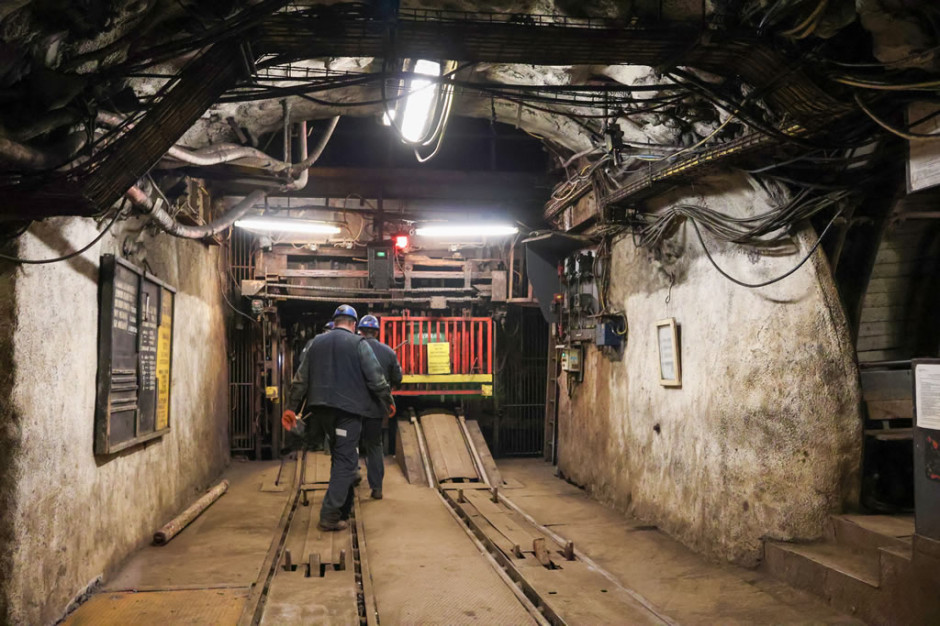
Poland’s hard-coal industry is losing workers at an accelerating rate as financial incentives encourage employees to leave and demand from the power sector continues to contract. Instrat, a Warsaw-based think tank, is observing a sixfold increase in departures from mining compared with the average of the previous three years, its president Michał Hetmański told WNP.
At Jastrzębska Spółka Węglowa, 2,033 employees had entered mining leave or leave for workers at mechanical coal-processing plants by 31 August. Another 668 people had accepted one-off cash severance payments. At Polska Grupa Górnicza, 706 employees had taken severance by the end of June, while 1,754 had entered mining leave. Together, the disclosed figures show 5,161 workers using the available departure schemes at the two companies, although the reporting periods differ.
Support measures lower the cost of leaving
The workforce reduction is being supported by legislation on the operation of the hard-coal mining sector adopted during the current term of the Energy Ministry. The law provides for one-off severance of up to 170,000 złoty net. Underground employees who are five years short of retirement can receive mining leave paid at 80% of their salary; the eligibility period is four years for employees of coal-processing plants.
The measures give mining companies a route to reduce payrolls as their customer base contracts, but they also transfer part of the restructuring cost to the state. The speed of departures will matter operationally: companies must align staffing with lower output without losing the skills required to operate mines safely or complete closures. For workers and mining regions, the issue extends beyond headcount because fewer operating mines also mean less demand for contractors, processing services and local suppliers.
Coal demand has already fallen 40%
Demand for thermal hard coal has declined by 40% over the past six to eight years, according to Hetmański. He expects it to fall even faster as Poland commissions offshore wind farms and new gas-fired power plants. Hard coal also competes with domestic lignite in the electricity system. Hetmański said these changes mean that Poland may need only a few mines around the turn of the 2020s and 2030s, compared with more than a dozen today.
The reduction in demand places domestic output under sustained pressure. Faster workforce exits can help prevent production capacity from remaining far above the needs of power generators, but mine closures and declining output must be coordinated with the pace at which replacement generation becomes available. Any mismatch could affect utilities’ short-term procurement requirements.
Import needs depend on the pace of adjustment
WNP did not provide a forecast for Polish coal imports. The direction of import demand will depend on whether domestic mine output contracts faster or slower than consumption. If staffing reductions cut production ahead of the fall in power-sector purchases, generators could require additional external supply for particular coal grades or delivery periods. If demand falls at least as quickly as output, import requirements may decline alongside domestic production.
The broader energy plan therefore has direct implications for miners, generators and coal traders. Offshore wind and gas capacity will reduce coal’s market share, while the severance and leave programmes make the contraction of mining employment faster and more orderly. The main commercial question is no longer whether Poland’s thermal-coal market will shrink, but whether mine capacity, labour and power-sector demand can decline on compatible schedules.