Polish food companies explore Vietnamese shrimp and pepper supplies
Polish food processors are assessing Vietnamese shrimp and spices as potential inputs for products sold in Poland. One Polish beef producer has visited shrimp farms in Vietnam to evaluate supplies for shrimp burgers, Vietbao reported.
Polish processors look beyond food exports
Polish food companies are exploring Vietnamese shrimp, pepper and other ingredients as potential supplies for the Polish market, creating a possible new demand channel for Vietnamese seafood and spice exporters. The discussions remain at the supplier-assessment stage, but direct visits to production areas indicate that Polish buyers are examining practical sourcing options rather than limiting cooperation to general trade promotion.
The initiative was discussed at a recent press conference held under the “Europe Full of Flavours — Tradition and Quality” programme, organised by the Polish Chamber of Commerce and Industry. Tomasz Parzybut, president of the Polish association for meat slaughter and production, said Vietnam was one of the priority markets outside Europe where Polish businesses wanted to expand cooperation. He linked that interest to the longstanding partnership between Poland and Vietnam.
According to Parzybut, Polish companies do not only want to sell food in Vietnam. They also intend to identify Vietnamese products that can be imported for use or sale in Poland. This two-way approach could broaden the commercial relationship from finished-food exports into ingredient procurement and industrial food processing.
Shrimp farms assessed for burger production
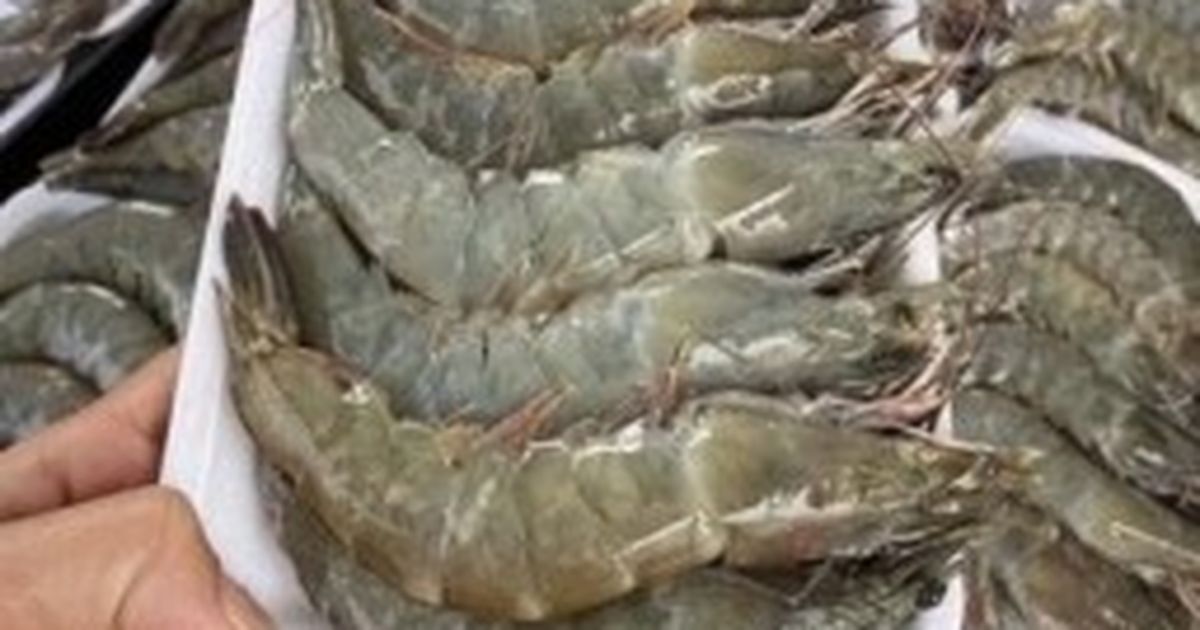
Vietbao reported that a representative of a Polish beef producer visited shrimp farms during a working trip to Vietnam. The company was assessing whether Vietnamese shrimp could be imported as an ingredient for shrimp burgers intended for the Polish market. No prospective supplier, purchase volume, contract value or delivery date was disclosed.
The farm visit is significant because it allows a prospective buyer to examine farming conditions and supply capabilities before entering commercial negotiations. For Vietnamese producers and processors, such assessments can clarify whether their output, traceability systems and delivery capacity match the operational needs of a European food manufacturer.
Polish representatives also identified spices and Vietnamese seafood, particularly shrimp, as products attracting increasing interest from the country’s food-processing companies. Pepper therefore forms part of the wider sourcing discussion, although the source provided no details about individual pepper buyers, targeted grades or expected volumes.
A potential route into European food chains
A completed deal would give Vietnamese shrimp exporters an additional destination as they seek to diversify sales markets. Poland could function both as a consumer market and as a processing base where imported shrimp is incorporated into finished foods. That would place Vietnamese suppliers within a manufacturing chain rather than restricting their role to shipments of seafood for direct retail sale.
For Polish processors, Vietnam offers a prospective source of seafood and spices that can complement their domestic and European inputs. The commercial outcome will depend on whether buyers and suppliers can agree on product specifications, consistency, logistics and other procurement requirements. The current activity does not yet confirm new trade volumes, but it shows that Polish companies are conducting on-the-ground due diligence and considering defined applications for Vietnamese raw materials.
The proposed shrimp-burger use also illustrates how demand can emerge from processors outside the traditional seafood segment. If the assessment progresses to contracting, Vietnamese farms and exporters would need to supply material suited to an industrial recipe and production schedule. Until purchase commitments are announced, the initiative should be viewed as a concrete sourcing opportunity rather than a confirmed expansion of Vietnamese exports to Poland.