Polish feed barley prices fall to levels last seen nearly 20 years ago
Polish collection points are offering around 600 zł net per tonne for feed barley, with some local bids even lower. Drought-reduced yields and production costs far above early-2000s levels are putting farm margins and liquidity under pressure.
Collection bids hover around 600 zł per tonne
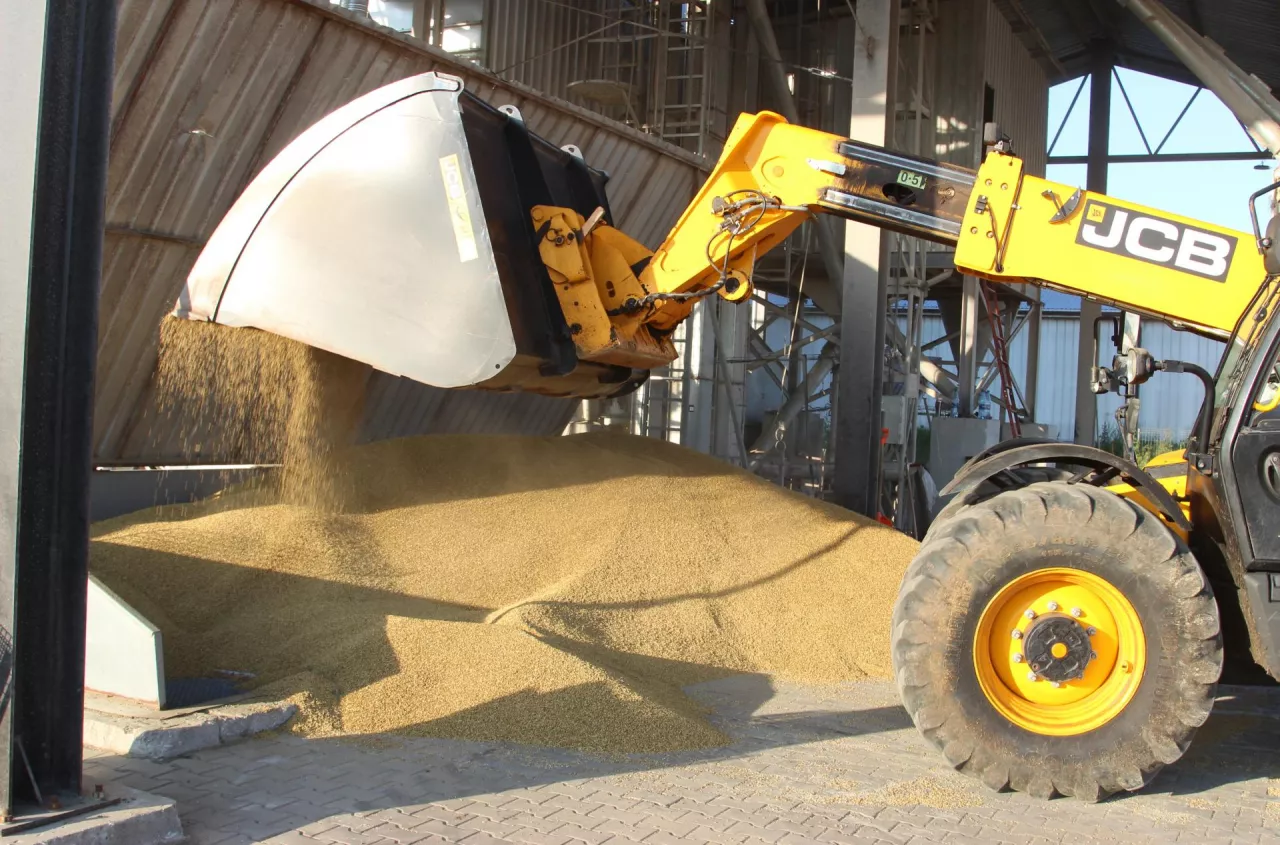
Feed barley is trading at around 600 zł net per tonne at many Polish collection points, a nominal price comparable with levels seen nearly 20 years ago, according to top agrar Polska. Some local bids are even lower as the country’s early grain harvest brings fresh supply onto the market.
The historical comparison ends with the headline price. Over the past two decades, Polish farmers have faced steep increases in the cost of fuel, mineral fertiliser, crop-protection products, seed, energy, spare parts, services and other operating inputs. Although some input prices have retreated from their 2022–2023 peaks, they remain substantially higher than they were more than a decade ago. A tonne of barley sold for approximately 600 zł therefore generates far less purchasing power and a much narrower margin than the same nominal price did in the early 2000s.
Marek Twardowski, who farms 60 hectares in Biała Podlaska County in the Lubelskie region, told top agrar Polska that at current prices it is difficult to speak of any profit. He said producers who previously expected harvest revenue to leave funds for investment are now focused primarily on covering production costs.
Drought compounds the pressure on margins
Low prices have coincided with a spring and summer rainfall deficit. Drought reduced barley yield potential in many Polish regions, leaving some farms with significantly less grain than they had expected in May. Production expenses, however, were largely already incurred, meaning a smaller crop translates directly into lower revenue per hectare.
Kacper Popławski, a farmer in Przysucha County in the Mazowieckie region, said yield was the biggest problem this season. His farm harvested substantially less barley than anticipated, making profitability difficult at the prices currently available. Good grain quality cannot fully offset the financial effect of fewer tonnes produced per hectare.
The combination of weak yields and a collection price near 600 zł per tonne has made this year’s early harvest considerably worse than many growers expected. Even a modest recovery in barley prices would provide limited relief to a farm that has lost output to drought while retaining nearly the same production cost base.
Harvest supply and cautious buying limit prices
Seasonal selling pressure is also shaping the market. The largest volumes of newly harvested grain reach buyers during the harvest period, increasing immediate supply and restricting the potential for higher bids. Trading companies have adopted cautious purchasing policies in the first weeks of the harvest, anticipating that more grain will become available.
Domestic prices also reflect European and global grain markets, export opportunities and competition from foreign-origin grain. When export trade is weak while supply remains ample, collection bids offered to Polish farmers tend to stay under pressure. Price direction after the harvest will depend on the size of Polish and European crops, the pace of exports, global grain-market conditions and demand from the feed industry.
Storage offers an option, but liquidity dictates sales
Growers must choose between accepting low harvest-time bids and storing barley in the hope of a later recovery. Storage creates additional costs and offers no guarantee that prices will rise. It is also unavailable to farms without sufficient facilities or working capital.
Many producers need immediate cash to repay obligations, buy fertiliser for the next sowing campaign and finance day-to-day operations. For these farms, liquidity rather than a market outlook determines the timing of sales. Twardowski said he would retain part of his crop because selling all of it at 600 zł per tonne was unattractive, but bills would force him to market another portion immediately.
The central issue for Polish barley growers is therefore not the collection price alone, but the relationship among price, yield and production expenditure. With weather reducing output and costs remaining elevated, more producers are questioning whether barley can provide enough income to support continued farm investment.