Polish demand tightens Latvia’s wood pellet supply as winter approaches
Strong demand from Poland is reducing wood pellet availability and lifting prices in Latvia, despite the country producing about five times its domestic annual requirement. The government is considering measures to prioritize local buyers, while producers oppose export restrictions and expect the market to ease after the current buying rush.
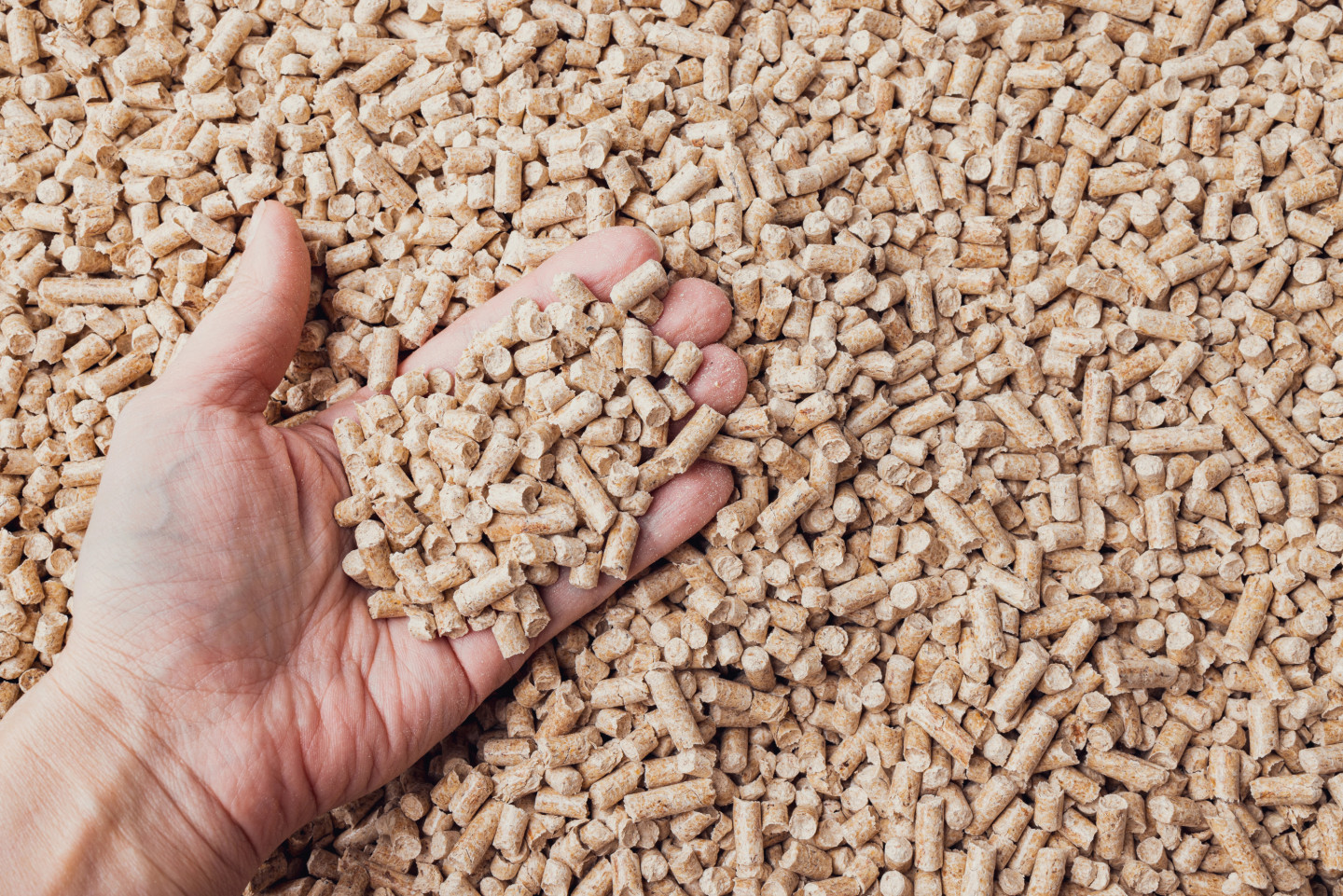
Polish demand draws pellets from Latvia
Latvia’s wood pellet market is tightening ahead of the heating season as strong demand from Poland draws supply away from domestic buyers. According to nra.lv, pellet availability in Latvia is declining and prices are rising rapidly, even though the country is one of Europe’s largest producers.
The main pressure comes from Poland, where the government is widely supporting a shift from coal heating to pellet boilers, 360TV Ziņas reported. That policy is creating an attractive market for Latvian producers and intensifying competition between export customers and households at home.
The situation affects about 40,000 Latvian households that use pellets for heating. Their seasonal requirement is approximately 350,000 tonnes, while Latvia produces about five times that volume annually. The issue is therefore not a lack of national production capacity in aggregate, but how much output reaches the domestic market at the required time and price.
Ministers divided over possible intervention
Climate and Energy Minister Jānis Vitenbergs has called on producers to reach an agreement that would make the domestic market a priority. He said regulatory measures could follow if producers do not cooperate and conditions fail to improve. One option under consideration would require each producer to sell a specified share of its pellets in Latvia.
Economics Minister Viktors Valainis has taken a different position. He argues that pellet exports are part of the free market and that the state should not restrict companies’ ability to sell abroad. In his view, exports generate benefits for both businesses and the national budget.
Pellet manufacturers and industry representatives also oppose market intervention. They warn that export restrictions could cause financial losses and potentially lead companies to seek compensation from the state. Any mandatory domestic allocation would therefore have to balance household energy security against existing commercial commitments and producers’ access to higher-priced foreign demand.
Raw-material costs add to price pressure
Export demand is not the only factor lifting prices. Raw materials have become approximately 20% more expensive, according to the source report. This raises production costs regardless of whether pellets are sold in Latvia or Poland and limits the extent to which domestic prioritization alone could reduce retail prices.
Vitenbergs plans talks with state forestry company AS Latvijas valsts meži about improving access to technological wood chips and expanding pellet production capacity. Didzis Palejs, chairman of the Latvian Biomass Association LATbio, questioned that approach. He said premium pellets are made from sawdust and planer shavings supplied by wood-processing companies, rather than material available from Latvijas valsts meži, making the proposed solution impractical for that segment.
Producers maintain that there will be enough pellets for all consumers. They expect prices to fall once the current buying rush subsides, and industry forecasts indicate that pellets could even be cheaper in winter than they are now. The immediate risk for Latvian households is therefore concentrated in short-term availability and elevated purchasing costs, while the policy dispute centers on whether voluntary supply commitments will be sufficient to keep locally produced fuel within reach of domestic consumers.