Polish hard coal mining raises productivity as workforce and costs decline
Poland’s hard coal sector reduced its first-half net loss to PLN 2.54 billion as costs, employment and debt declined. Output rose to 21.15 million tonnes, lifting productivity to 301.3 tonnes per employee, although the industry remained unprofitable.
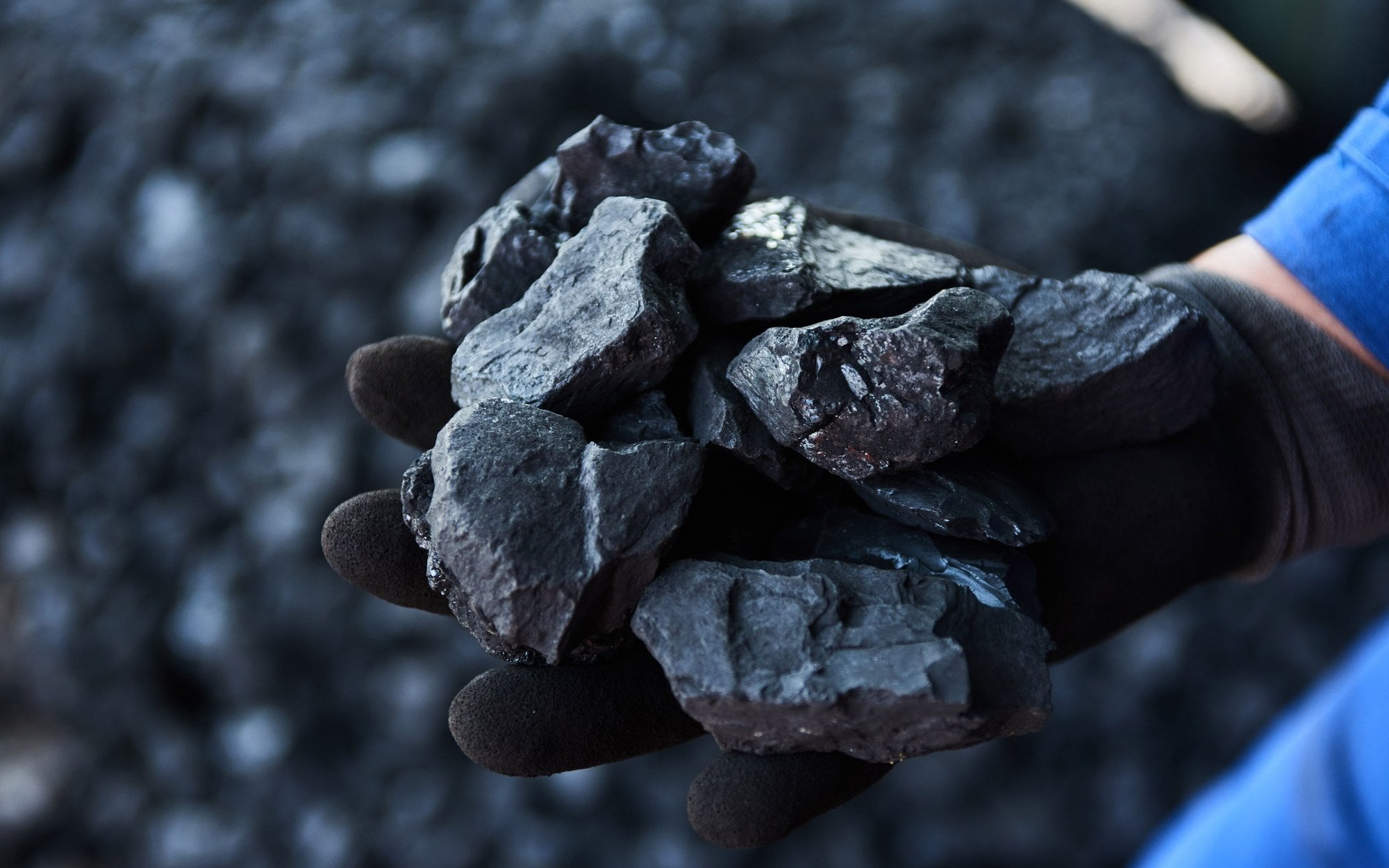
First-half loss narrows as costs fall
Poland’s hard coal mining sector remained in the red in the first half of 2026, but lower costs and a smaller workforce improved its operating indicators. According to data from the Industrial Development Agency reported by energia.rp.pl, the industry recorded a net loss of PLN 2.54 billion on revenue of PLN 16.7 billion during the first six months. Total costs were close to PLN 19.3 billion.
The figures improved from the same period of 2025, when the net loss exceeded PLN 4 billion, revenue stood at about PLN 16.85 billion and costs approached PLN 21.3 billion. Industry debt also eased, although only marginally, from PLN 3.15 billion at the end of June 2025 to slightly more than PLN 3 billion a year later. Revenue was broadly stable, making the reduction in expenditure the main driver of the narrower loss.
Fewer workers and higher output lift efficiency
Labor productivity rose from 283.5 tonnes per employee in the first half of 2025 to 301.3 tonnes in the corresponding period of 2026. Employment fell from 72,500 people in June 2025 to 66,400 in June 2026, while hard coal production increased from 20.4 million tonnes to 21.15 million tonnes. The combination of fewer employees and moderately higher extraction directly improved output per worker.
Current coal production costs declined from PLN 955 per tonne of coal equivalent in the first six months of 2025 to PLN 827.6 in 2026. Labor costs fell more sharply, from PLN 455 to PLN 374 per tonne of coal equivalent. Jastrzębska Spółka Węglowa told energia.rp.pl that its productivity gains reflected restructuring, changes in work organization and operational measures in extraction. Południowy Koncern Węglowy likewise attributed its improvement to higher production and lower average employment.
Further workforce reductions are planned
Jerzy Markowski, a former deputy industry minister and mining expert, cautioned that the productivity increase was partly mathematical: employment dropped by almost 10%, while production changed only modestly. He also linked the improvement to a more restrained position among trade unions and to reduced political pressure on mining-sector spending.
Further departures are expected at Poland’s two largest mining companies. Polska Grupa Górnicza estimates that it will reduce employment by about 5,000 people in 2026. More than 3,500 are expected to use voluntary departure programs, with the remainder leaving through retirement and other forms of separation. At JSW, 3,092 employees are expected to take mining leave, while another 1,000 are due to leave under one-off severance arrangements. The first group of more than 1,123 employees departed at the beginning of July.
Profitability remains exposed to coal prices
The industry’s recent record shows that greater efficiency does not guarantee profitability. Polish hard coal mining earned PLN 9.74 billion in 2022 and more than PLN 4.8 billion in 2023, when Russia’s invasion of Ukraine drove an energy-market crisis. After fuel, coal and gas markets stabilized and coal prices declined, the sector posted a loss of more than PLN 13.74 billion in 2024. The loss narrowed to about PLN 10.9 billion in 2025.
The first-half results indicate that restructuring is lowering the cost base and allowing production to rise with fewer employees. However, the sector still spent substantially more than it generated in revenue. Planned workforce reductions could produce further efficiency gains, but future results will also depend on output levels, coal prices and the companies’ ability to keep operating and labor costs under control.