Polish Cheese Prices Fall as Milk Surplus Builds Stocks and Whey Values Rise
Polish cheese prices have declined amid excess milk supplies, rising production and competition from low-cost imports. Stronger whey values are supporting processor returns and helping sustain cheese output despite pressure on the main product.
Milk surplus pushes more volume into cheese
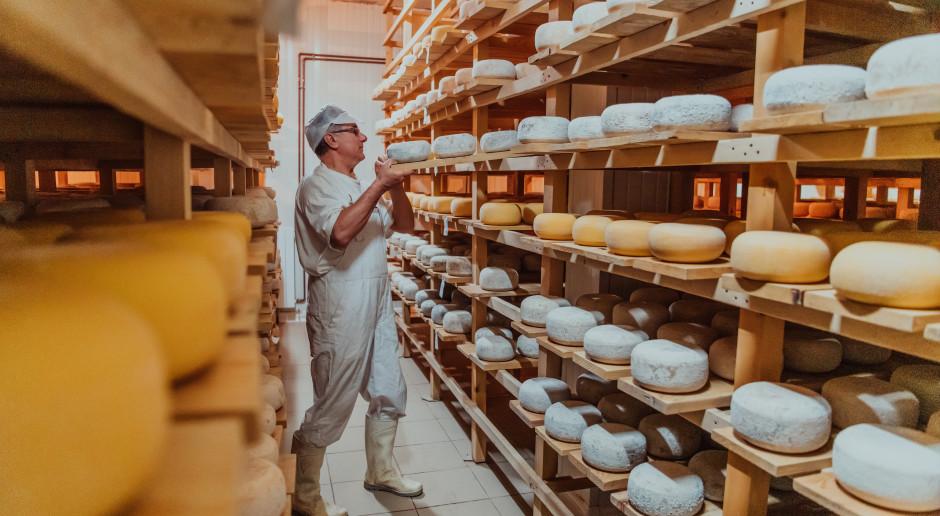
Polish cheese prices have been declining regularly since the autumn of the previous year as an extended surplus of milk has encouraged processors to increase cheese production and accumulate inventories, according to Polish food industry publication Portal Spożywczy.
The downturn began alongside a period of excess milk supply and low prices for milk powders. President Minarczuk, cited by the publication, said cheese plants deliberately directed larger quantities of raw milk into cheese because it can be stored safely for several months while producers wait for market conditions to improve.
That strategy provided processors with an outlet for milk that could not generate attractive returns in other product categories. However, it also increased the amount of cheese held in storage and added pressure to domestic prices. The result is a market in which processors can manage short-term raw material surpluses but face growing exposure to inventory levels and the timing of any recovery in cheese demand.
Poland is the European Union’s fifth-largest cheese producer, behind Germany, France, Italy and the Netherlands, Portal Spożywczy reported. Its scale means sustained production growth can have consequences beyond individual plants, particularly when additional output enters a market already affected by weak pricing.
Production continued to expand in 2025
Polish cheese production remained on an upward path in 2025. Output of ripened rennet cheeses reached 416,600 tonnes, an increase of 3.3% from 2024, according to data cited by Portal Spożywczy. Production of curd cheeses rose by 3.8% year on year to 574,800 tonnes.
The increases show that falling cheese prices did not immediately translate into lower factory output. Instead, processors continued converting milk into products with a longer storage life. This approach can protect milk intake and plant utilisation during a period of oversupply, but it may also delay market rebalancing if stocks continue to build faster than sales.
Summer heat offered plants some relief by reducing milk production, according to Minarczuk. Lower raw milk availability should naturally support milk prices, he said. Whether that seasonal reduction is sufficient to tighten the cheese market will depend on the size of accumulated inventories and the pace at which domestic and external buyers absorb them.
Low-cost imports add to domestic price pressure
Imported cheese is another source of pressure. Minarczuk said very cheap cheese entering Poland was directly contributing to lower domestic prices, while characterising the imported products as relatively low quality. The source did not identify supplying countries, import volumes or transaction prices.
For Polish manufacturers, competition from lower-priced imports creates a difficult combination: higher domestic output, stored inventory and limited room to raise selling prices. Producers with a stronger product mix, established customers or greater capacity to hold stock may be better placed to manage the downturn. Plants relying heavily on commodity cheese sales are more exposed to continued price weakness.
Whey provides a counterweight
Whey prices are moving in the opposite direction. Portal Spożywczy reported that whey values have been rising regularly, providing cheese plants with an additional source of profit. Minarczuk said this return helped prevent cheese production from declining even as cheese itself became cheaper.
Global use of whey remains high, and Minarczuk expects demand and prices to continue rising. That makes the by-product increasingly important to processor economics. A plant’s result is therefore determined not only by the selling price of cheese but also by how effectively it can process and market the whey generated alongside it.
The divergence creates an unusual production incentive. Weak cheese prices would normally encourage output cuts, but profitable whey can offset part of the pressure and keep milk flowing through cheese plants. For producers and investors, the key indicators are now cheese inventories, milk supply, import competition and the durability of whey demand. A sustained reduction in milk availability could help the cheese market rebalance, while continued production growth supported by whey revenue could prolong the pressure on cheese prices.